
What If Bigger Isn’t Better?
We've been sold a pretty narrow definition of business success.
More customers. More revenue. More employees. More locations. Grow. Scale. Expand. Repeat.
But here's a question we don't ask nearly enough: What if the goal isn't to build a bigger business, but to build a better life?
Access Changes What Is Possible
Talent is everywhere.
Opportunity is not.
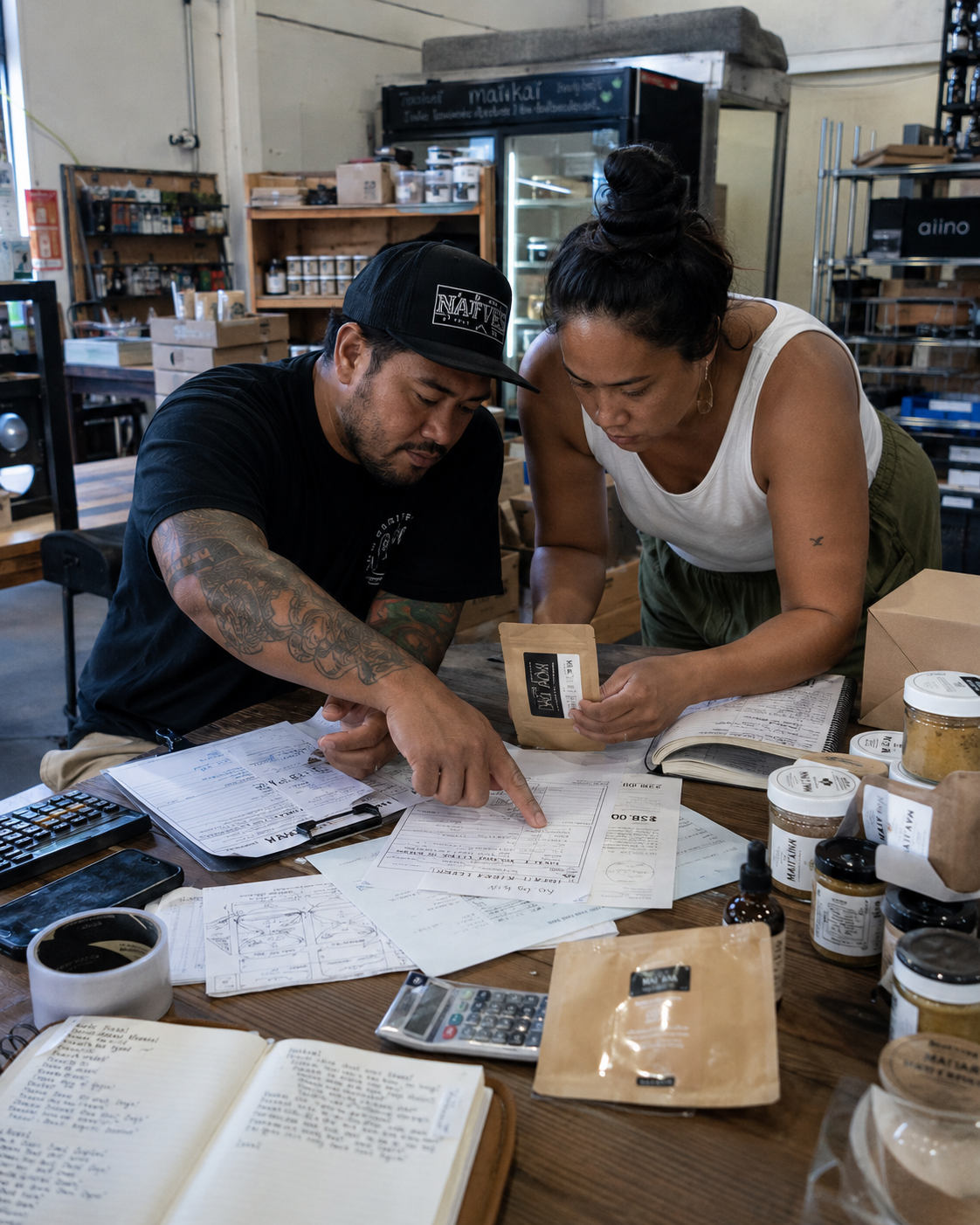
Across Hawaiʻi, there are small business owners, nonprofit leaders, fund development professionals, and community builders with strong ideas, deep commitment, and a clear understanding of the people they serve.
What they may not always have is equal access to the tools that help good work become sustainable.
Because You Spoke:
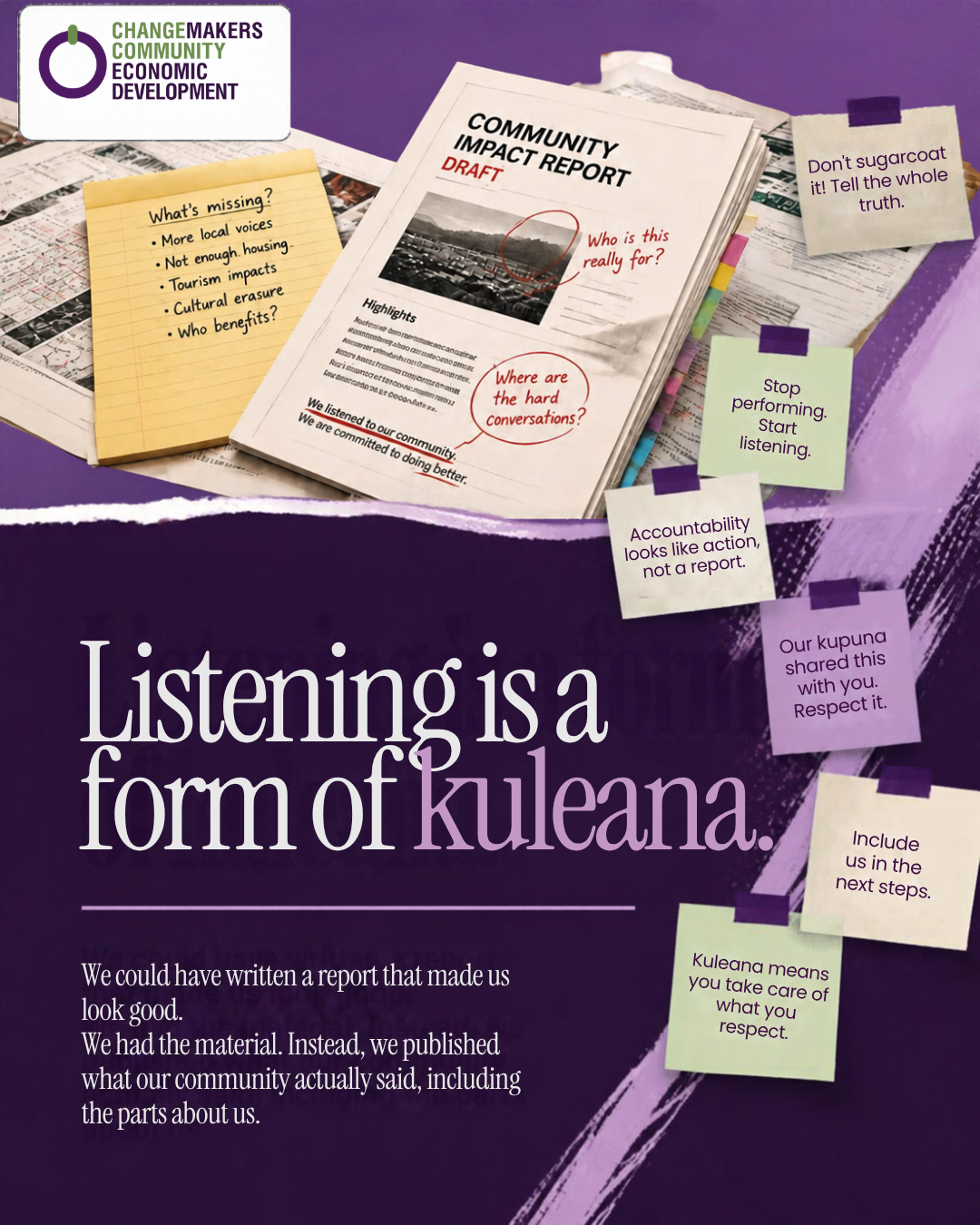
We asked our community to speak. They did. Plainly, without softening it, and we are not going to soften it back.
This is the record. Ten things our community told us about trust, about pathways, about the system itself.
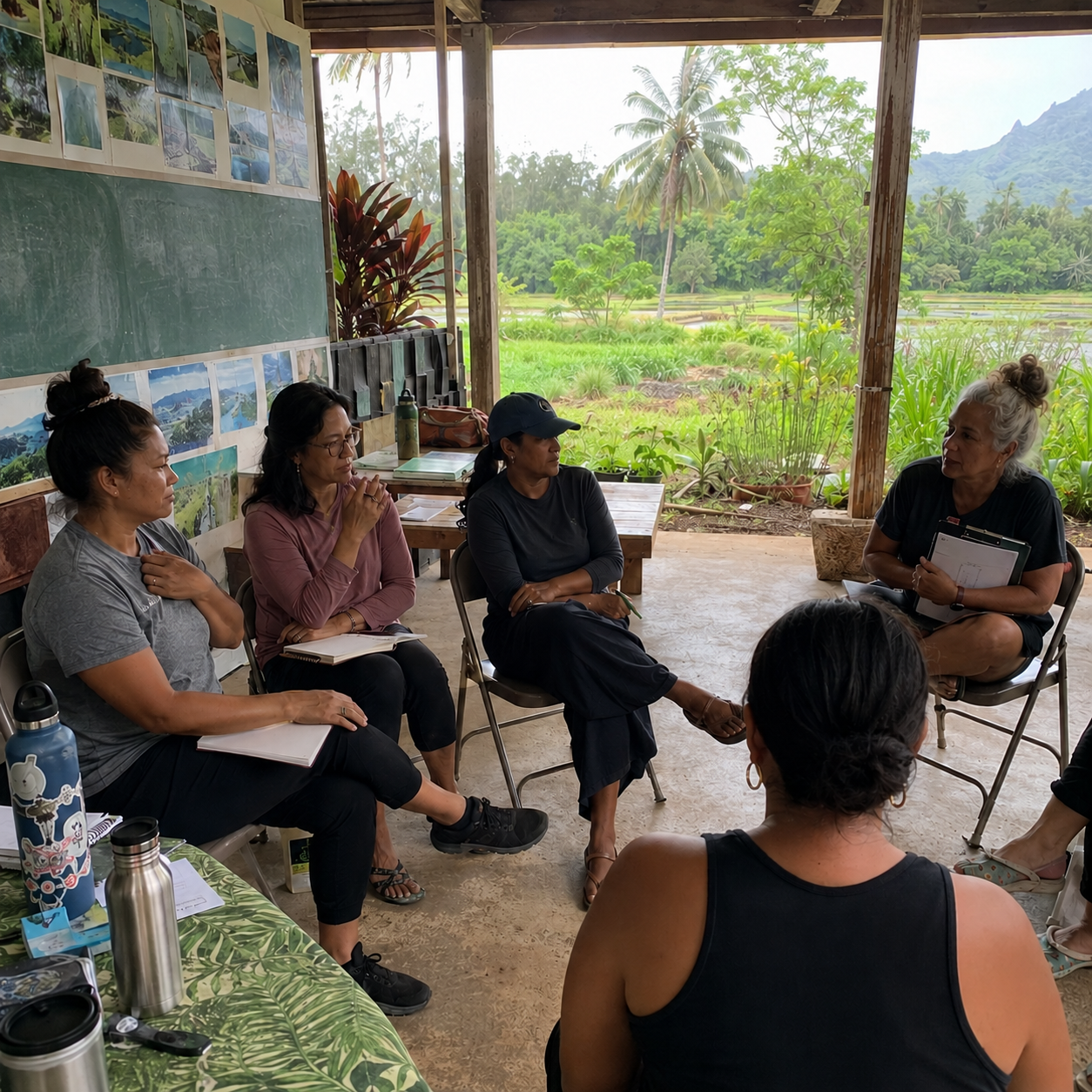
From Good Intentions to Meaningful Impact
Most people who enter community work want to help.
That matters.
But good intentions alone do not guarantee good outcomes.
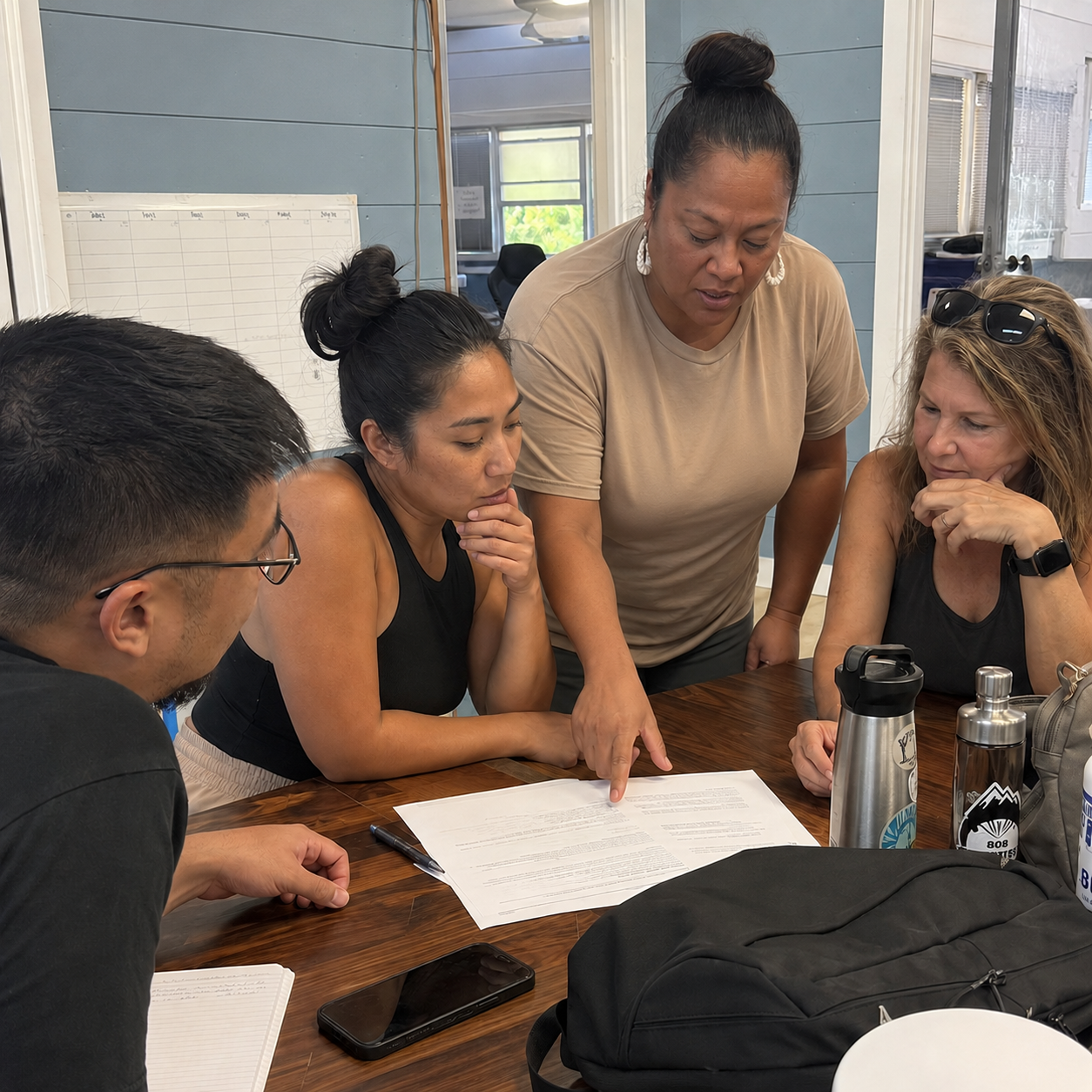
Listening Is Leadership
Leadership is often associated with speaking. But some of the strongest leaders do something else exceptionally well.

What Does It Mean to Be a Changemaker?
Changemakers aren't defined by titles. Discover how everyday actions, leadership, and community participation can create meaningful change.
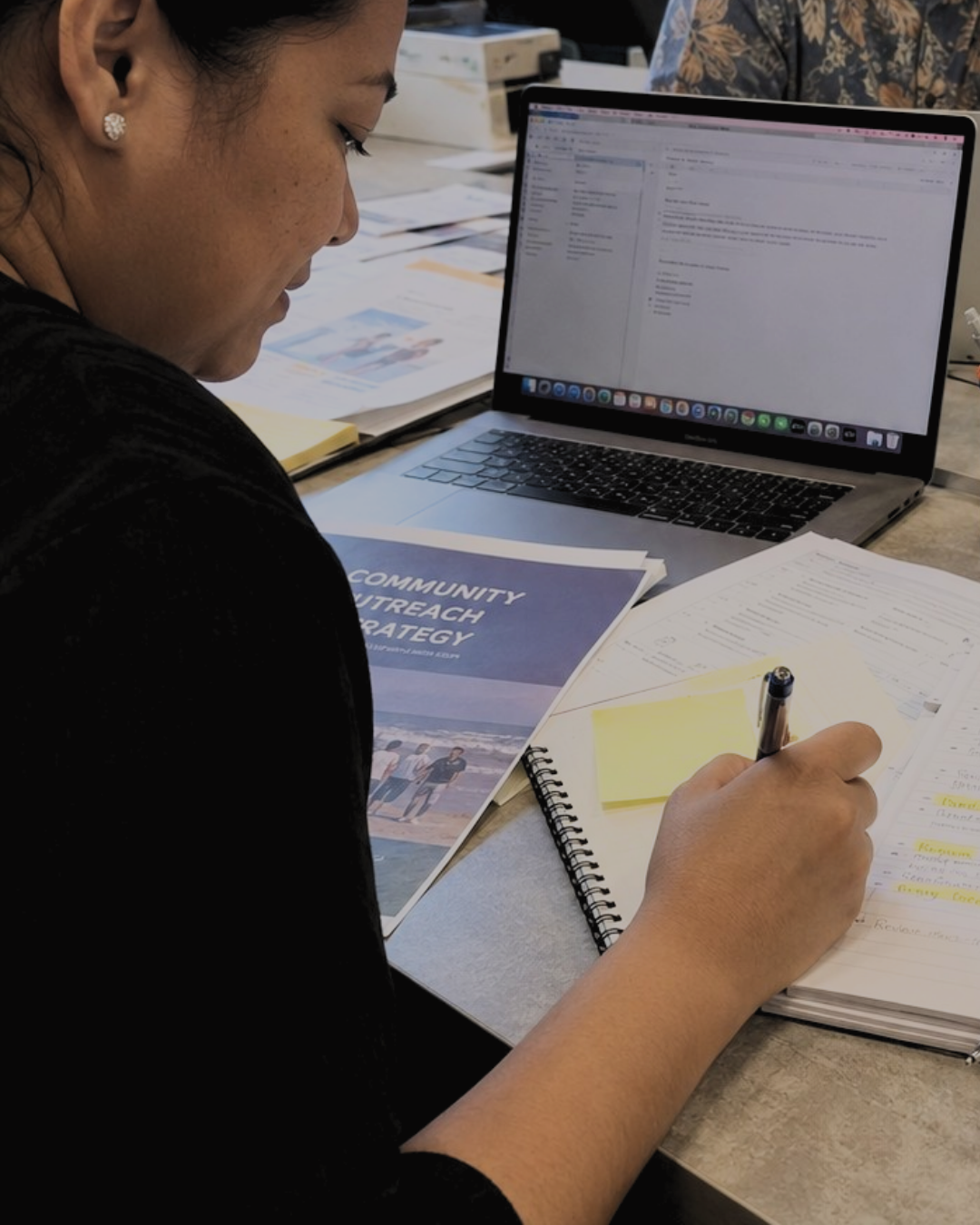
The Work Behind the Work
Meaningful community change starts with trust, listening, and relationships. Explore why strong connections are the foundation of lasting impact.
The Knowledge We’re Missing.
See why community manaʻo, ʻike, participatory research, and lived experience are essential to building a stronger, more equitable food system on Hawaiʻi Island.

Growing Food Isn't Enough.
Growing more food is only part of the solution. Learn how processing, cold storage, transportation, distribution, and procurement affect Hawaiʻi Island food security.

When Food Is Here but Still Out of Reach:
Hawaiʻi Island grows food. We have farmers, ranchers, fishers, food producers, backyard growers, community organizations, food hubs, and families who have fed one another across generations.
But too many people on our island still struggle to get enough nutritious food.
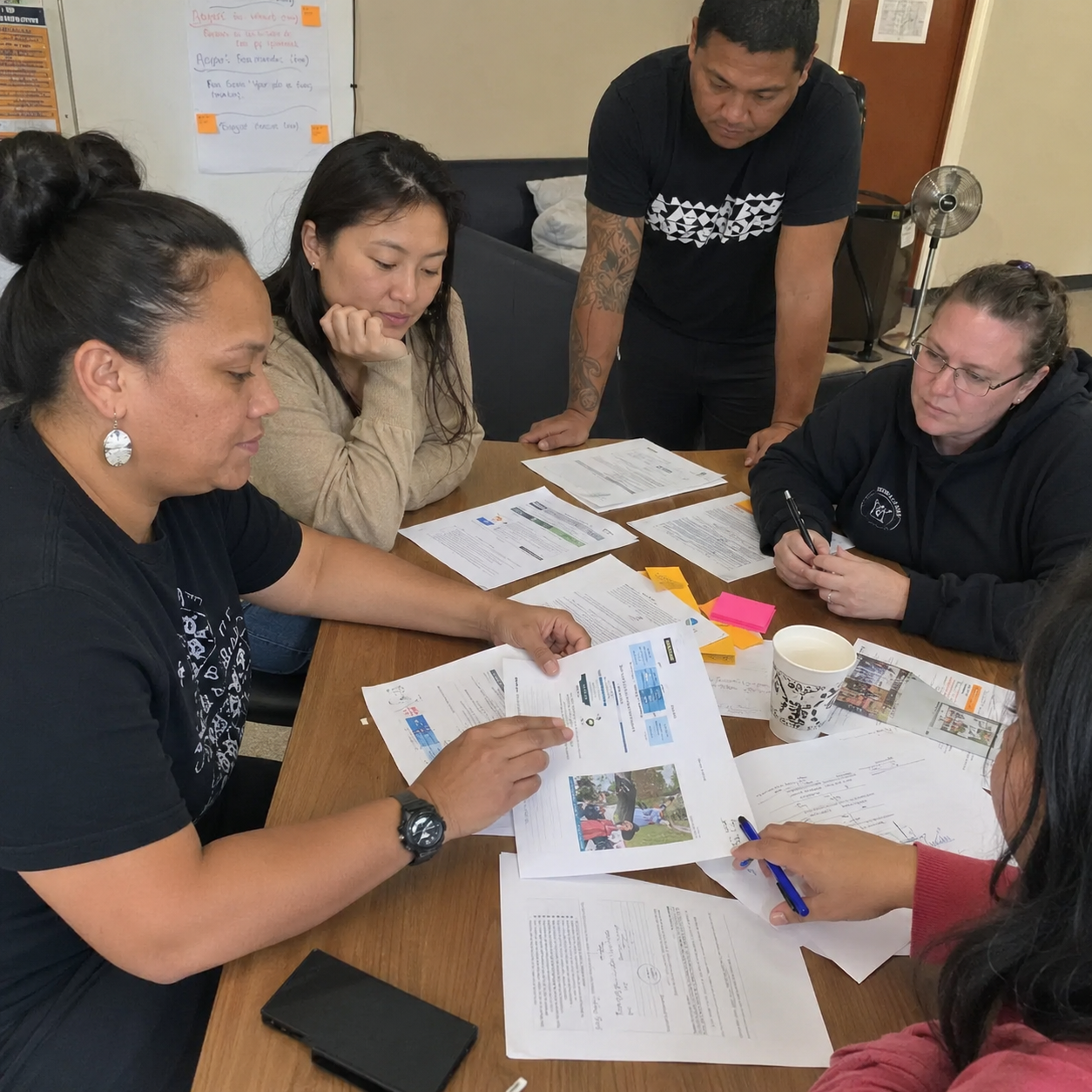
Data Is Never Just Data
Before We Collect the Data, We Need to Ask: Who Is It For? In nonprofit work, data is often treated like a requirement. A funder asks for it. A report…
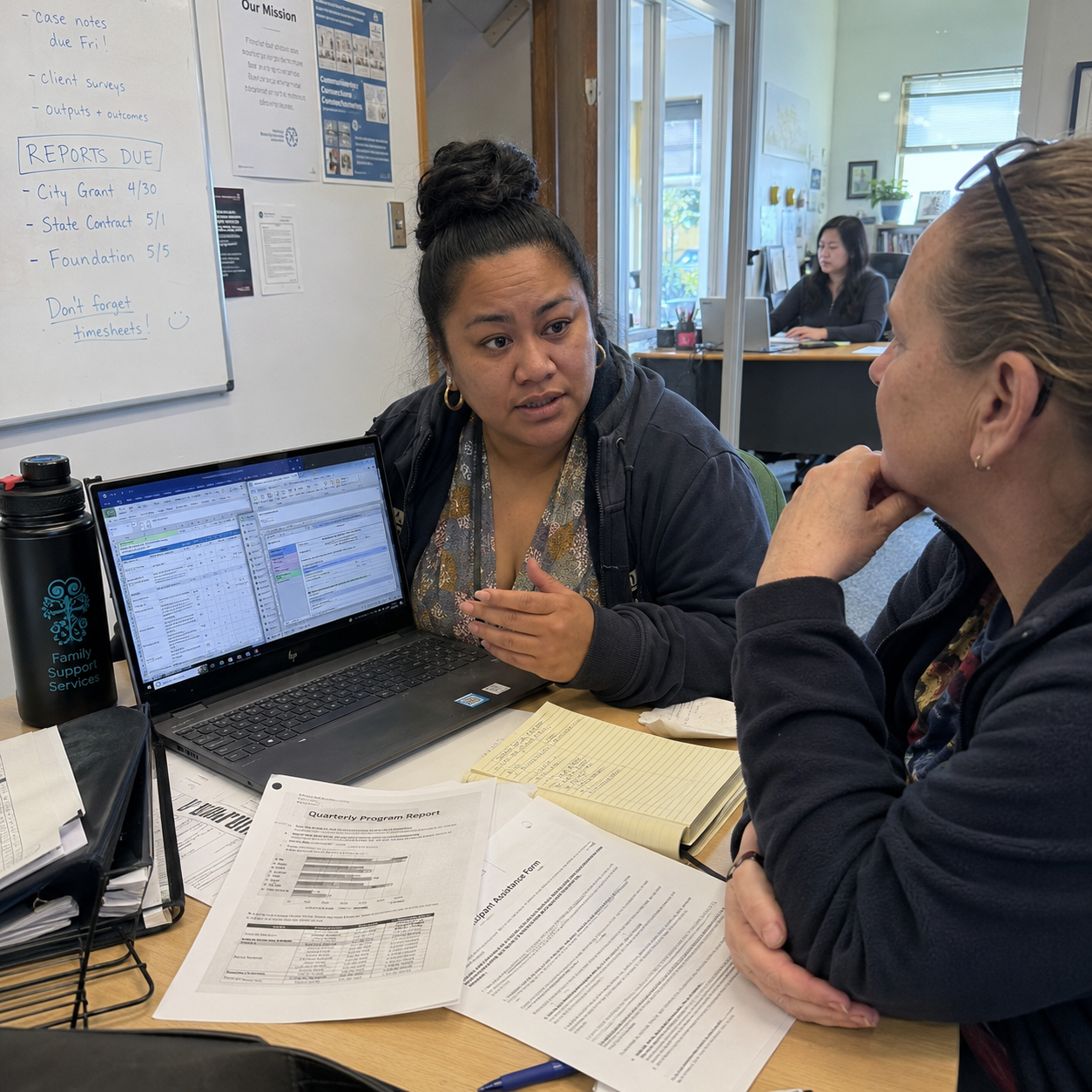
One System,Less Reporting
One funder wants quarterly numbers.
Another wants participant stories.
A third wants outcomes reported in a completely different format.
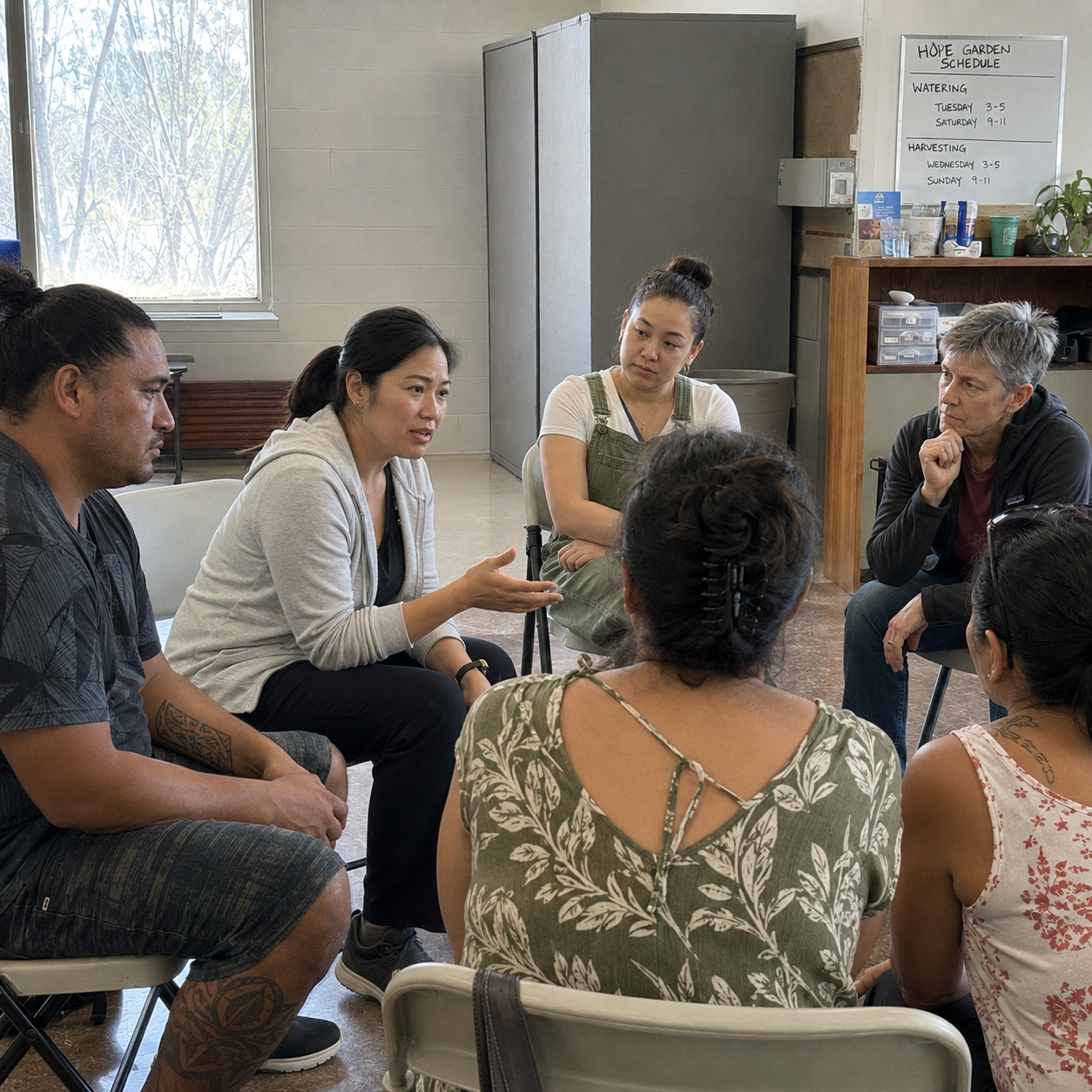
Beyond Funder Metrics
A funder wants numbers.
Your community wants to be heard.
Your staff wants a reporting system they can actually manage.
And you are trying to…
Your Program Goals Are Clear.
You know what your program is trying to accomplish.
But when it is time to turn those goals into an evaluation plan, things can get complicated quickly…
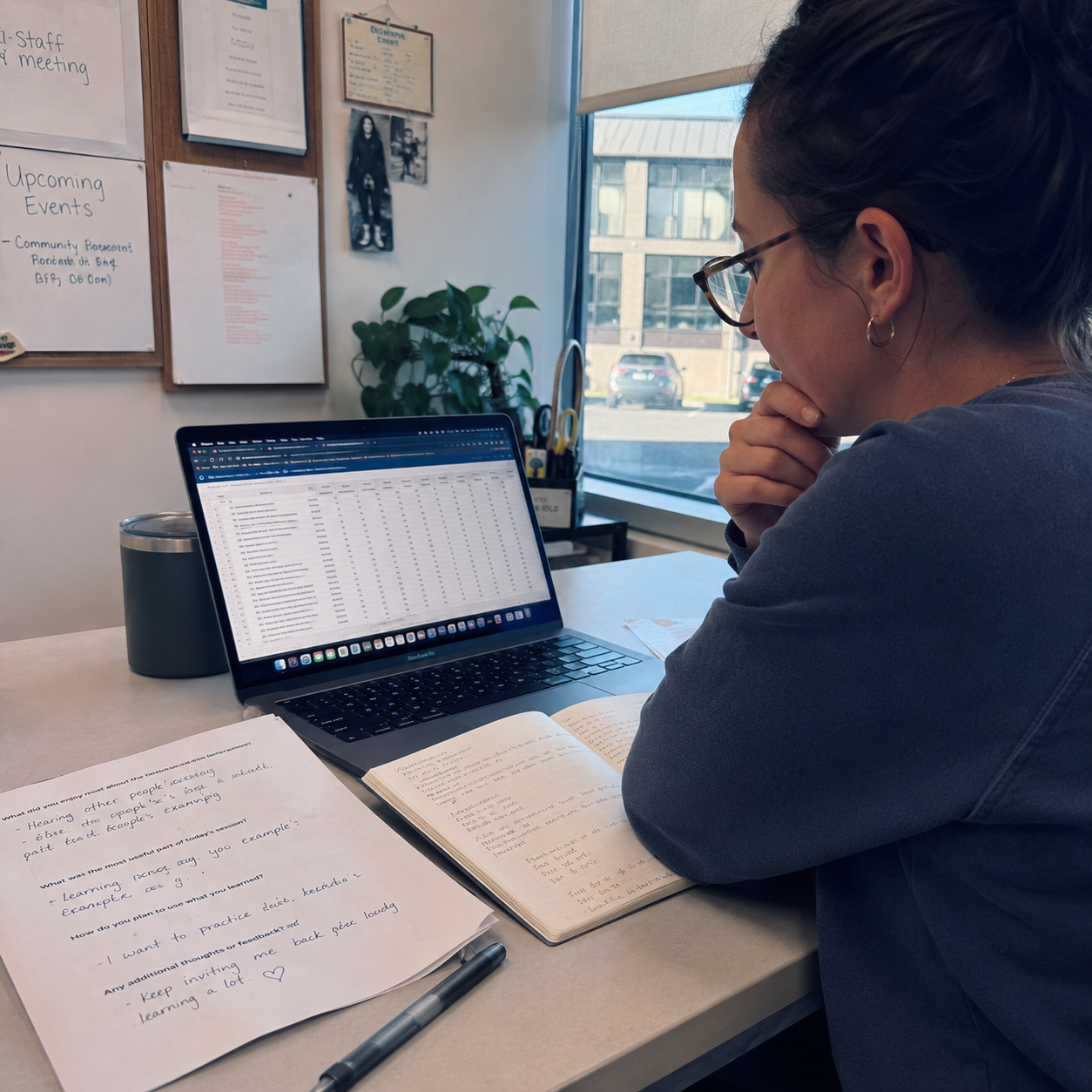
When Data Isn’t Enough
Many nonprofit leaders know this frustration well: You have sign-in sheets. You have surveys. You have spreadsheets. You have grant reports. And yet…
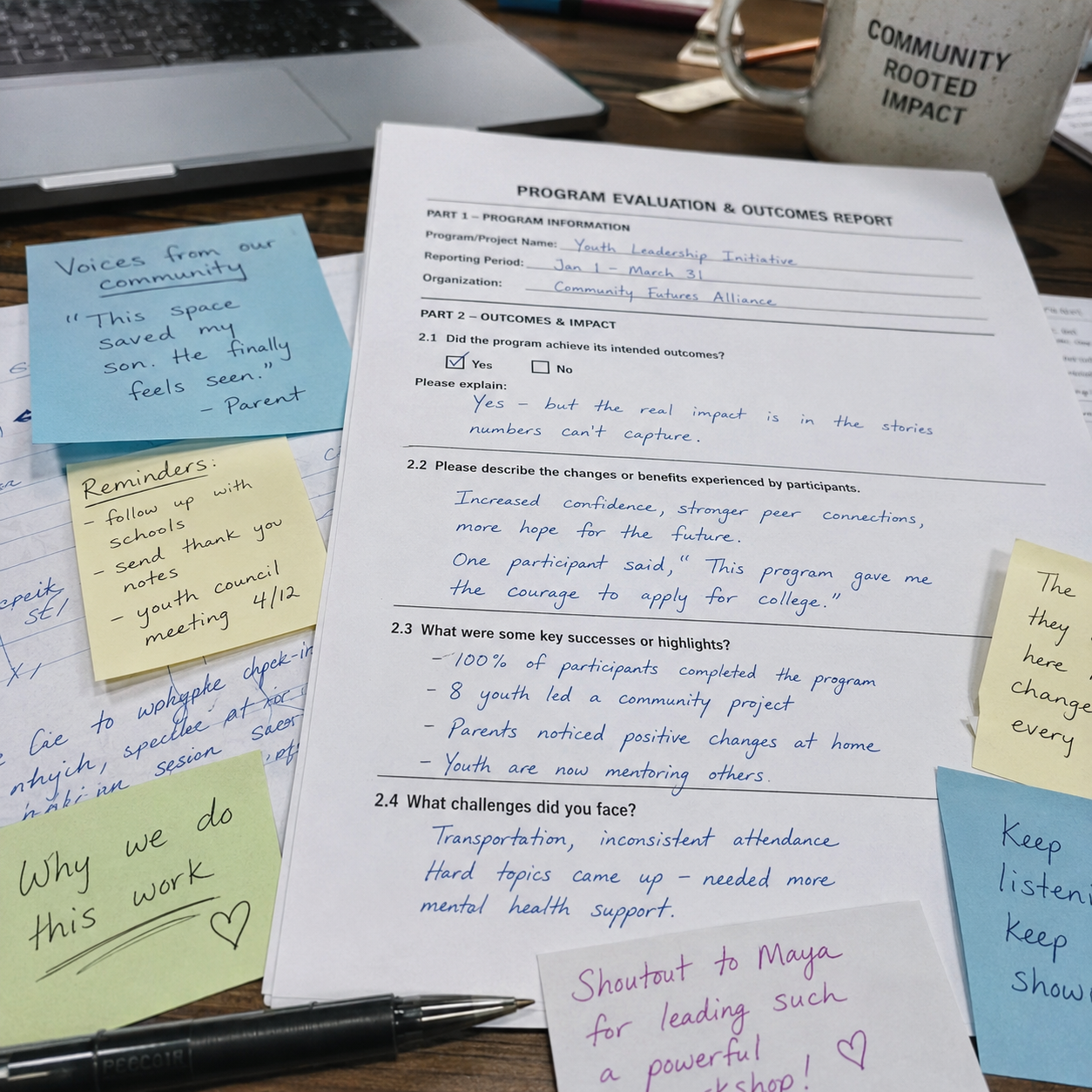
When Evaluation Feels Like a Checkbox
What if evaluation was never meant to be a checkbox? For many nonprofit leaders across Indian Country and the Hawaiian Islands, evaluation brings up a very specific kind of fatigue.
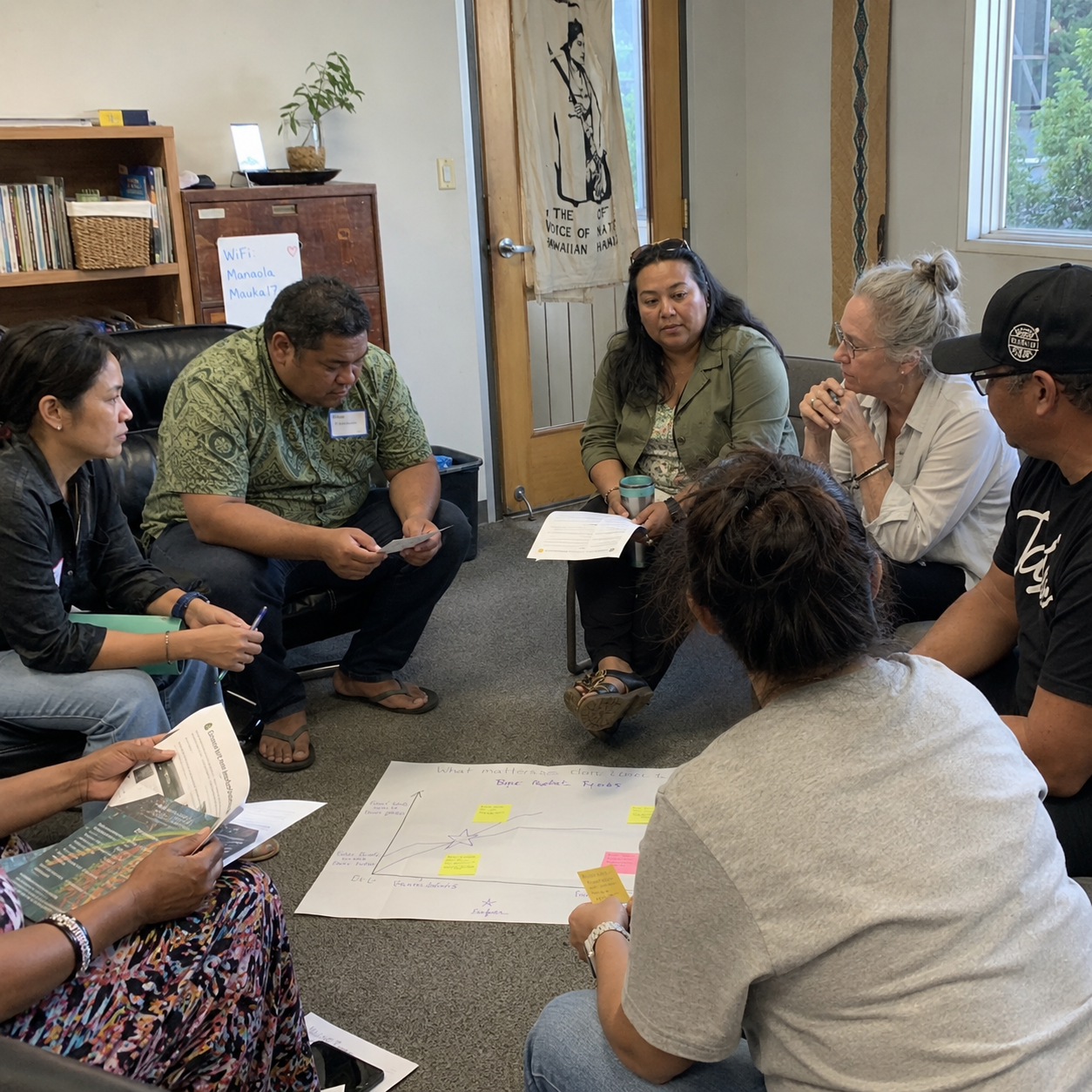
Who Has the Right to Tell Our Story?
Who has the right to tell a community’s story? It is a simple question, but in fundraising, it carries real weight. For many Indigenous and underserved communities, data has too often been collected, interpreted, and reported through systems that were not built by them or for them.
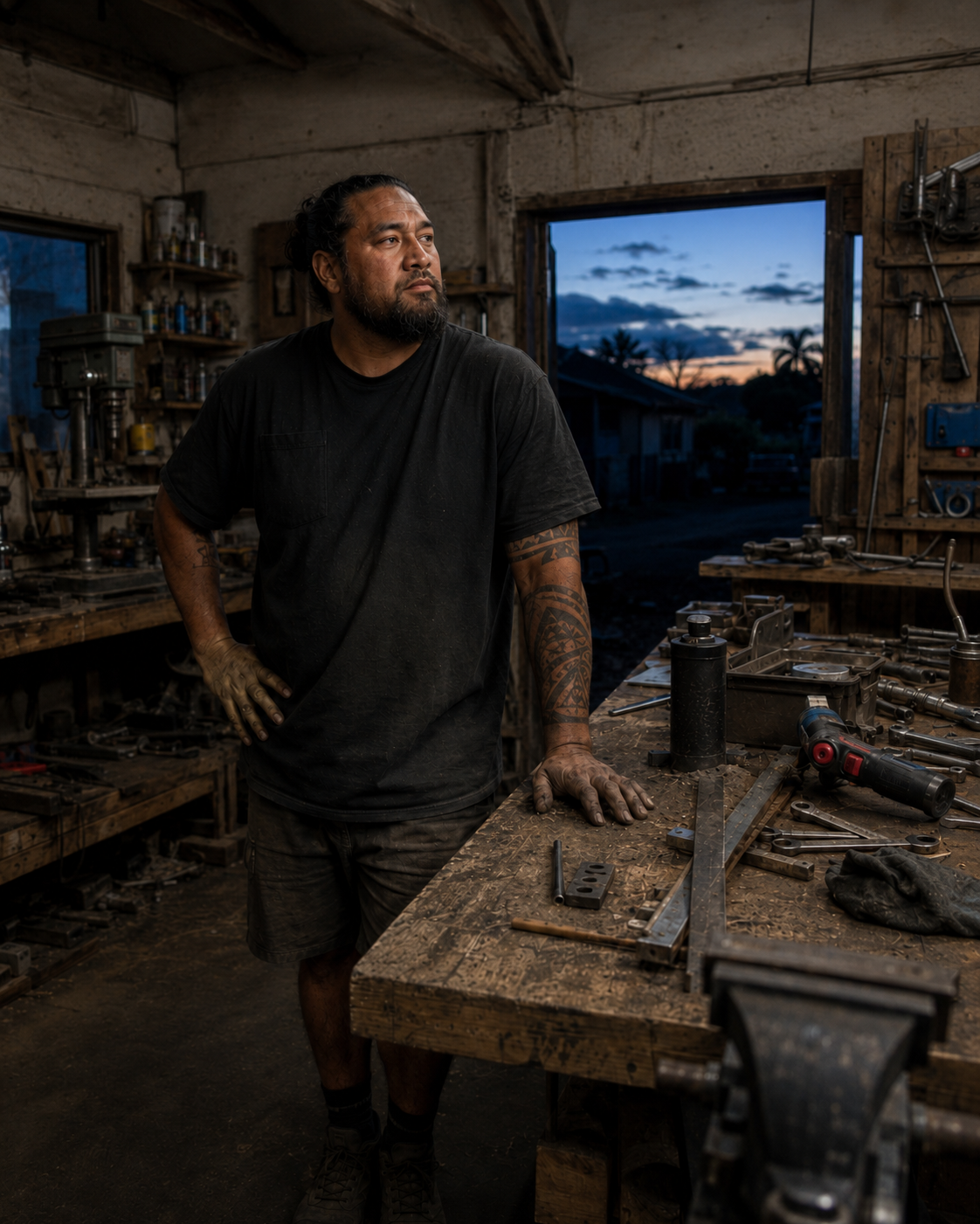
The Lonely Grind
The air in the workshop is thick with sawdust and the metallic scent of a cooling welding iron. Outside, the sun slips behind the mauna, stretching long shadows across the gravel driveway.
You have been here for twelve hours.
Your hands carry the honest grime of your craft.
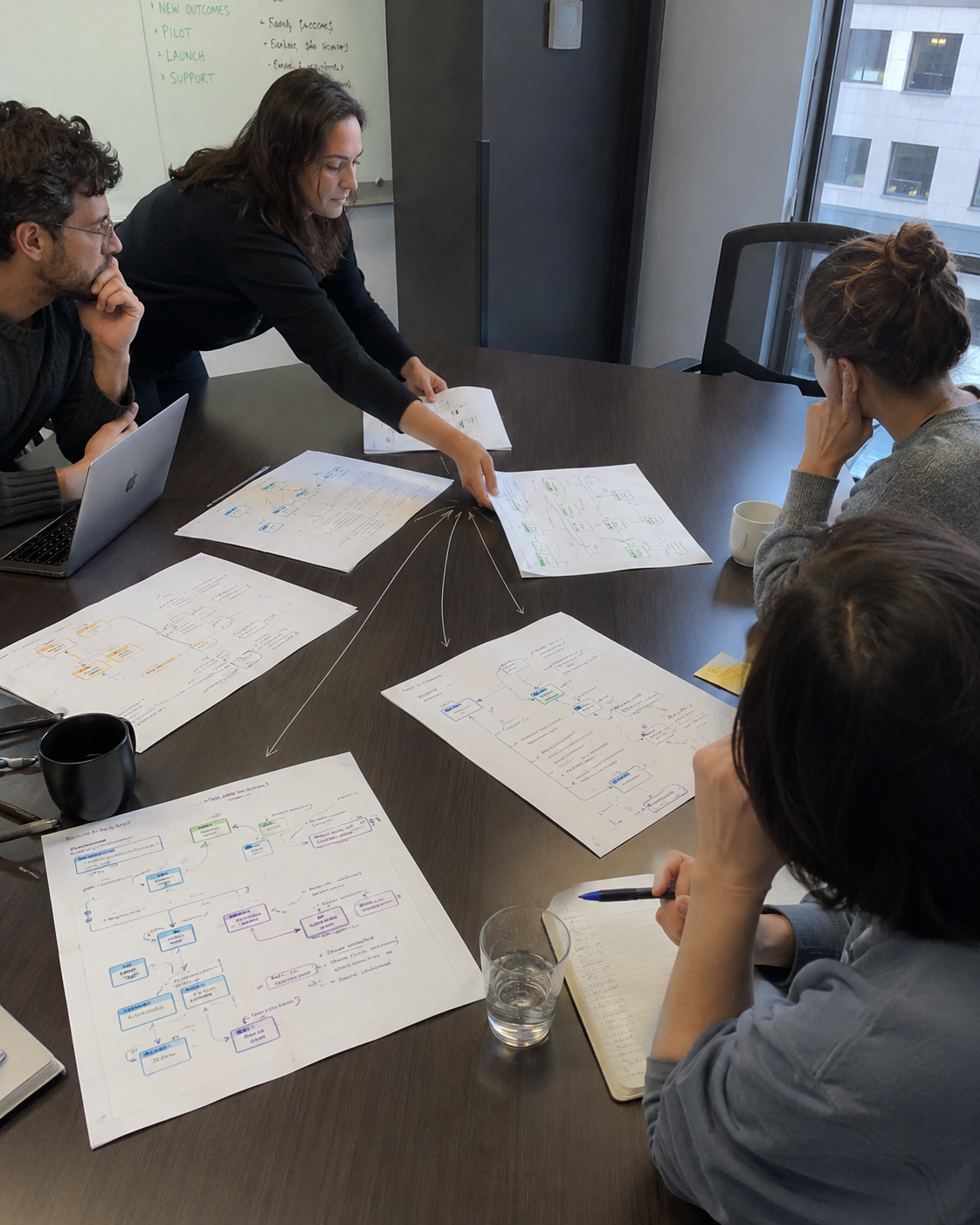
Your Nonprofit Is Growing.
Growth is a good problem to have—until your programs, data, and priorities start pulling in different directions…
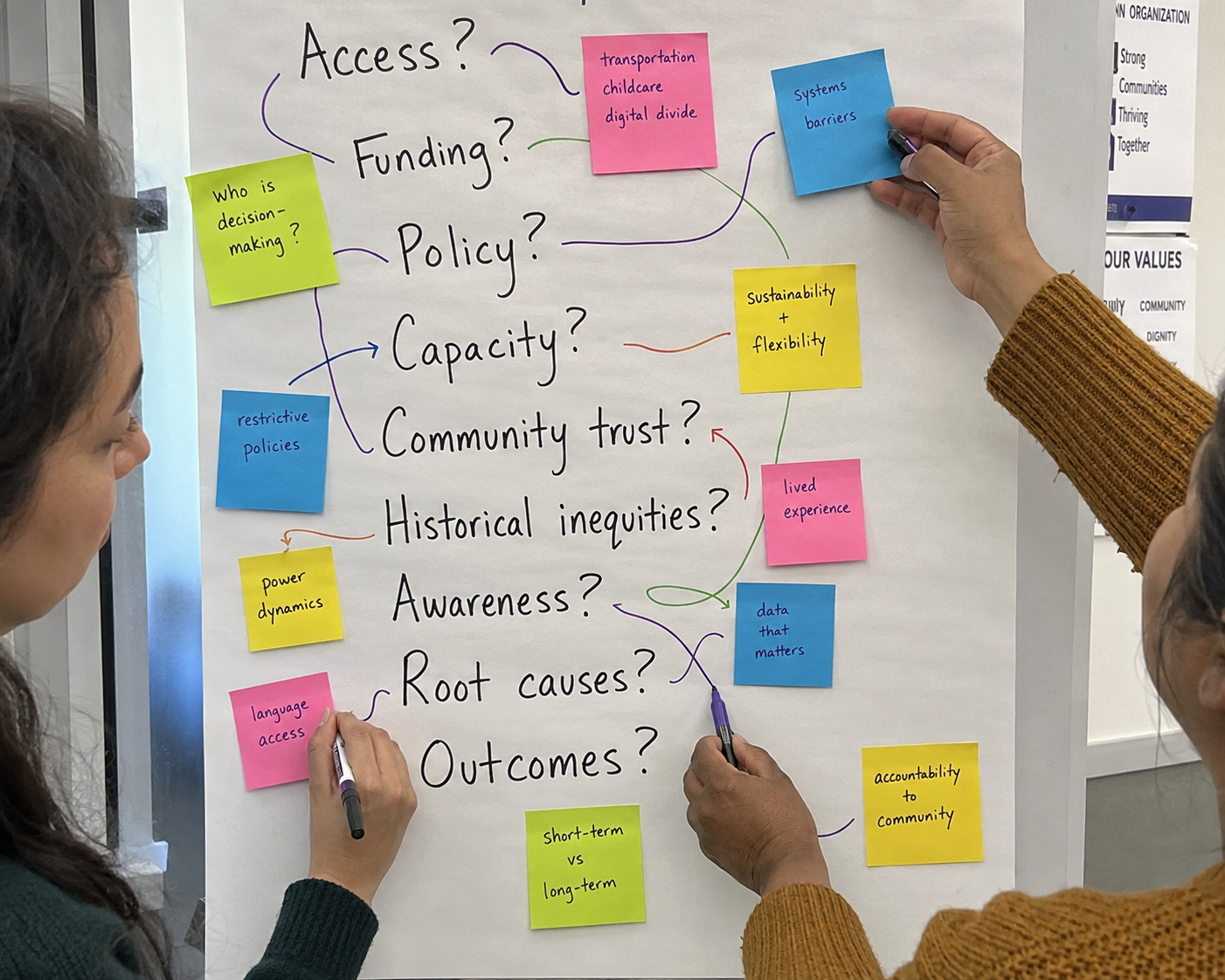
Team is Mission Aligned.
Most nonprofit teams do not struggle because they lack commitment. They struggle because deeply committed people can still be working from different assumptions about what the real problem is.