
Where Community and Capital Meet: The Role of Native CDFIs

Across the United States, access to capital remains one of the most significant barriers to economic development in underserved communities. Community Development Financial Institutions (CDFIs) were created to address these gaps by providing responsible lending and financial services where traditional financial institutions are often absent or difficult to access.
For Native communities, including American Indian, Alaska Native, and Native Hawaiian communities, CDFIs have become an essential tool for expanding economic opportunity and strengthening local economies.
WHAT IS A CDFI?
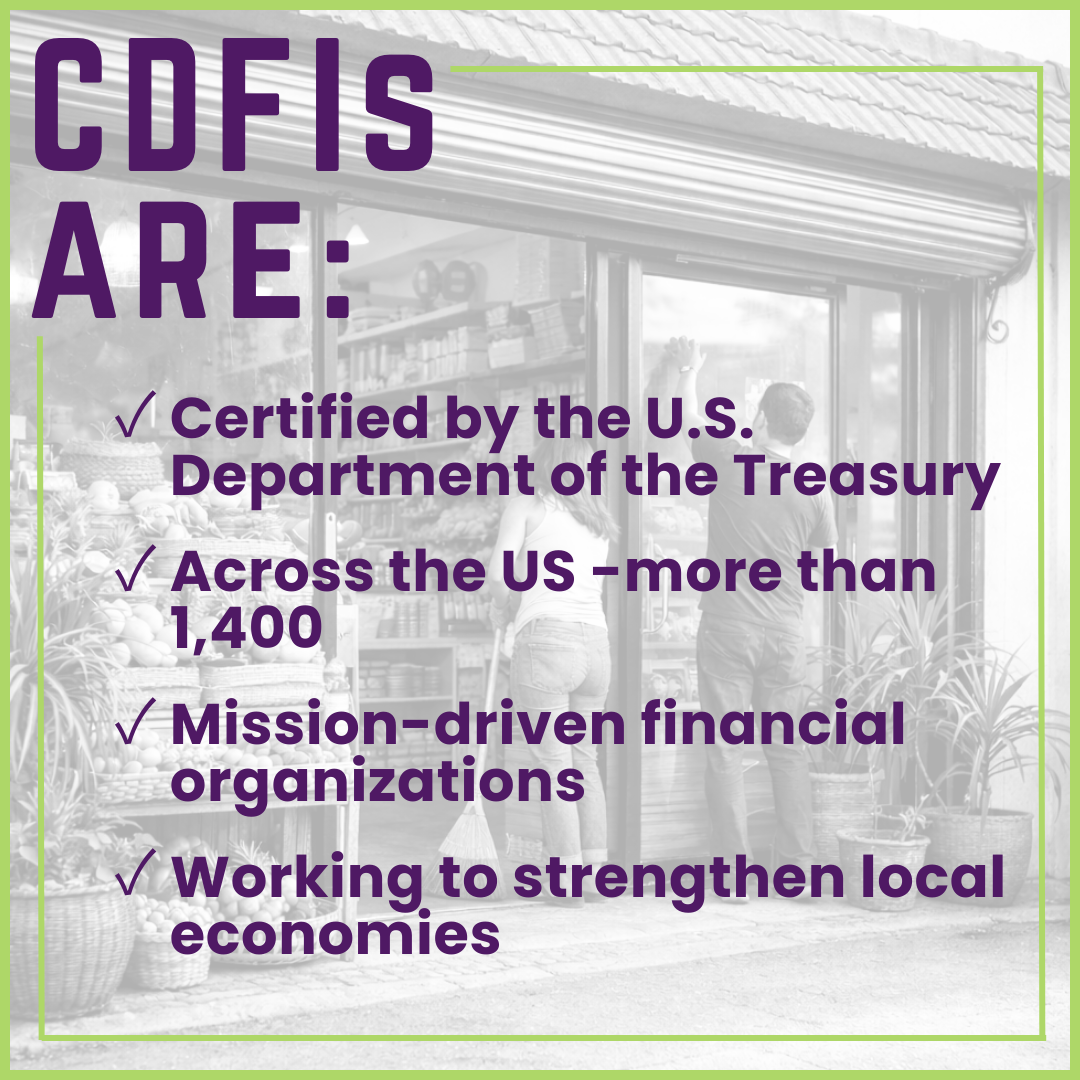
Community Development Financial Institutions are mission-driven financial organizations that provide loans, financial services, and development support to underserved communities. CDFIs may operate as loan funds, banks, credit unions, or venture capital funds focused on community development.
These institutions are certified by the U.S. Department of the Treasury’s CDFI Fund, which supports organizations that expand access to capital in communities that have historically been excluded from traditional financial systems.
Across the United States, more than 1,400 certified CDFIs work to strengthen local economies through lending, financial education, and investment in community development initiatives.
CDFIs commonly support:
Small business development
Affordable housing and homeownership
Community facilities and infrastructure
Financial education and credit building
By combining access to capital with technical assistance, CDFIs help entrepreneurs and families build long-term financial stability.
NATIVE CDFIS AND ECONOMIC SELF-DETERMINATION
Native CDFIs are a specialized group of CDFIs that primarily serve Native populations. These institutions work in Tribal communities, Alaska Native villages, and Native Hawaiian communities to provide culturally grounded financial services that reflect the realities of Native economies.
To qualify as a Native CDFI, at least 50 percent of an institution’s activities must benefit Native communities, including American Indians, Alaska Natives, or Native Hawaiians.
Today, more than 60 certified Native CDFIs and dozens of emerging Native CDFIs operate across the United States, helping expand access to capital and financial education in Native communities.
Many Native communities face limited access to traditional banking institutions due to geographic isolation and long-standing economic disparities. Native CDFIs help bridge this gap by offering flexible lending programs and culturally informed financial education.
NATIVE HAWAIIAN CDFIS AND COMMUNITY LENDING
Native Hawaiian communities have also developed community-based lending organizations that help expand access to capital and support local entrepreneurship.
One example is Pākini Loan Fund, a Native Hawaiian-led nonprofit loan fund established as an independent 501(c)(3) organization in 2023. The organization grew out of the lending programs of the Waiʻanae Economic Development Council and focuses on supporting Native Hawaiian entrepreneurs and small businesses.
Pākini Loan Fund provides small business loans, typically ranging from $1,000 to $50,000, along with business training and technical assistance. The organization prioritizes serving Native Hawaiian entrepreneurs, particularly those in rural and underserved communities such as the Waiʻanae Coast, while supporting businesses across Hawaiʻi.
Loan repayments are reinvested into the revolving loan fund, allowing capital to support additional entrepreneurs over time.
Programs like Pākini Loan Fund demonstrate how community-based lending institutions can strengthen local economies while supporting Native Hawaiian entrepreneurship.
BUILDING THE FUTURE OF NATIVE COMMUNITY FINANCE
Across the country, a growing number of organizations are working to strengthen the Native CDFI ecosystem and expand access to capital for Native communities.
Changemakers is one such organization emerging within this field. As an emerging Native CDFI, Changemakers is working to expand pathways to capital, support Native entrepreneurs, and contribute to community-driven economic development.
Changemakers is partnering with the Native CDFI Network, the national organization that advocates for and supports Native CDFIs through policy leadership, capacity building, and collaboration across Native communities.
In June, Changemakers will also be presenting at the Oweesta Native CDFI Conference, a national gathering of Native CDFIs, Tribal leaders, and community development practitioners working to strengthen economic opportunity in Native communities.
STRENGTHENING NATIVE ECONOMIES THROUGH COMMUNITY FINANCE
Access to capital is a foundational component of economic self-determination. Community Development Financial Institutions provide a powerful model for expanding financial opportunity while ensuring investments align with community priorities.
As Native CDFIs continue to grow, they will play an increasingly important role in helping Native communities, including Native Hawaiian communities, build sustainable local economies and support the next generation of Native entrepreneurs.