
Feeding Ourselves
Feeding Ourselves:
How Food Sovereignty Strengthens Community
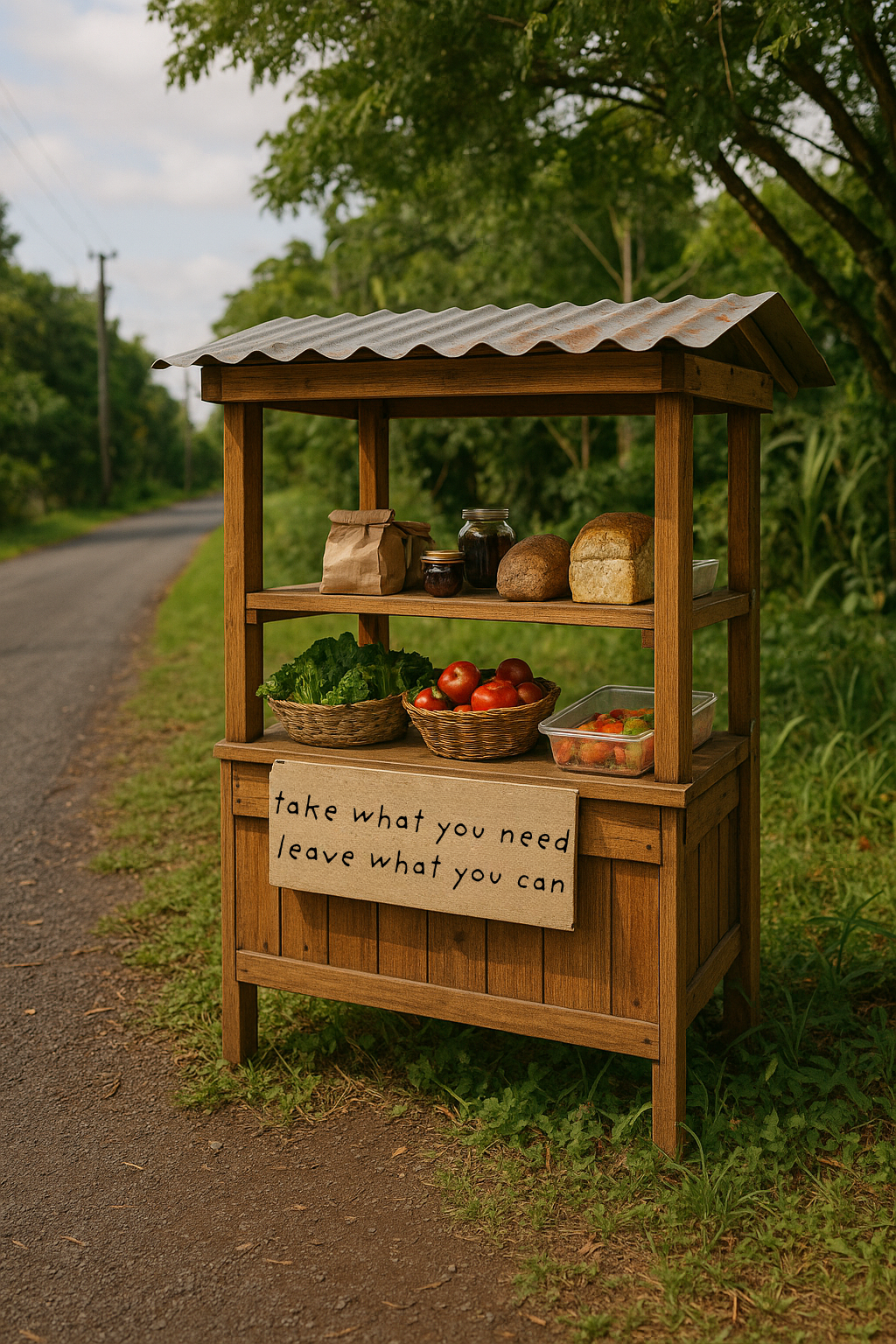
On a quiet stretch of road in Puna, a wooden little booth serves as more than just a food stand; it’s a symbol of community care. These unmanned stands, now popping up across neighborhoods, hold home-baked breads, candies, fresh produce, and lovingly prepared meals.
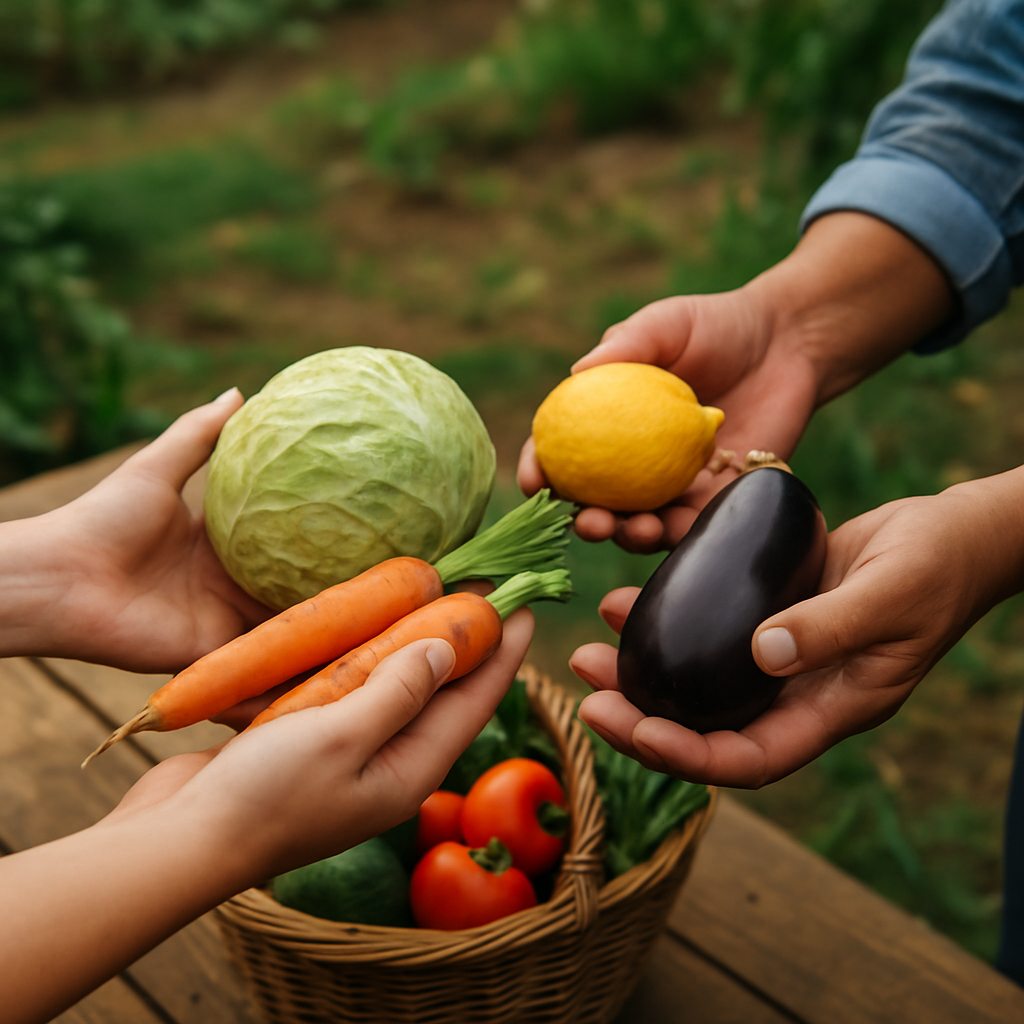
There’s no cash register, just a deep sense of trust. In one Hilo community, neighbors gather weekly to share baskets of freshly picked ‘uala, jars of dried ‘alaea salt, and hand-labeled bags of herbal tea. But it doesn’t stop there.
Each week, folks return not just for food, but to swap stories and recipes, sharing what they cooked with last week’s bounty. It’s a cycle of generosity, learning, and connection, where trust and nourishment grow side by side.
At Changemakers Community Economic Development Corporation, we’ve seen firsthand how reclaiming food systems sparks something powerful: a return to values that center kinship, land, reciprocity, and self-determination. In today’s climate, that return is more necessary than ever.
THE FRAGILITY OF THE CURRENT SYSTEM
Right now, millions of families across the U.S. are navigating rising food insecurity as federal programs falter. Due to the ongoing government shutdown, workers across agencies, many of whom are Native, low-income, or rural, haven’t been paid in weeks. SNAP, the Supplemental Nutrition Assistance Program, is teetering. Some states are already warning residents that November benefits may not arrive. Emergency reserves are drying up, and so is trust in federal safety nets.
In Hawai‘i, families are already turning to food banks in higher numbers. We don’t have to imagine because communities are answering that question themselves with homegrown solutions rooted in culture.
FOOD SOVEREIGNTY IS ECONOMIC DEVELOPMENT
Food sovereignty isn’t new. It’s a return. A remembering. The right of a community to control its own food system, what is grown, how it’s distributed, and who benefits.
For Indigenous communities, food sovereignty also means reconnecting with ancestral agricultural practices, land stewardship, and reciprocal economies. It’s not just about food, it’s about identity and survival.
But here’s what often gets missed: it’s also a real economic strategy.
When a community grows and shares its own food:
It keeps dollars local—supporting Native producers, markets, and food artisans.
It creates enterprise opportunities—from traditional food processing to farmer cooperatives.
It builds resilience—less dependent on volatile external systems.
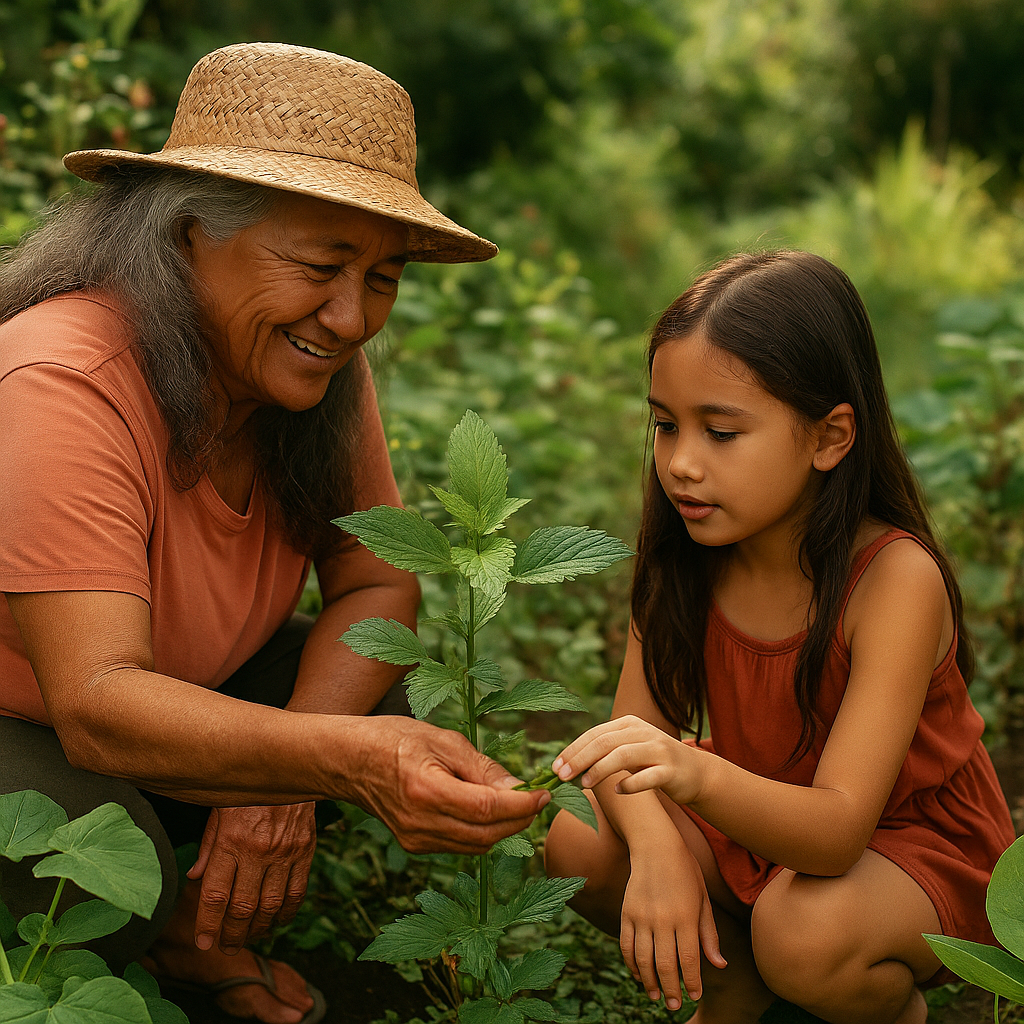
It strengthens networks—between youth and elders, between growers and gatherers.
Take that roadside honor booth: it’s not just generosity. It’s the local micro-economy in action. It’s dignity.
COMMUNITIES LEADING THE WAY
We’ve witnessed incredible models of community-led food systems:
Homegrown pantries in church basements, restocked by neighbors weekly.
Honor stands filled with native produce and herbal medicines.
Seed exchanges where cultural restoration meets food security.
Some communities are building out full-scale food sovereignty infrastructure, including cold storage, community kitchens, and value-added processing for local sales. Others are simply planting more, reviving knowledge, feeding neighbors, one taro patch or citrus tree at a time.
These acts are quiet revolutions.
WHERE CHANGEMAKERS STANDS
At Changemakers, we believe food sovereignty is a cornerstone of community economic development. That’s why we’re working to:
Help fund and scale community-grown food projects.
Support Indigenous food entrepreneurs, from backyard growers to Native-run cooperatives.
Partner with local governments and Tribal Nations to build infrastructure that lasts.
Amplify policy that centers Indigenous self-determination.
Because when we feed ourselves, we free ourselves.
We don’t have to wait for systems to catch up. We don’t have to rely on unstable funding. We have everything we need, skills, knowledge, land, heart, to feed our communities in ways that are sustainable, dignified, and ours.
FINAL THOUGHT
If you’ve ever taken a bag of tomatoes from your auntie’s kitchen, dropped off poi at your neighbor’s door, or helped stock a free fridge, you’re part of this movement.
Let’s grow it together.
If you want to support Indigenous-led food systems that build resilience and opportunity, reach out. We’re looking for partners, funders, and community members ready to invest in our collective future one meal, one garden, one honor booth at a time.