
Funding Food Futures
Funding Food Futures:
Rebuilding Hawaiʻi Island’s Agricultural Infrastructure
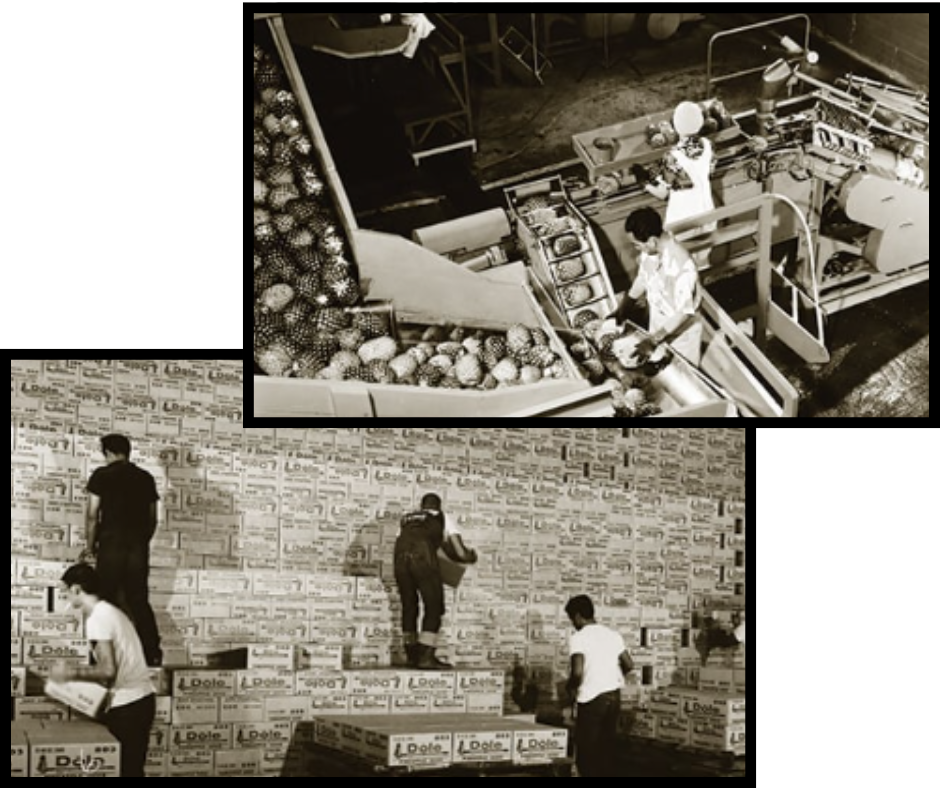
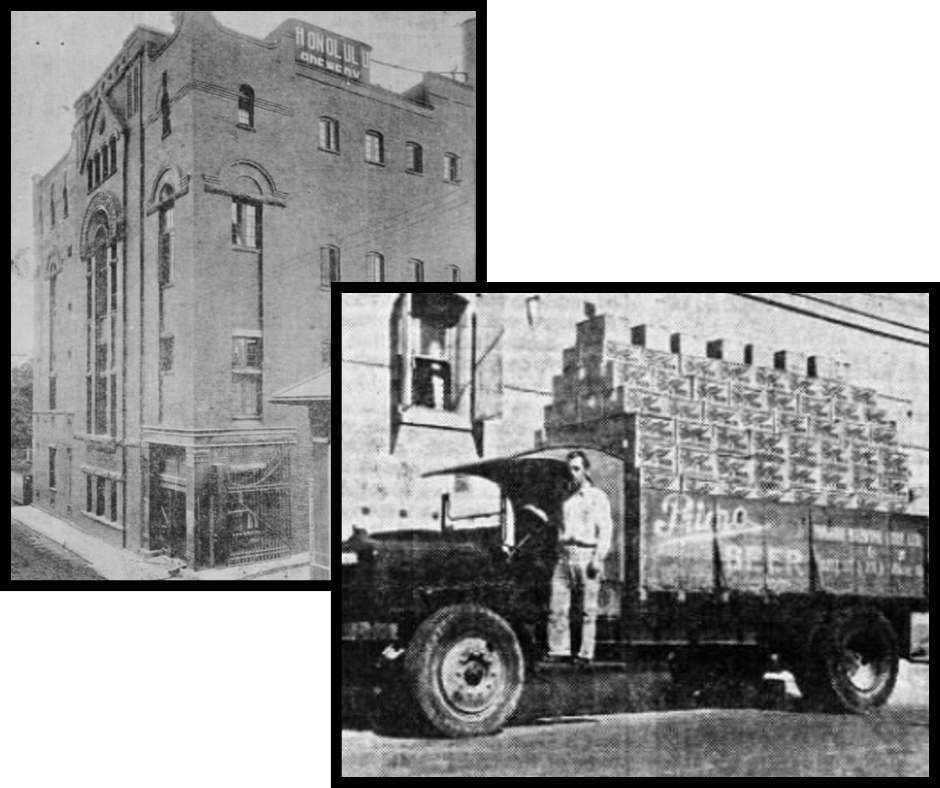
There was a time when Hawaiʻi didn’t just grow its own food; it made its own everything. From canning pineapple and brewing Primo beer to bottling local sodas and distributing them island-wide, Hawaiʻi’s agricultural and manufacturing economy was vibrant, self-sustaining, and proudly local.
That system was more than industry; it was identity. It kept families employed, communities connected, and food flowing from our islands to the world. But over the decades, as global imports replaced local production, we lost not only our factories and farms, we lost our food independence.
Now, after multiple crises, Hawaiʻi Island is being reminded of a truth our kūpuna always knew: we must be able to feed ourselves.
CRISIS AFTER CRISIS: A REMINDER OF OUR VULNERABILITY
The last two decades have shown us how fragile Hawaiʻi’s food system has become.
After 9/11, when air travel halted, grocery shelves emptied within days. During COVID-19, supply chains broke down, leaving ships offshore while local farmers struggled to move crops without processing or distribution facilities. Most recently, interruptions in SNAP benefits revealed how close thousands of families remain to food insecurity, reliant on imported and processed food that must travel thousands of miles.
Each crisis underscored the same lesson: food security is not only about growing what we eat, it is about having the infrastructure to process, package, store, and distribute it here at home.
THE MISSING MIDDLE: WHERE OUR FOOD SYSTEM BREAKS DOWN
Across Hawaiʻi Island, farmers are growing more food than ever. Yet much of it never reaches local markets, not because of a lack of effort, but because of what experts call the “missing middle,” the gap between farm and fork.
That gap includes:
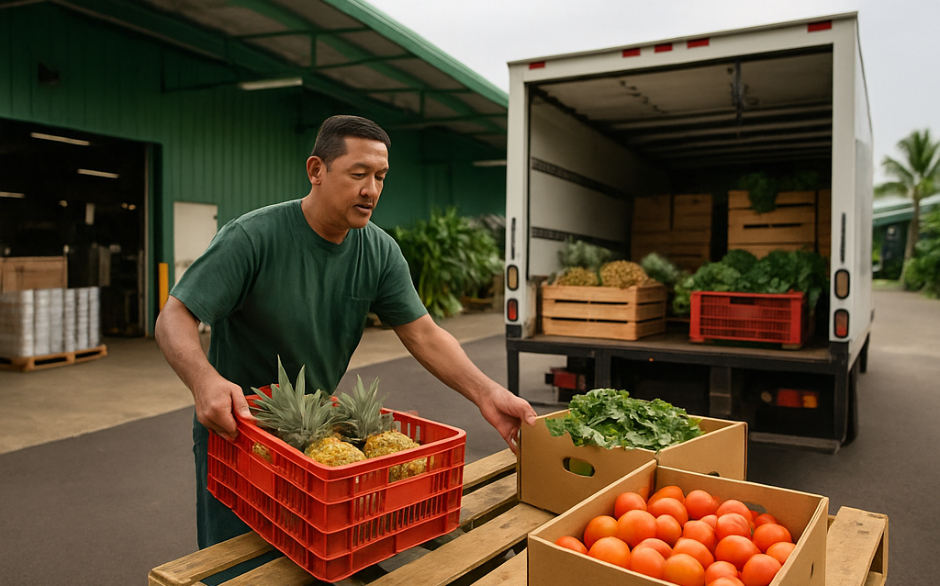
• Processing facilities to clean, cut, and prepare food for retail or institutional use.
• Cold storage and warehousing to keep products fresh and reduce waste.
• Packaging and labeling hubs to make local products market-ready.
• Distribution networks to move food efficiently to stores, schools, and families across the island.
Without these systems, Hawaiʻi’s farmers remain at a disadvantage. We grow the food, but we send it away to be processed and buy it back at a markup.
A LOCAL SOLUTION: THE HAWAIʻI FOOD BASKET’S VISION
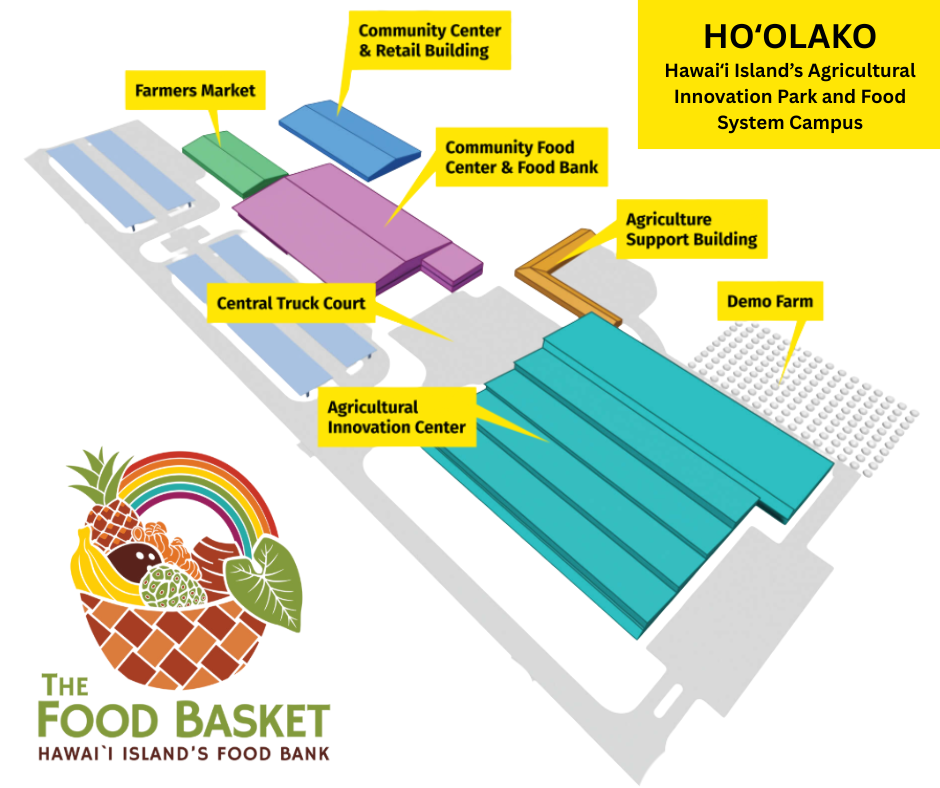
In the face of this challenge, The Hawaiʻi Food Basket is leading the charge to restore Hawaiʻi Island’s food sovereignty, starting with rebuilding its agricultural infrastructure, Hoʻolako.
Long known as the island’s food bank, The Hawaiʻi Food Basket has evolved into a community food systems innovator, bridging gaps between farmers, producers, and families. Programs like Da Box and Kaukau 4 Keiki proved during the pandemic that local coordination could feed people while keeping small farms alive.
Now, The Hawaiʻi Food Basket is taking that experience further with plans to develop an island-wide network for food processing, packaging, storage, and distribution, the backbone of a truly sustainable and self-reliant food system.
This vision is not just about logistics. It is about restoring Hawaiʻi’s ability to feed itself from the ʻāina up, to rebuild the economic and cultural ecosystem that once made local agriculture thrive.
PHILANTHROPY’S ROLE: INVESTING IN THE INFRASTRUCTURE OF INDEPENDENCE
Rebuilding Hawaiʻi’s agricultural backbone requires more than good intentions. It requires bold investment. Philanthropists, foundations, and public-private partners can play a transformative role by funding the infrastructure that supports food production at every level.
Investments in processing, distribution, and storage are not simply economic. They are acts of resilience. They create:
• Economic opportunity for farmers and workers.
• Environmental benefits by reducing imports and emissions.
• Equity by ensuring healthy, local food reaches every family, not just those who can afford it.
As CoMission LLC notes in its work with rural and Native Hawaiian nonprofits, sustainable impact happens when financial systems align with community values, where the tools of modern management meet the wisdom of local culture.
That is precisely the balance The Hawaiʻi Food Basket’s plan embodies.
HONORING OUR PAST, FEEDING OUR FUTURE
When we talk about food systems, we are really talking about sovereignty, about restoring the balance our grandparents once knew when Hawaiʻi’s farms, factories, and fisheries sustained our communities.
We once made our own sodas, canned our own pineapple, and brewed our own beer. We can do it again, this time with an eye toward sustainability, equity, and resilience.
The Hawaiʻi Food Basket’s infrastructure plan is more than a project. It is a pathway to reclaiming that legacy, to building an island economy rooted in local abundance rather than imported dependency.
Because the truth is simple: we cannot just grow our food. We have to be able to move it, make it, and share it.
Hawaiʻi Island’s future depends on what we build today. Philanthropists, policymakers, and community partners have a historic opportunity to invest in the infrastructure that feeds us, literally.
Support The Hawaiʻi Food Basket’s agricultural infrastructure plan and help ensure Hawaiʻi Island can once again grow,
process, and distribute its own food, from seed to shelf, from ʻāina to ʻohana.
Because when Hawaiʻi feeds itself, Hawaiʻi thrives.