
Measuring What Matters
Measuring What Matters:
Community Wealth Beyond Dollars in Hawaiʻi
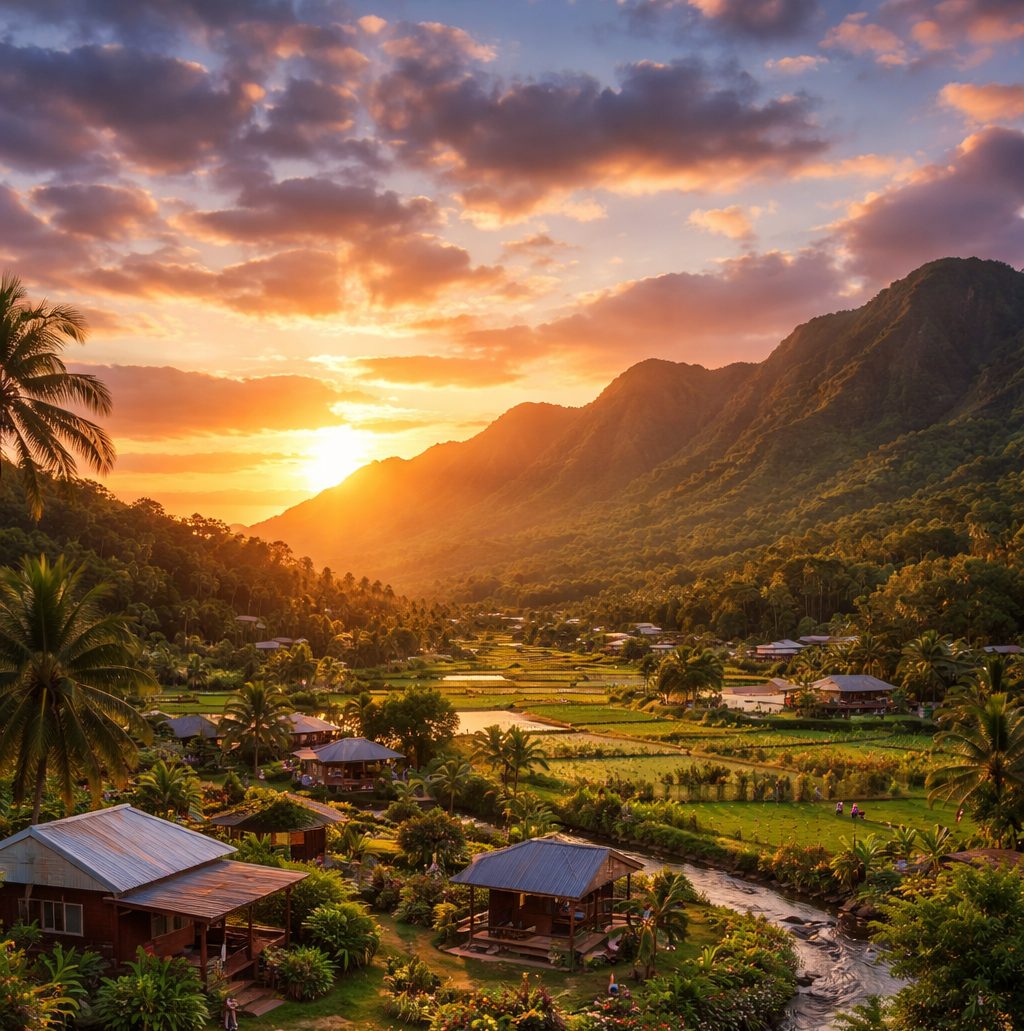
As we welcome 2026, Hawaiʻi is entering a season of reflection and renewed intention. Across our islands, conversations around economic development are shifting. While traditional indicators like GDP and tourism revenue remain visible, they fail to capture the deeper, community-rooted forms of wealth that define long-term wellbeing in Hawaiʻi.
Throughout the year, ChangeMakers has launched and expanded programs designed to meet real needs in real time. From education and training initiatives to small business and nonprofit support, our work has continued to focus on creating pathways that lead to stability, opportunity, and long-term impact. These program launches represent countless hours of planning, collaboration, and trust-building, and they reflect our belief that community-centered solutions work best when they are built together.
The past year has revealed that what matters most cannot always be counted in dollars. Food security, housing access, cultural resilience, and community self-determination are becoming the new cornerstones of wealth. In 2026, the challenge is to ensure these values are not only protected but measured and elevated in planning, policy, and philanthropy.
COMMUNITY WEALTH IS MORE THAN INCOME
In late 2025, the State of Hawaiʻi revised its economic growth projections, citing reduced visitor spending and inflation-related challenges. While this data helps explain market trends, it does not speak to the resilience or aspirations of local communities. For Native Hawaiian and Pacific Islander families, whose lived experiences often sit outside of economic reports, new forms of measurement are emerging.
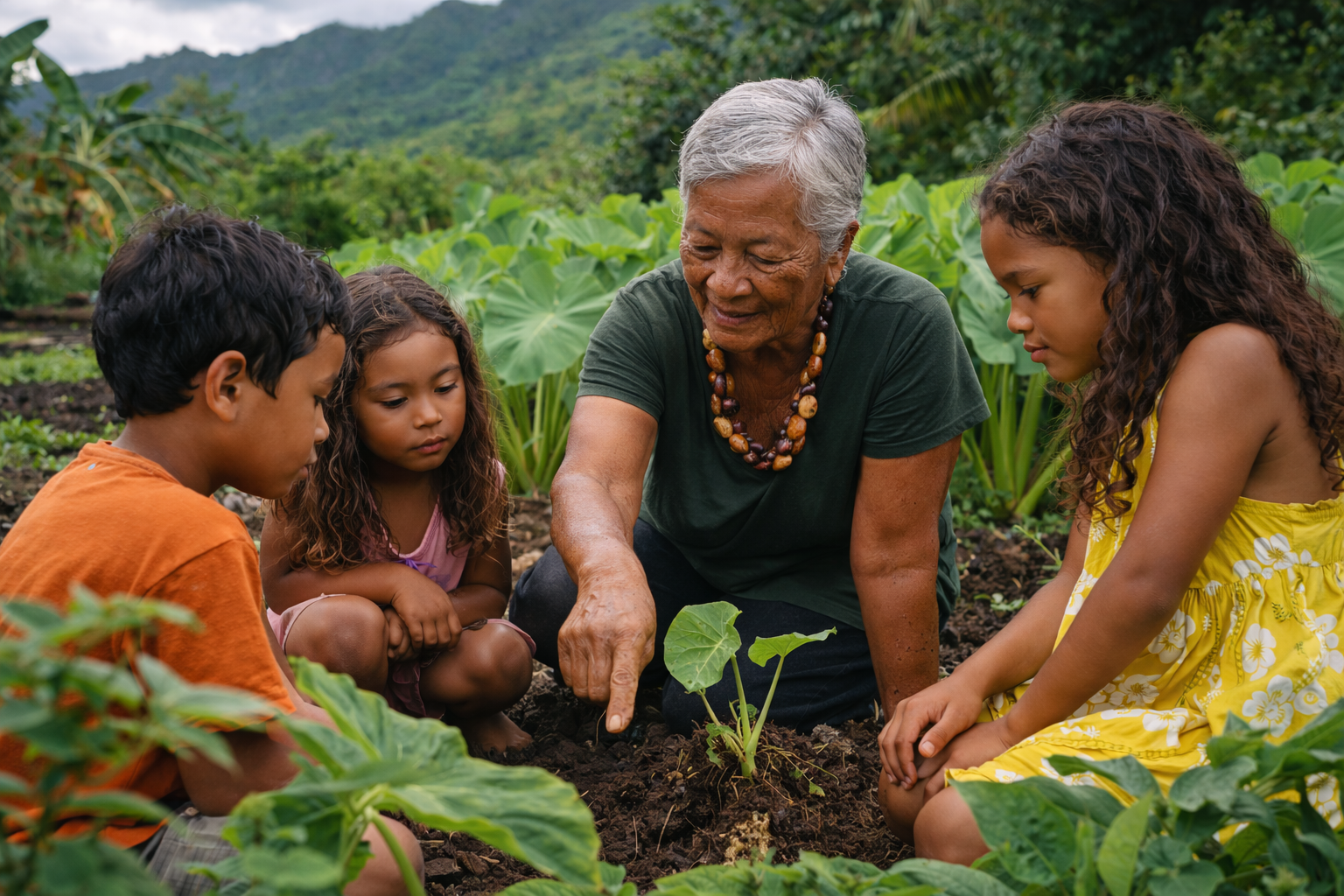
Community wealth includes relationships, knowledge transfer, ʻāina stewardship, language revitalization, and the ability to thrive in place. These dimensions of wealth may not appear on a balance sheet, but they are essential to sustainable futures.
FOOD SYSTEMS AND CULTURAL HEALTH
One example comes from Hawaiʻi Island, where organizations recently received funding to expand local food security infrastructure. These investments support not only access to healthy food but also the perpetuation of traditional farming practices and intergenerational teaching. Strengthening local food systems reduces dependency on imports, builds environmental resilience, and keeps knowledge alive.

SMALL BUSINESS AS CULTURAL ENTERPRISE
Support for Native Hawaiian small businesses continues to grow. Grants for cultural artisans, vendors, and festival participants do more than stimulate sales. They protect cultural expression, expand economic opportunity for underserved entrepreneurs, and ensure that the next generation sees value in cultural practice as a viable livelihood.
HOUSING STABILITY AND COMMUNITY VOICE
Policy changes on Maui addressing short-term vacation rentals reflect growing concern about displacement and the loss of local housing stock. While controversial, these shifts represent a movement toward community-driven decision-making that prioritizes residents over speculation. Stable housing enables health, education, and long-term civic participation.
NEW METRICS FOR A NEW YEAR
Measuring what matters requires tools that go beyond economic inputs and outputs. Communities across Hawaiʻi are exploring models like the Genuine Progress Indicator, which values health, equity, environment, and cultural continuity. Others are using storytelling, participatory evaluation, and community-defined indicators to track what success truly means.
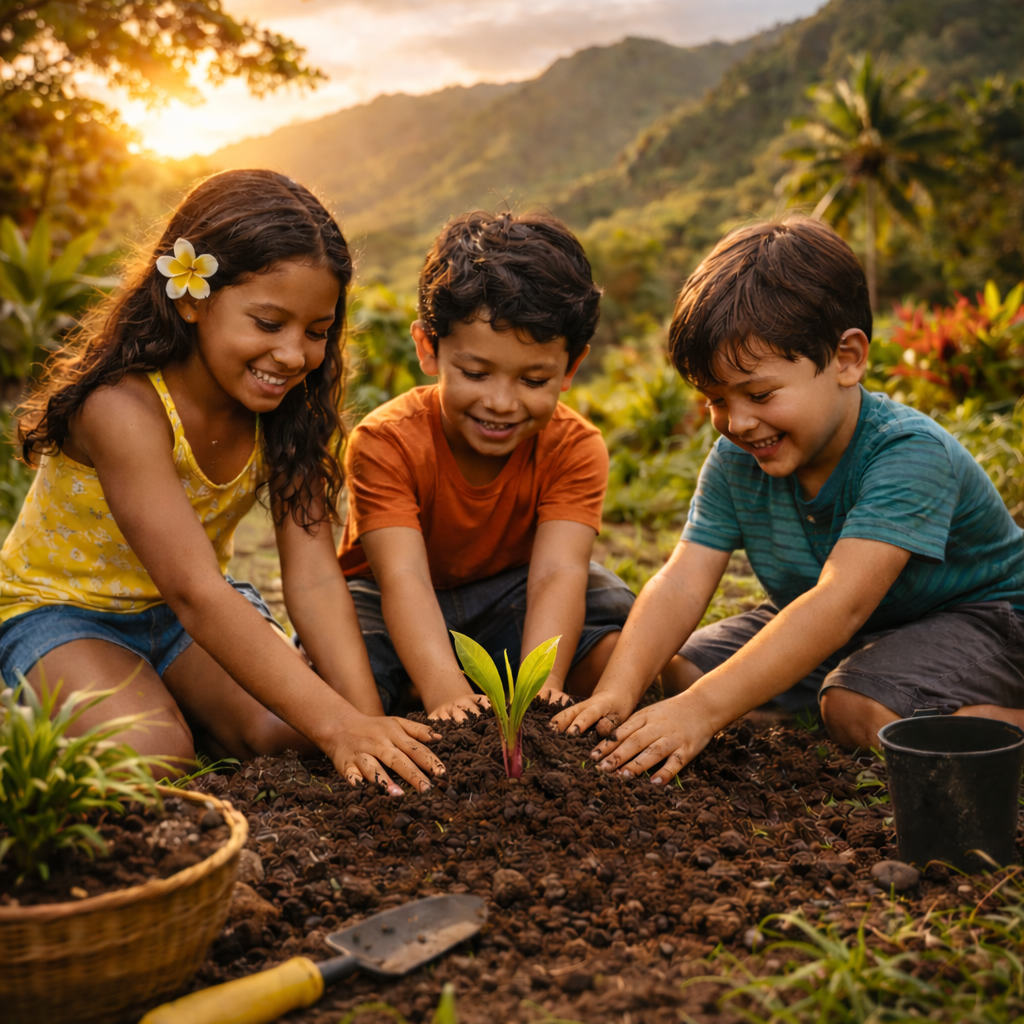
Some examples of community-centered metrics include:
Number of youth enrolled in ʻāina-based learning programs
Increase in ʻōlelo Hawaiʻi usage across generations
Community stewardship of land and ocean resources
Improved access to housing and a reduction in family displacement
Wellbeing indicators rooted in cultural practices and collective healing
LOOKING AHEAD
As 2026 unfolds, it is time to ask new questions about prosperity. How do we know when a community is truly thriving? Who gets to define success? What stories are we telling through our data?
For Hawaiʻi, the answers must come from within. They will be grounded in cultural values, informed by lived experience, and accountable to future generations. Measuring what matters means centering the people, places, and practices that make Hawaiʻi whole.
If your organization is exploring new ways to define and demonstrate impact, we invite you to join the conversation. Together, we can build a future where community wealth is measured not just by what we have, but by who we are and how we care for each other.