
Transaction to Transformation
From Transaction to Transformation:
The Impact of Value‑Aligned Giving

In 2026, the landscape of philanthropy in Hawaiʻi is evolving. Donors and partners are moving beyond transactional giving toward investments that reflect shared values, honor cultural priorities, and support lasting transformation. This shift is rooted in relationship, responsibility, and reciprocity. It recognizes that the true impact of giving is not measured simply by the size of a check, but by the deep, sustained change that emerges when community power is centered, voices are respected, and resources are aligned with long‑term vision.
Value‑aligned giving is not new in Hawaiʻi. It is grounded in principles that Native Hawaiian and Pacific Islander communities have long practiced. Philanthropy that honors these principles listens before acting, co‑designs with community, and measures success by community‑defined outcomes. When we talk about transformation, we mean outcomes that shift systems, reweave social and cultural fabric, and expand opportunity for present and future generations.
WHY VALUE‑ALIGNED GIVING MATTERS NOW
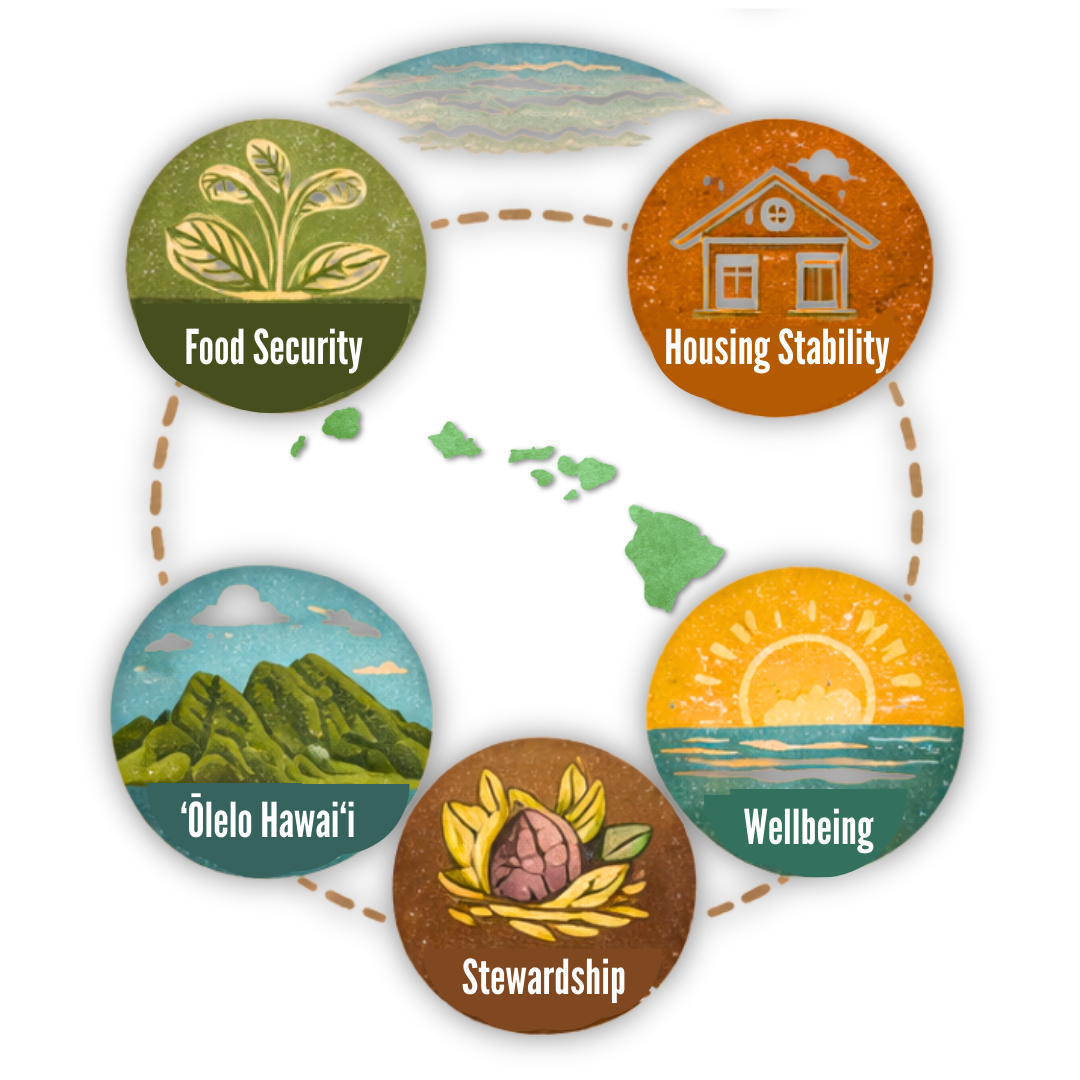
The early months of 2026 continue to show that traditional approaches to philanthropy are insufficient to address complex challenges such as housing access, food security, cultural revitalization, and economic inequity. When donors simply write checks to fill gaps created by larger systemic issues, the root causes persist. What is needed instead are investments that strengthen community capacity, support cultural continuity, and build equitable systems.
Value‑aligned giving centers the voices and expertise of those with lived experience. It prioritizes trust over transaction, relationships over reporting, and shared leadership over hierarchical decision‑making. This approach is transforming how nonprofits, community partners, donors, and philanthropic institutions work together.
STORIES OF TRANSFORMATION
Across Hawaiʻi, inspiring examples are emerging. These stories show how value‑aligned giving leads to results that matter deeply to communities.
Supporting Community Food Sovereignty
When a group of local donors partnered with a community food hub in West Hawaiʻi, they did more than fund infrastructure. They committed to listening to the needs of farmers, kupuna, and youth. Through joint planning sessions, shared decision‑making, and flexible funding, the food hub increased year‑round access to nutritious local produce, expanded training for young farmers, and strengthened market opportunities for small producers.
One community leader shared that the partnership "did not feel like a transaction. It felt like relationship. We were seen, heard, and invited to shape what success looks like for our ʻohana and ʻāina."
Elevating Indigenous Entrepreneurship
A foundation that reoriented its funding to honor Native Hawaiian enterprise shifted from awarding grants to inviting entrepreneurs into a multi‑year learning and growth partnership. Instead of rigid grant metrics, the foundation agreed to outcomes defined by participants, including cultural revitalization, generational participation, and equitable access to markets.
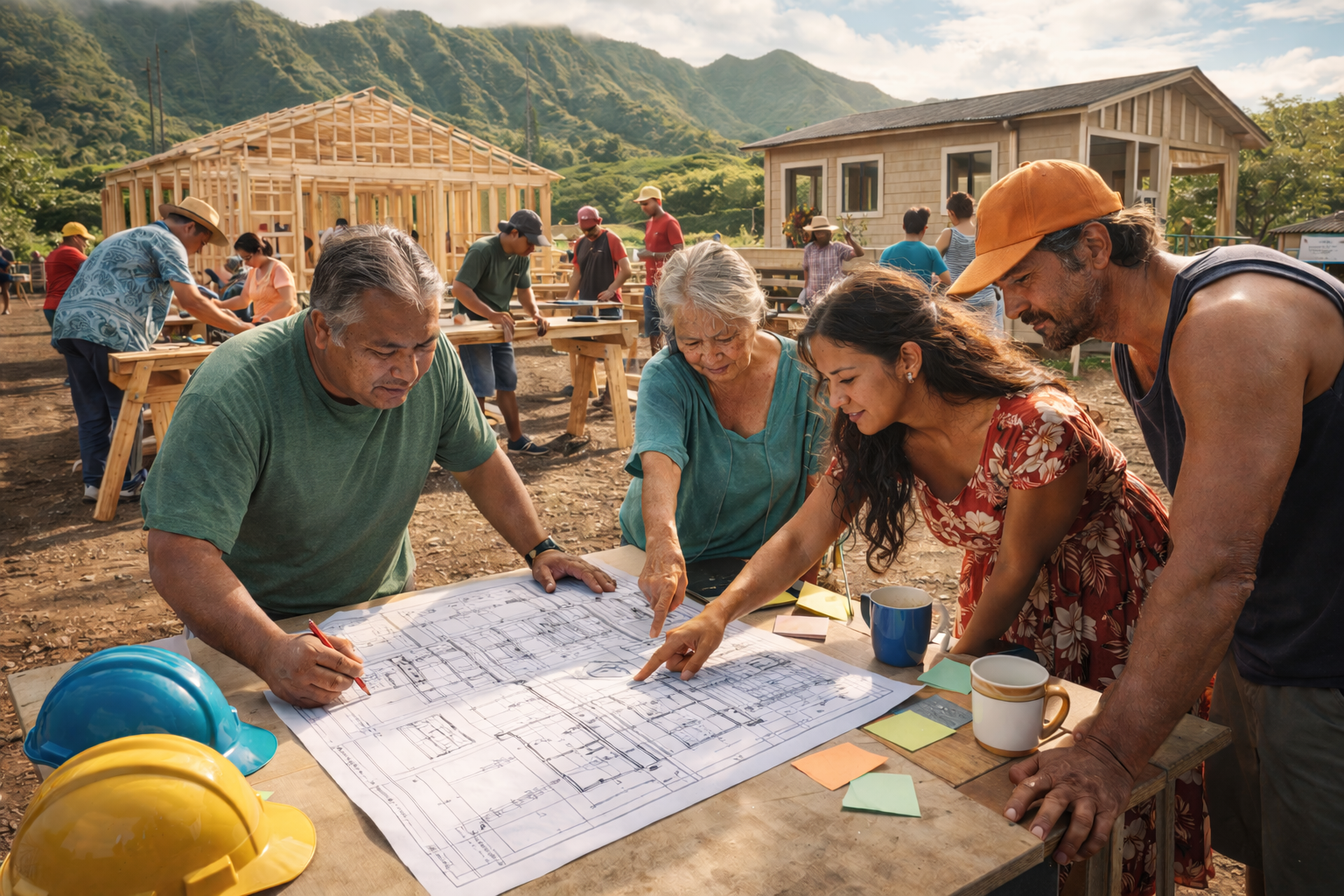
The result has been small businesses that are financially resilient, culturally grounded, and networked across island economies. Business owners expressed that this form of support feels like investment in identity, not just income.
Housing Access Designed By Community
In another example, donors collaborated with a Maui‑based housing initiative by committing unrestricted funding and trusting a community advisory council to guide allocation. Instead of specifying how funds should be used, donors empowered the council to make decisions based on local knowledge and priority. This approach enabled rapid responses to inequities and created culturally affirming housing options that reflect shared values.
Residents described the outcome as life‑changing: “This is not charity,” one kupuna said. “This is dignity restored.”
MEASURING WHAT MATTERS
Value‑aligned giving requires new ways of evaluating impact. Traditional metrics focused on dollars spent or units delivered tell only part of the story. Value‑aligned impact measurement includes:
• Stories of individual and collective change shared by community members.
• Cultural outcomes such as increased engagement in ʻōlelo Hawaiʻi, mālama ʻāina practices, or traditional arts.
• Improvements in quality of life that are defined and verified by community, not only by external evaluators.
• Strengthened networks, partnerships, and systems that continue to expand capacity beyond any single project.
These measures are not easy to quantify, but they are essential to understanding transformation.
A CALL FOR COLLECTIVE LEADERSHIP IN 2026
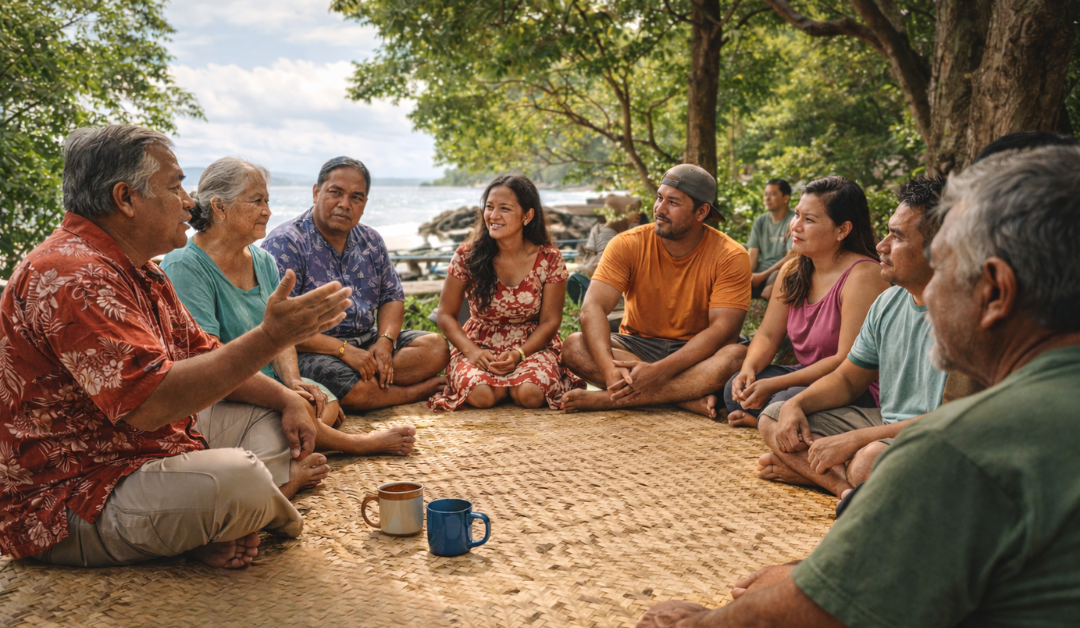
As we move deeper into 2026, there is an urgent need for philanthropy that contributes to systemic change. Donors and partners who embrace value‑aligned giving contribute not just resources, but trust, flexibility, and shared agency.
Transformation happens when we shift from asking “How much?” to “To what end?” and “For whom?” When giving reflects community priorities and cultural wisdom, impact is sustained, generational, and rooted in place.
We invite funders, partners, and community leaders to join in this work. Let us continue to shape philanthropic practice that is as expansive as the communities it serves. In doing so, we will not only meet immediate needs but also build collective wealth that honors the values, histories, and futures of Hawaiʻi.