
Founder’s Feed: Our Food
Founder’s Feed: Our Food, Our Future
Why Food Sovereignty is Central to Resilience

When I was a child, we didn’t have to go far for a snack. On long afternoons riding bikes with friends, we’d stop along the way to pick mango, lychee, or guava straight from our neighbors’ yards. We always asked first, of course, and more often than not, the answer came with a smile and a story. Nobody minded. That was just how things were. Food was shared, not sold. The ʻāina was generous, and so were the people.
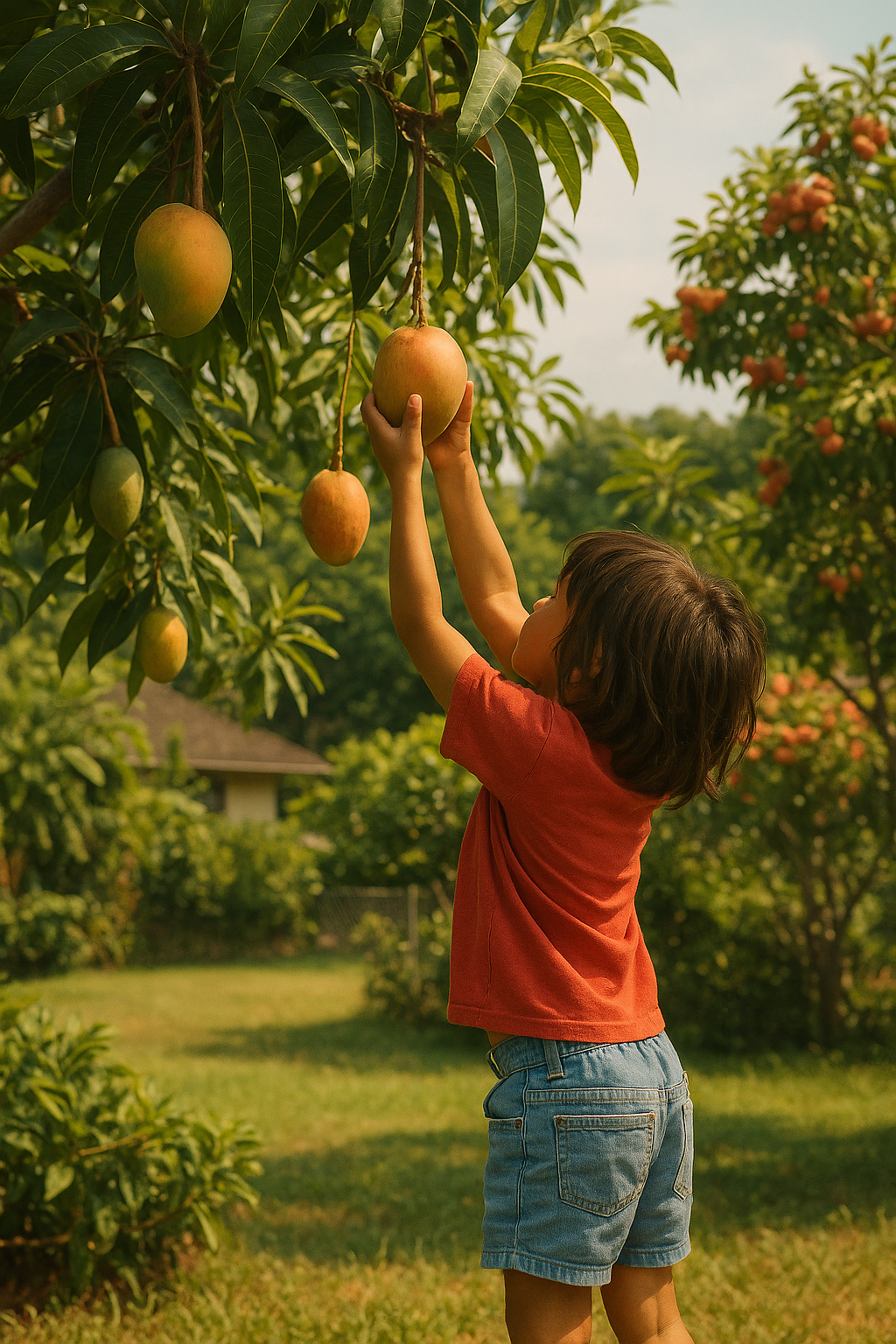
Those memories remind me of a time when food connected us to place and to each other. It wasn’t something wrapped in plastic or shipped from across the ocean. It came from right where we lived, shaped by the land, the seasons, and our relationships.
That way of life taught me something lasting: food is not just nourishment. It is connection. It is culture. It is the foundation of who we are as a people.
Today, as we face growing challenges in our food system, from rising costs to fragile supply chains, I am reminded that food sovereignty isn’t a luxury for Hawaiʻi. It’s a necessity. It’s central to our resilience as an island community.
FOOD SOVEREIGNTY IS ABOUT MORE THAN FARMING
When people hear the word “sovereignty,” they often think of politics or governance. But food sovereignty begins much closer to home. It’s about having control over how our food is grown, processed, distributed, and shared.
It means that our farmers, fishers, and families, not distant corporations, define how we feed ourselves.
It means reconnecting to our ʻāina, honoring traditional practices, and supporting the local businesses that sustain our economy and our health.
When we build systems where local food can be grown, processed, and distributed locally, we do more than create jobs. We strengthen our collective immunity, not just from disease, but from dependency.
THE COST OF DISCONNECTION
Over the past 25 years, we’ve seen how quickly that disconnection can hurt us.
After 9/11, when air cargo stopped, our grocery shelves emptied. During COVID-19, when imports slowed, local farmers watched their crops spoil because there was no infrastructure to process or distribute their harvests. When SNAP benefits were interrupted, families struggled to afford basic food because much of it was shipped thousands of miles to get here.
Each crisis has reminded us of a hard truth: Hawaiʻi cannot be resilient if it cannot feed itself.
CULTURAL ROOTS, MODERN SOLUTIONS
Our kūpuna understood this. They designed food systems that were circular, balanced, and regenerative. From loko iʻa (fishponds) to loʻi kalo (taro terraces), every part of the system supported the next, feeding both people and land.
That knowledge still lives in us. We see it in the farmers who revive dryland taro, in community organizations like The Hawaiʻi Food Basket, and in every local entrepreneur creating new ways to feed our people.
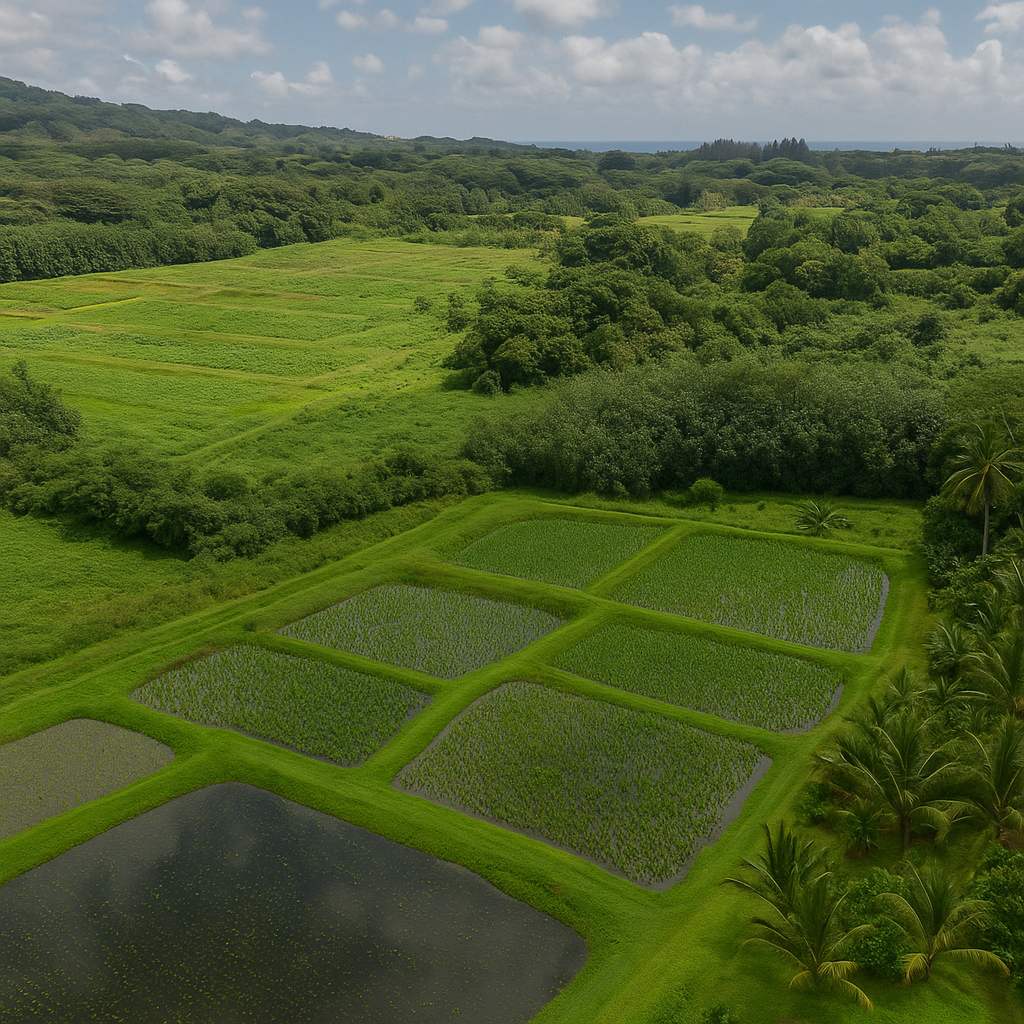
At CoMission, we believe food sovereignty is both a cultural right and an economic strategy. It connects our values of Place, People, Purpose, and Profit. It allows our communities to thrive on their own terms, not in isolation, but in interdependence with each other.
FOOD IS THE FIRST STEP TO RESILIENCE
Resilience isn’t built in boardrooms. It’s built in loʻi, kitchens, and markets. It’s built when a farmer knows her harvest will find its way to a neighbor’s table, not just an off-island distributor. It’s built when a community can choose what to eat, how to grow it, and who benefits from it.
Food sovereignty is not a movement for tomorrow. It’s the work we must do today, together.
When we invest in our local food systems, we invest in our future. We create a Hawaiʻi that is healthy, secure, and thriving from the ʻāina up.
Because the truth is simple: our food is our future. And our future depends on how well we care for the land, and for one another.