

Indigenous Evaluation &
Data Sovereignty Sessions
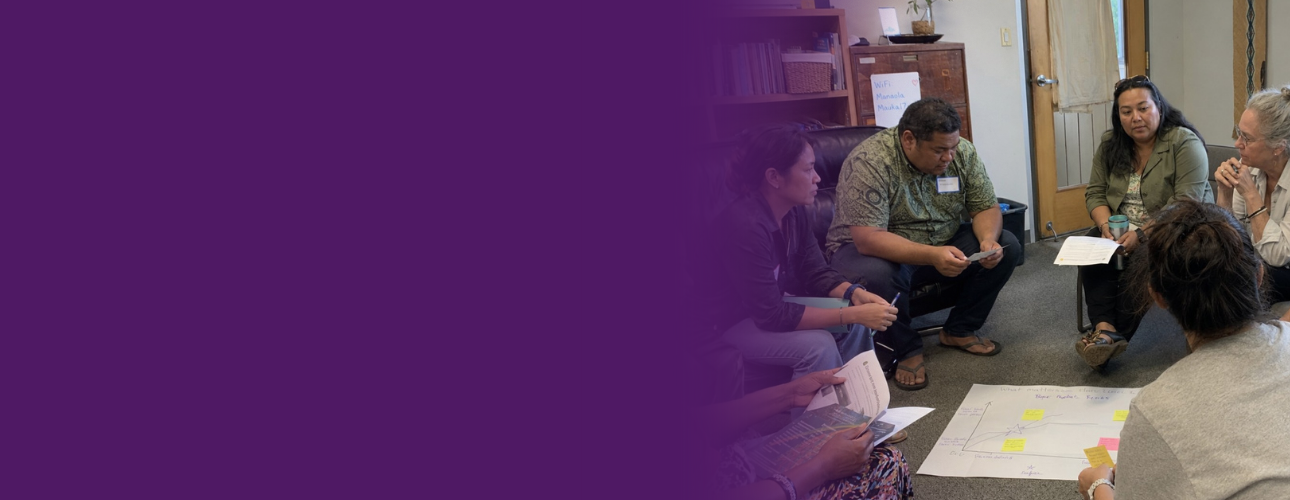
Evaluation should be more than a reporting requirement.
For many Indigenous and Native-serving organizations, evaluation has too often been shaped by outside institutions, funder expectations, and Western definitions of success. This series offers a different approach—one that treats evaluation as a tool for accountability, learning, community care, and self-determination.
Reclaiming Our Stories,
Strengthening Our Impact
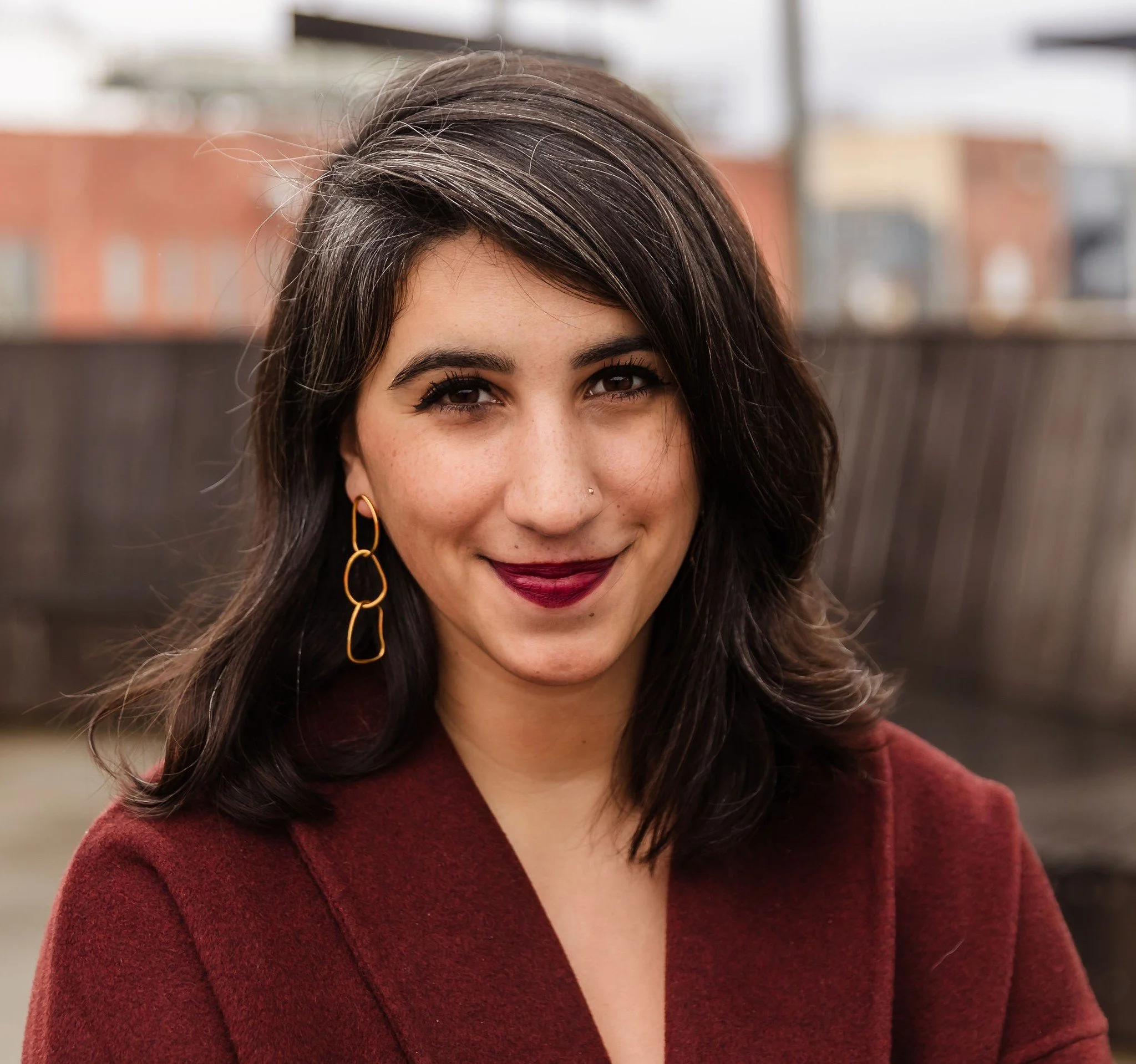
Led by Dr. Sofia Locklear, this four-part learning experience will help participants build culturally grounded, community-centered evaluation practices while also meeting funder requirements. Through two prerecorded videos and two interactive live workshops, participants will explore Indigenous evaluation frameworks, Indigenous data sovereignty, meaningful measurement, and practical strategies for creating evaluation systems that are both useful and sustainable.
Dr. Sofia Locklear is an enrolled member of the Lumbee Tribe of North Carolina and an Assistant Professor of Sociology at the University of Toronto Mississauga. She is also a CIFAR Global Scholar.
Her work sits at the intersection of Indigenous evaluation methodologies, Indigenous data sovereignty, and public health. Drawing from her experience with the Urban Indian Health Institute, Dr. Locklear specializes in helping organizations bridge traditional knowledge, community priorities, and contemporary reporting requirements so Indigenous stories are represented accurately, respectfully, and with dignity.
What You’ll Learn
-
✓ Understand what Indigenous data is and how Indigenous data sovereignty principles apply to evaluation
-
✓ Recognize and address the harms caused by extractive research and evaluation practices
-
✓ Use Indigenous evaluation frameworks to center community values, relationships, and accountability
-
✓ Translate program goals into outcomes and indicators that are meaningful to communities and understandable to funders
-
✓ Identify qualitative and quantitative measures that reflect the full story of a program’s impact
-
✓ Understand Indigenous data and the principles of Indigenous data sovereignty
-
✓ Develop practical systems for collecting, managing, and using data
-
✓ Reduce duplication across multiple funder reports
-
✓ Integrate evaluation into everyday organizational operations
-
✓ Use evaluation findings to strengthen programs, communicate impact, and support long-term sustainability
Series Format
This series combines flexible, self-paced learning with hands-on workshops.
1. Prerecorded Video 1: Indigenous Evaluation and
Prerecorded Video 2: Indigenous Data
Released July 15, 2026
Video 1 explores why evaluation matters, how evaluation can reflect Indigenous values, and how organizations can remain accountable to both their communities and their funders.
Video 2 introduces Indigenous data, culturally relevant measurement, and accessible ways to collect and manage information.
2. Live Session 1: Designing Community-Centered Evaluations
July 29, 2026
9:00 a.m. Hawaiʻi Time
90–120 minutes
This interactive workshop provides a practical framework for transforming strategic plans and program goals into meaningful evaluation systems.
Participants will develop culturally grounded evaluation questions, identify measurable outcomes and indicators, and begin creating evaluation plans that integrate program objectives, community priorities, and Indigenous data sovereignty principles.
By the end of the session, participants will have tools to measure impact in ways that are both funder-ready and community-centered.
3. Live Session 2: Streamlining Evaluation and Reporting
August 12, 2026
9:00 a.m. Hawaiʻi Time
90–120 minutes
Managing multiple funder requirements can create significant reporting burdens for Indigenous and Native-serving organizations.
This session will help participants develop a more cohesive organizational approach to evaluation and reporting. Participants will explore strategies for aligning multiple funder expectations, reducing duplication, strengthening data management practices, and integrating evaluation into daily operations.
The session will also focus on using evaluation findings to improve programs, communicate impact, and support organizational sustainability.
Registration
Non-Member Registration: $150
Indigenous Fundraiser Network Members: Free
Current IFN members will receive a discount code by email before public promotion begins. Members must enter the code during checkout to receive complimentary registration.
Register to build an evaluation approach that is both community-centered and funder-ready.
Build evaluation practices that honor your community, protect Indigenous data, and meet funder requirements.
Led by Dr. Sofia Locklear, this four-part series includes two prerecorded videos and two live, interactive workshops focused on Indigenous evaluation, data sovereignty, meaningful measurement, and streamlined reporting.
You’ll learn how to:
Create community-centered evaluation questions and outcomes
Use qualitative and quantitative measures with intention
Translate community impact into funder-ready language
Reduce duplication across reporting requirements
Strengthen data practices and organizational sustainability
Series Schedule
Two Pre-Recorded Videos Released: July 15, 2026
Live Session 1: July 29, 2026 at 9:00 a.m. Hawaiʻi Time
Live Session 2: August 12, 2026 at 9:00 a.m. Hawaiʻi Time
Registration
Non-Members: $150. Prefer to save? Join the IFN Circle for $99 and receive free registration for this series. Become an IFN Circle Member.
Indigenous Fundraiser Network Members: Free. IFN members received the discount code by email on June 26. Or you can find the code on your membership homepage.
Register to build an evaluation approach that is both community-centered and funder-ready.