
The Work Before the Ask

Why a Strong Case for Support Starts Long Before Fundraising

A strong case for support does not begin with writing.
It begins with deeper questions.
When we first set out to create our case for support, we thought we already knew what needed to happen. The challenge felt urgent. The need was visible. We had language for it, data to back it up, and even a plan in motion.
So we did what many teams do. We started drafting.
We gathered the facts, shaped the narrative, clarified the need, and built the argument. On paper, it worked. The draft explained the issue, pointed to a solution, and answered the question we believed we were supposed to answer:
Why should someone give?
But even then, something felt unfinished. Not wrong. Just incomplete.
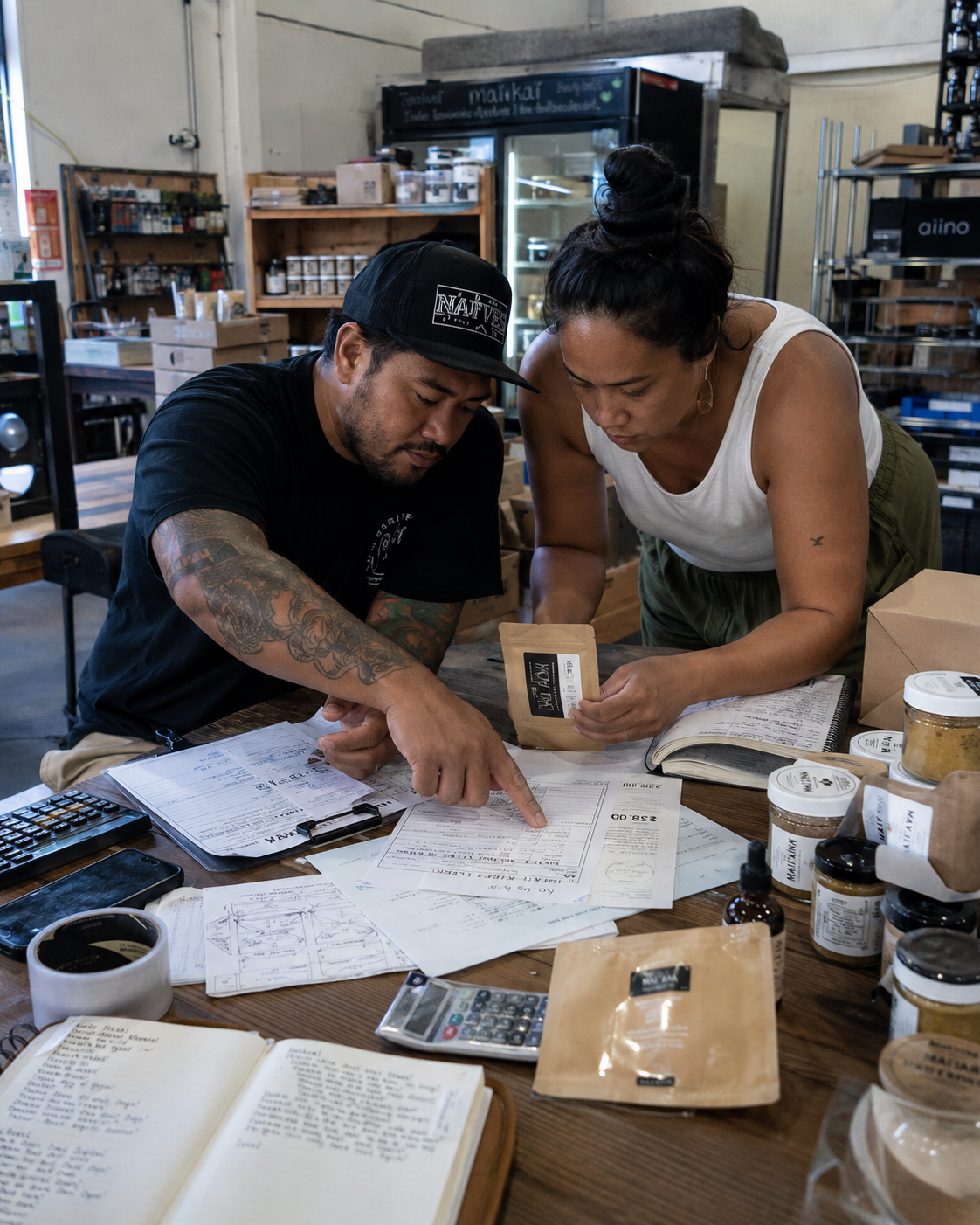
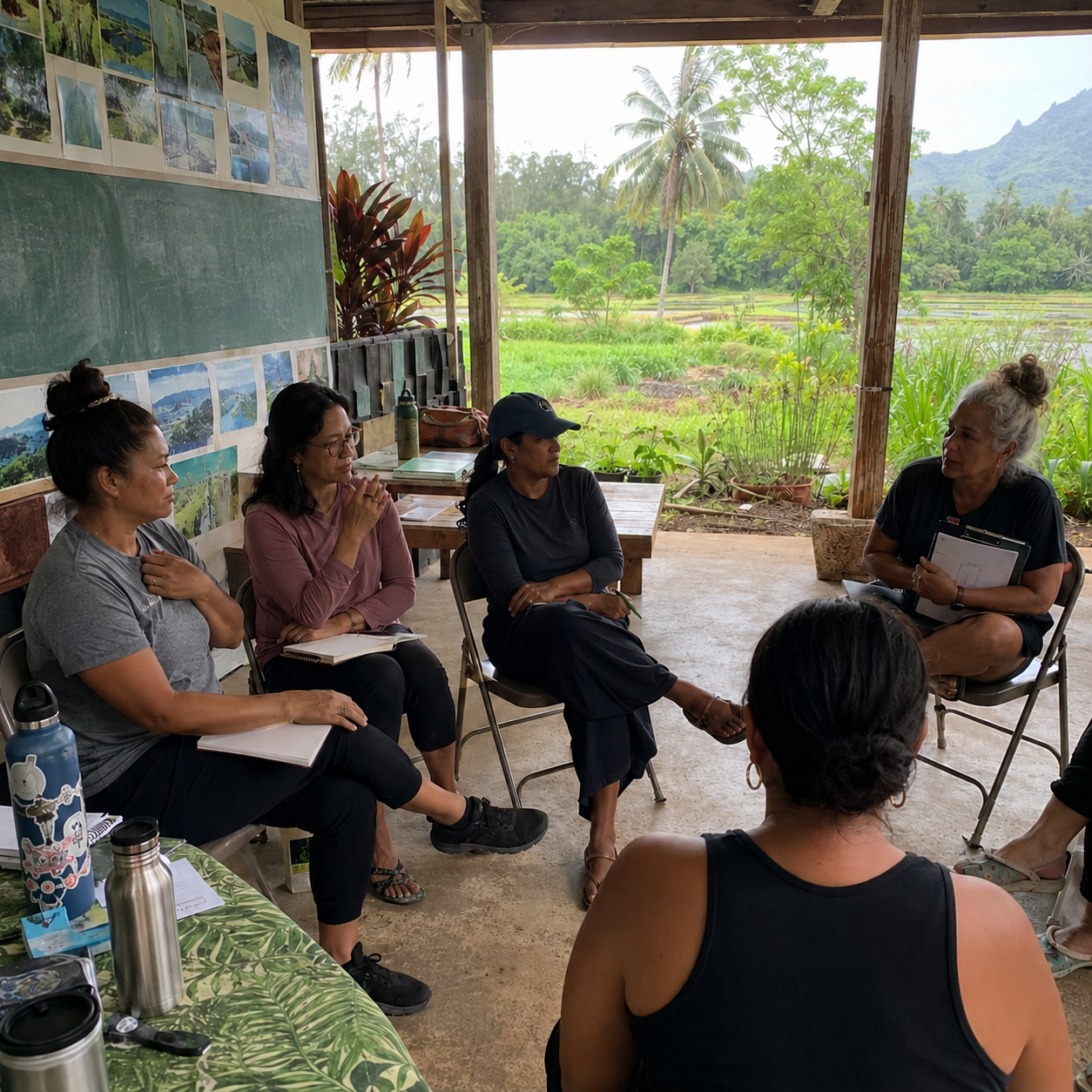
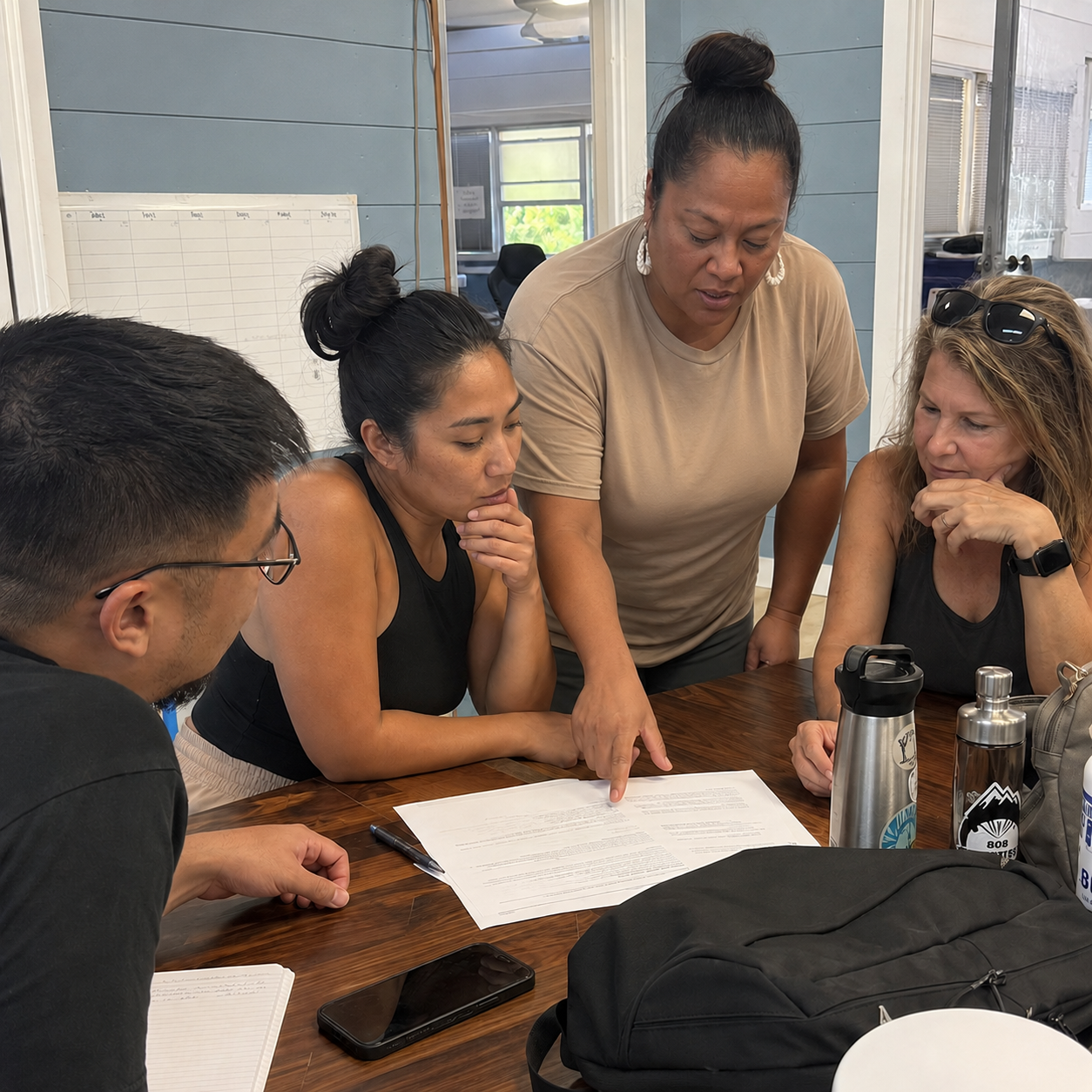
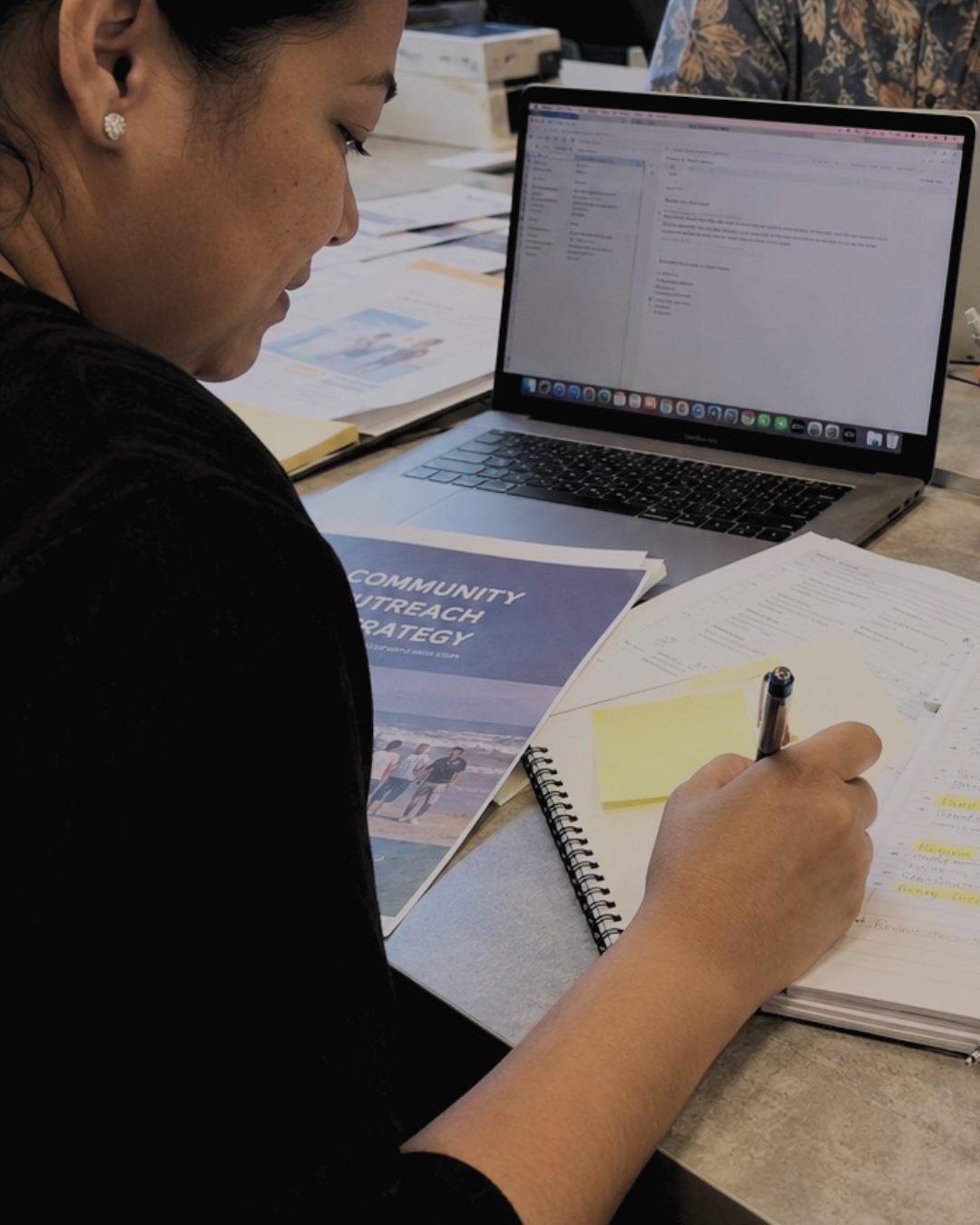
A week later, we brought that draft into a working session within the Kaʻiʻi learning journey, grounded in the Philanthropono approach. We expected feedback on structure, maybe clarity.
Instead, we were asked to put the document aside.

Before we refined the words, we were asked to reconsider the purpose.
What is a case for support actually for?
That question changed the room. Because we had not asked it yet.
What we thought a case for support was
At first, our answers came quickly.
It explains our work.
It helps us raise money.
It tells donors why this matters.
All of that is true.
But as we kept talking, we noticed something else: every answer pointed outward. Toward the donor. Toward the ask. Toward persuasion.
Then came another question:
What does it do for the people you are building with?
That was the moment everything slowed down.
Because we were no longer talking about a fundraising document. We were talking about responsibility.
What we began to understand
As the conversation deepened, we stopped focusing on writing and started focusing on purpose.
We began to see that a case for support is not just a communication tool. It is a decision-making tool.
Before we can explain our work to others, we have to be clear about it ourselves.
What are we actually trying to change?
Who defines that change?
What role do we play in it, and what role do we not play?
A case for support forces those questions into the open.
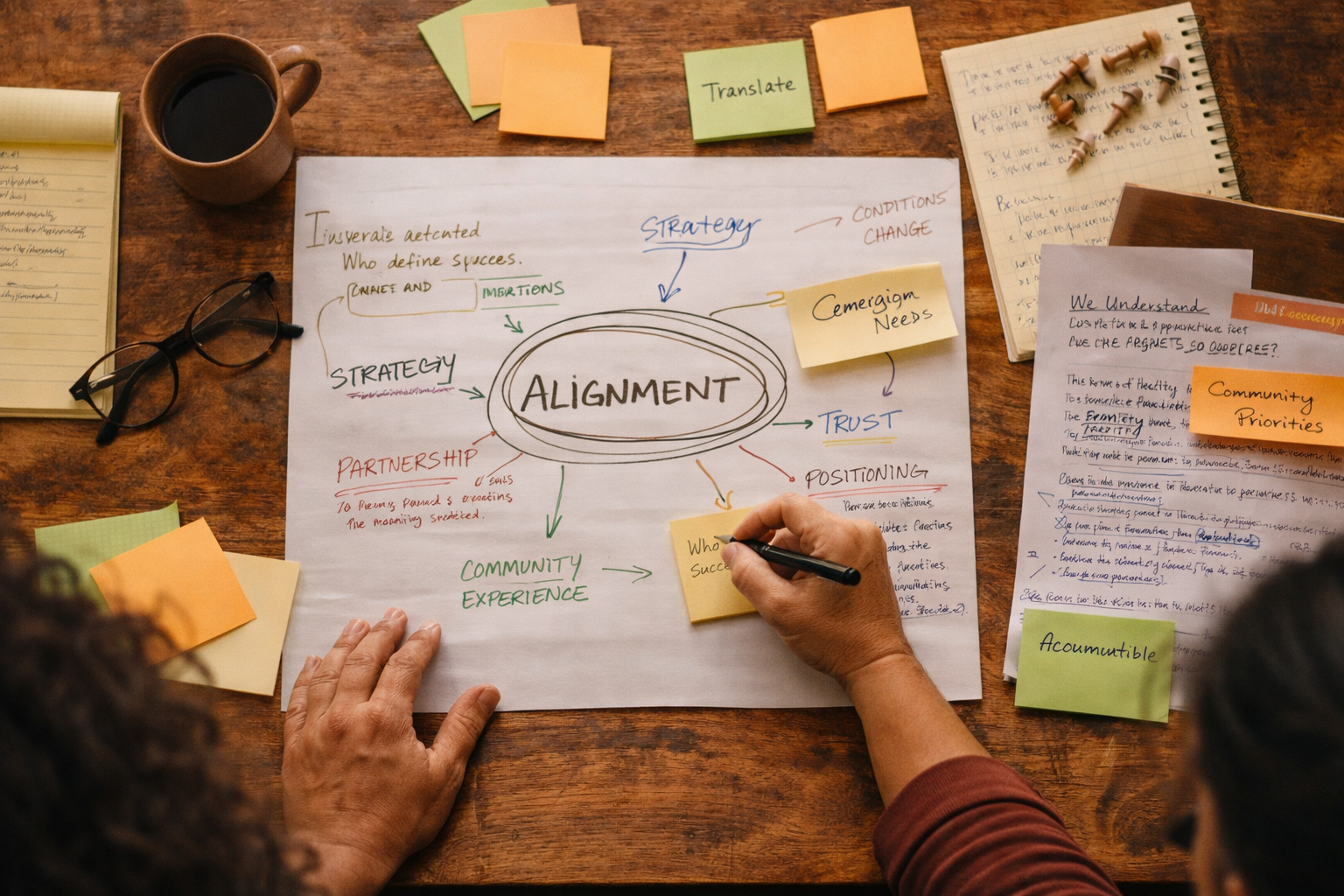
Within the Philanthropono framework, that clarity matters because it shapes everything that comes next.
1. It creates alignment before action
A meaningful case for support helps create alignment before anyone makes an ask.
It aligns teams around a shared understanding.
It connects strategy to real community needs.
It tests whether intentions match actual commitments.
If that alignment is missing, the document will reveal it, no matter how polished the language may be.
2. It translates community priorities into fundable pathways
When we returned to our original draft, we no longer read it as a message. We read it as a translation.
Because that is what a case for support really does.
It translates between worlds.
It helps bridge community experience and institutional language.
It connects lived reality to funding strategy.
It turns vision into meaningful financial investment.
If a case for support only explains our perspective, the translation is incomplete. But when it reflects what communities truly value and shows how resources will move in response, it becomes useful in a deeper way.
It becomes actionable.
It becomes credible.
It becomes something people can stand behind.
3. It establishes accountability
At one point, we paused on a section of the draft and asked a simple question:
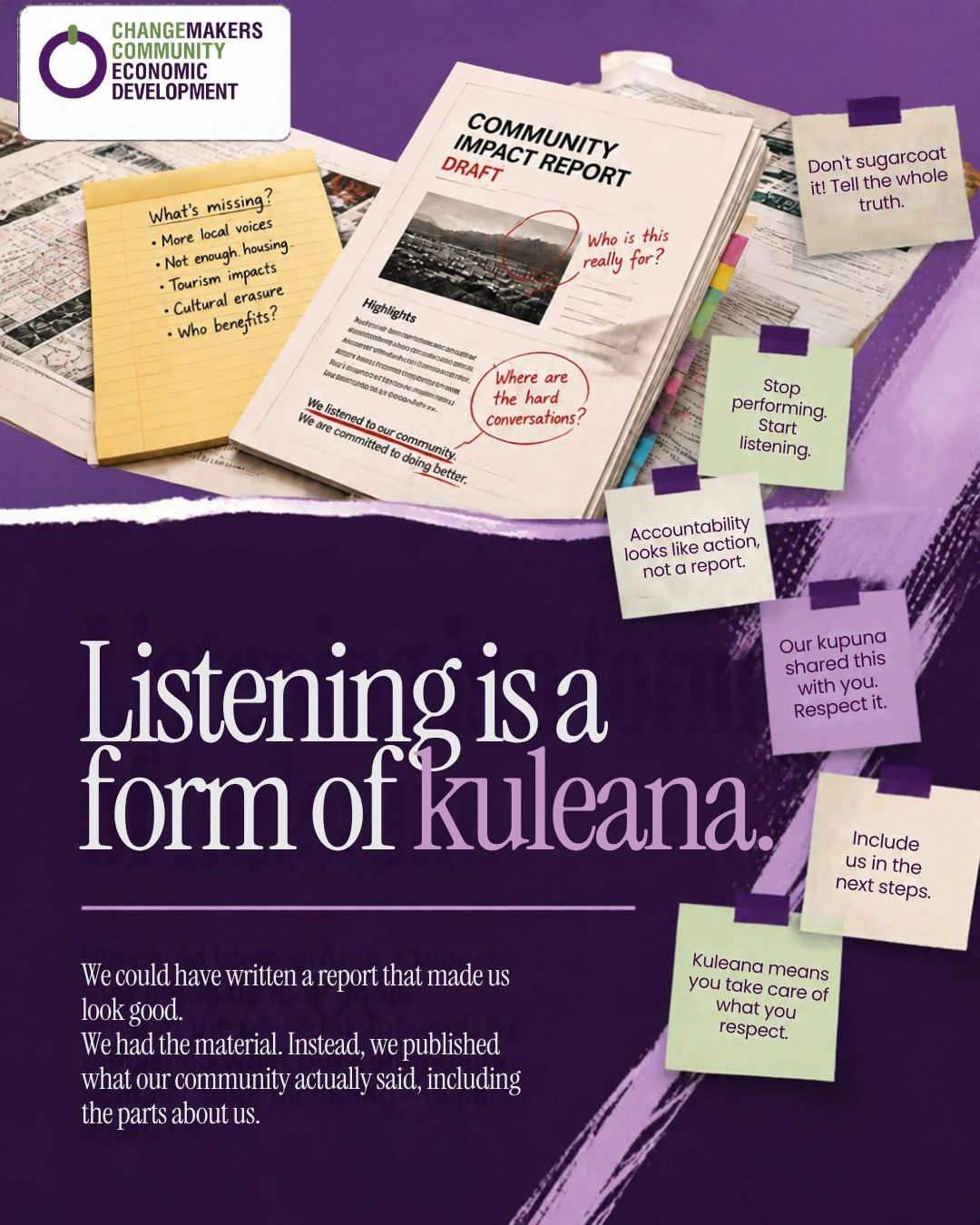
This sounds strong. But how do we know it is true?
That question stayed with us.
Because persuasion is easy. Trust is not.
A case for support does more than invite funding. It sets expectations. It makes promises, whether we intend it to or not, about what will happen, who will be involved, and what outcomes matter.
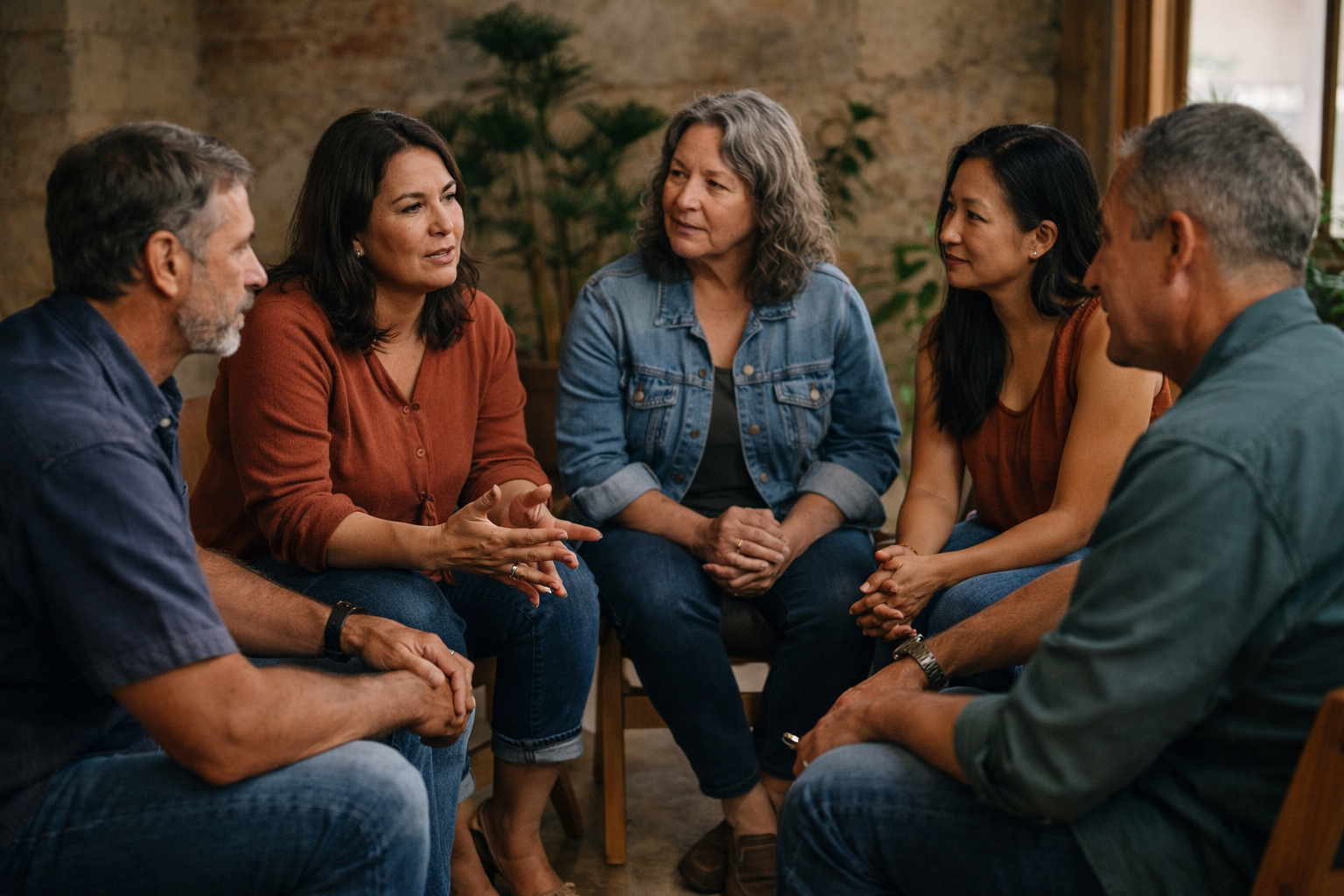
That is why accountability has to be built into it from the beginning.
Within Philanthropono, that accountability runs in two directions:
To donors, through transparency.
To communities, through integrity.
A strong case for support is not just something you present once. It is something you return to again and again to measure progress, communicate honestly, and stay grounded in what was said at the start.
4. It shapes the relationship between people and capital
By then, we had stopped thinking about our case for support as a pitch.
A pitch is usually designed to close a financial gap.
But this work asks for more than money. It asks for participation, trust, and shared ownership.
That means a case for support also shapes how donors understand their role.
Are they funding a project?
Supporting an organization?
Or participating in something being built collectively?
The answer often lives in what the case centers and what it leaves out.
5. It stays responsive over time
When we finally returned to rewriting the case, the process felt different.
Slower. More intentional. More honest.
We were not just choosing better language. We were making better decisions.
And we knew this version would not be the last.
A case for support should never be static. It should evolve as communities share more, strategies adapt, and conditions change.
Not because the work lacks clarity, but because real work stays rooted in reality.

What we carry forward
We now understand that a case for support is not just about making the ask.
It is about doing the work that makes the ask worthy of trust.
At its best, it answers more than:
Why should someone give?
It also answers:
Are we aligned with the people we serve?
Are we clear about how change happens?
Are we prepared to be accountable for what we say?
That shift changes everything.
A final reflection
As we prepared to share our new case for support, one thought stayed with us:
This is not just what we are asking people to support. It is what we are willing to stand behind.
And that changes everything.
Join us in building what comes next
If this way of working resonates with you, we invite you to take the next step.
The Philanthropono Course is designed for Indigenous professionals and changemakers who want to strengthen their fundraising skills while staying grounded in culture, community, and relationship.
The Philanthropono Network of Indigenous Professional Fundraisers offers a space to stay connected through mentorship, shared learning, and collective growth.
Because this work was never meant to be done alone.
DISCOVER MORE