
What It Means to Keep Showing Up:



PAST PODS




Indigenous-Led Nonprofits in a Time of Growing Need
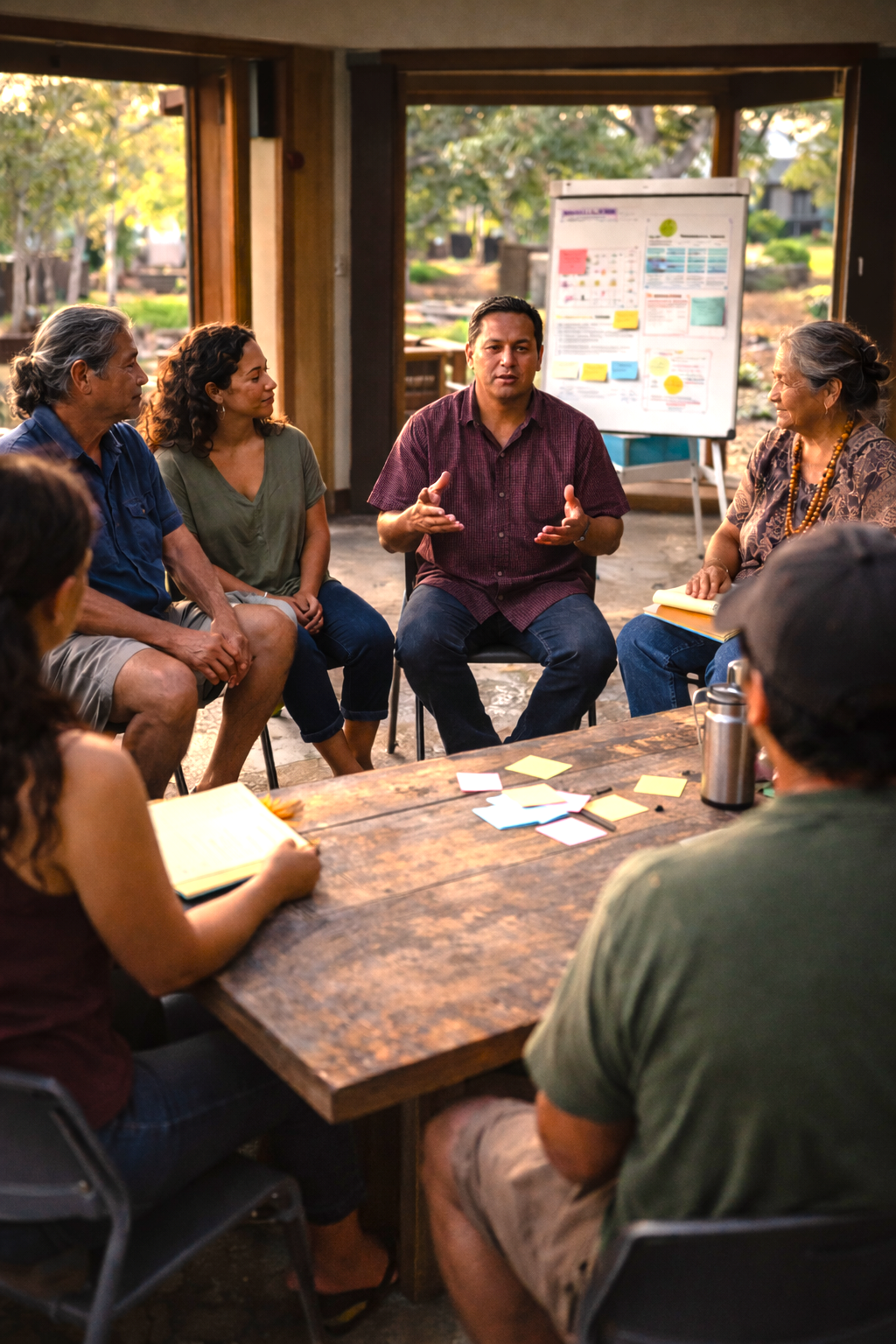
Right now, Indigenous-led nonprofits are being asked to do more than ever—while receiving only a fraction of the resources needed to sustain their work. Across the United States, for every $100 given by philanthropy, only about 10 cents reaches Indigenous communities, a stark disparity that continues to shape what is possible for organizations rooted in these communities (Native Americans in Philanthropy, 2019).
And still, they show up.
They show up for families needing housing, food, and mental health support. They show up for communities working to protect culture, strengthen identity, and pass forward knowledge. They show up not because the work is easy, but because the work is necessary.
The challenge is that while the need continues to grow, the resources often do not.
For years, Indigenous communities have received only a tiny fraction of philanthropic funding. That gap has real consequences. It affects how many people can be served, how quickly support can be offered, and how sustainable this work can be over time.
This story is grounded in the lived experiences of 88 nonprofit leaders who identify as American Indian, Alaska Native, and/or Native Hawaiian and Pacific Islander, whose voices are reflected in the 2025 State of the Nonprofit Sector Survey (Nonprofit Finance Fund, 2025). Their responses point to a sector deeply rooted in culture and community, while also navigating serious financial and operational strain.
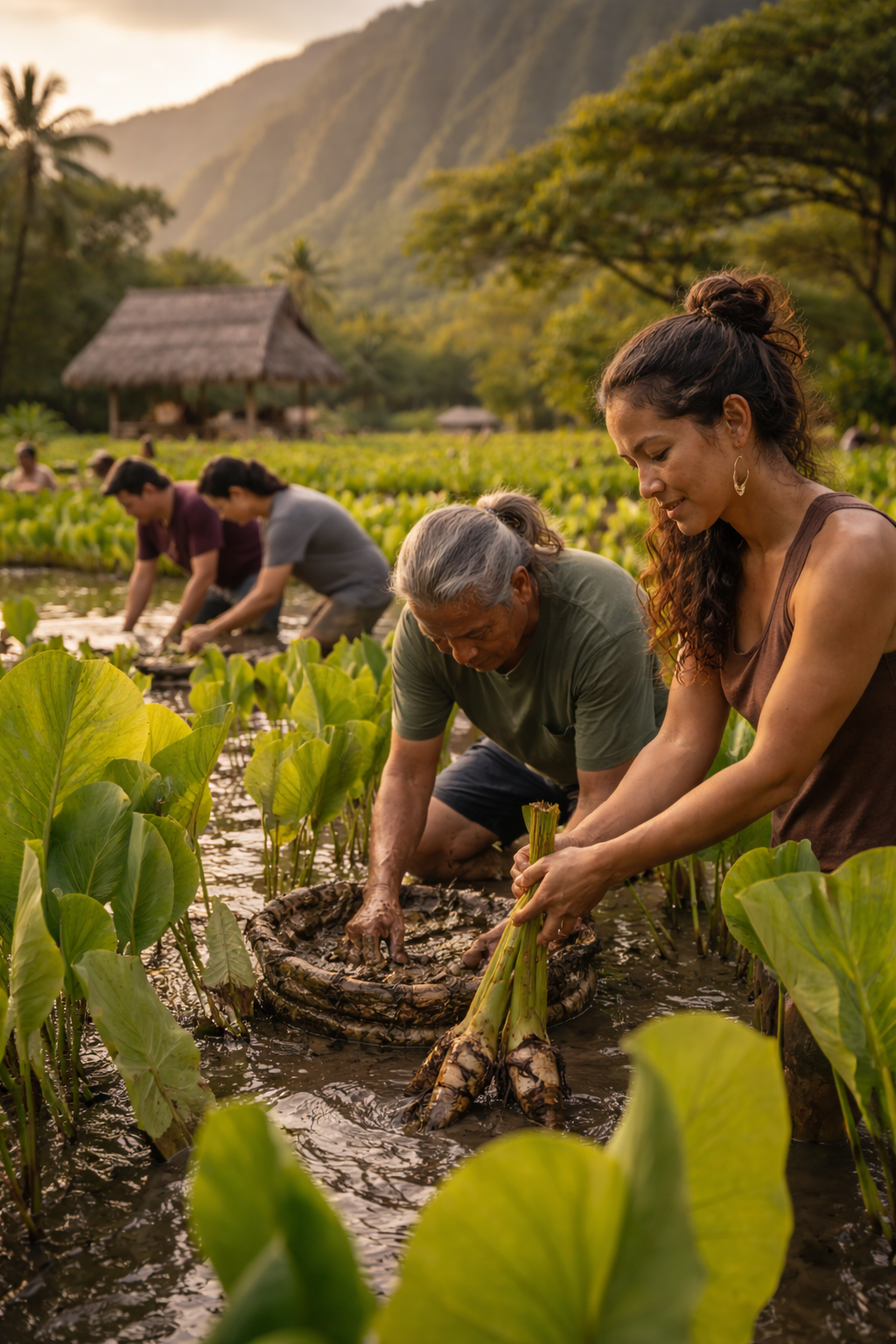
Across these organizations, demand for services is rising at a pace that outstrips available capacity. Nearly all respondents reported that demand increased in 2024, and more than half shared that they were unable to fully meet that demand (Nonprofit Finance Fund, 2025). This widening gap is not simply operational; it reflects real moments in which individuals and families must wait for support, or where organizations must make difficult decisions about how far limited resources can stretch.
A significant portion of these organizations are based in Hawaiʻi, which accounts for 41% of respondents in the survey (Nonprofit Finance Fund, 2025). In these communities, nonprofit work is inseparable from ʻāina, culture, and relationships. Organizations are not simply delivering services; they are preserving ʻike, strengthening identity, and addressing systemic challenges through culturally grounded approaches. Their work is shaped by proximity, trust, and a deep understanding of community needs.
And much of this work is being carried by very small teams.
The majority of organizations report having fewer than five full-time staff members, meaning that a limited number of individuals are responsible for sustaining programs, managing operations, and maintaining relationships that are essential to community trust (Nonprofit Finance Fund, 2025). While staff turnover remains relatively low, reflecting strong commitment, the cumulative weight of rising demand, limited staffing, and high costs of living is creating ongoing strain.
Their commitment is remarkable. But commitment alone does not remove the pressure.
Financial realities further complicate this landscape. While many organizations rely on individual donors and foundations, these funding streams often do not align with the full cost of delivering services. More than half of respondents indicated that funding is not keeping pace with inflation, and many reported that individual donations are insufficient to fill critical gaps (Nonprofit Finance Fund, 2025). Government funding introduces additional complexity, with delayed payments and administrative burdens that can disrupt already fragile cash flow.
These conditions contribute to a broader sense of financial vulnerability, where just over half of organizations report having reserve funds, and many operate with only a few months of cash on hand (Nonprofit Finance Fund, 2025). In this context, sustainability becomes an ongoing negotiation rather than a stable foundation.
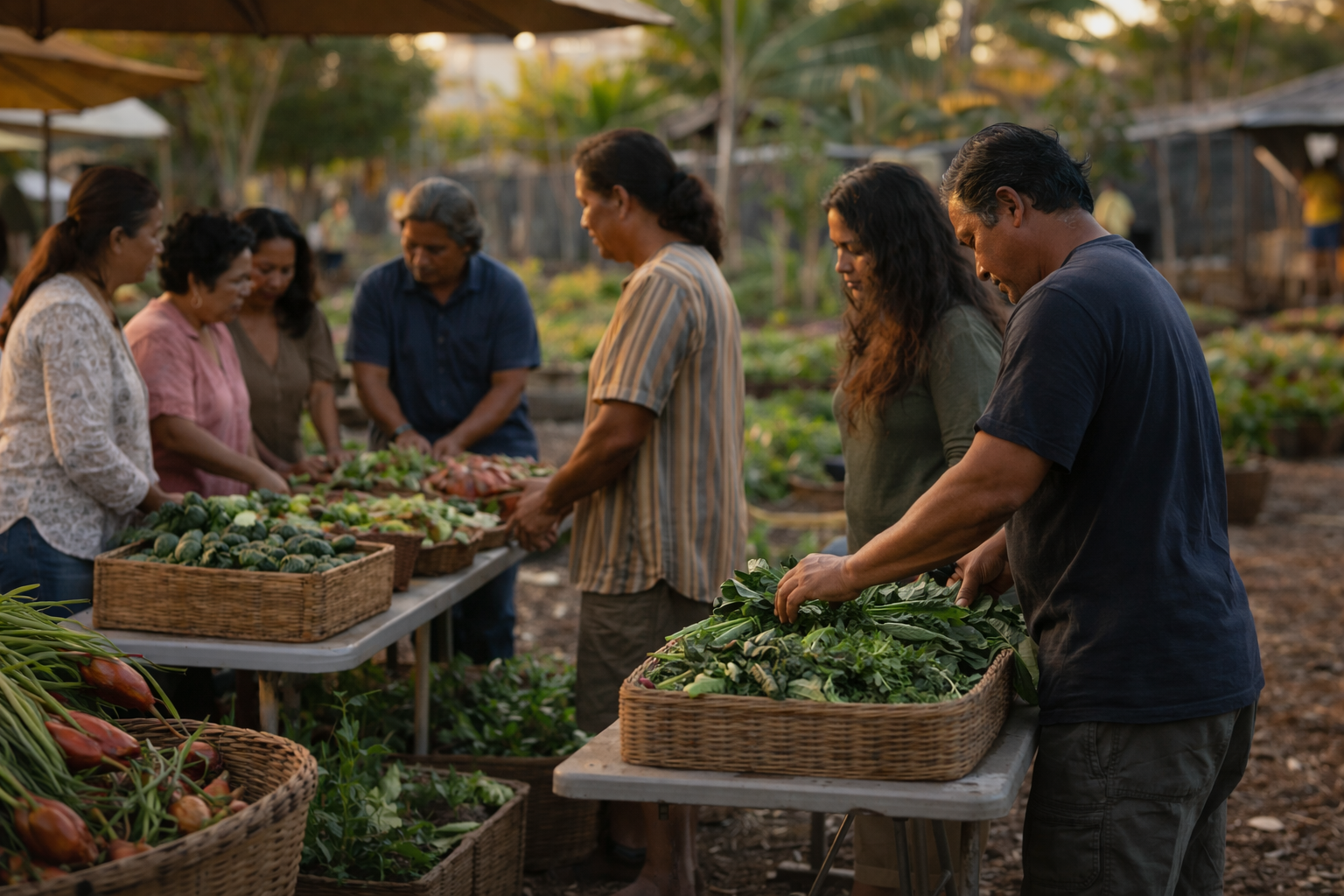
And yet, despite all of this, these organizations continue to adapt, expand, and lead.
Within these challenges lies a profound strength. Leadership across these organizations is deeply connected to community, with all leaders identifying as people of color and many sharing lived experience with those they serve (Nonprofit Finance Fund, 2025).
This is leadership grounded in accountability, cultural knowledge, and long-term commitment, shaping decisions that reflect not only organizational goals but community realities. Their work is rooted in something deeper than strategy alone. It is rooted in lived experience, cultural knowledge, accountability, and long-term commitment to community. These leaders understand the realities their communities face because they are part of them.
The needs these organizations are responding to, affordable housing, mental and behavioral health services, financial stability, and food security, are urgent and interconnected (Nonprofit Finance Fund, 2025).
Meeting those needs will take more than short-term fixes. It requires sustained investment in community-led solutions that are culturally grounded and built to last.
What becomes clear is that Indigenous-led nonprofits are not standing still. Many have expanded programs, engaged more deeply with community feedback, and continued to adapt despite constraints (Nonprofit Finance Fund, 2025). Their work reflects resilience, but it also underscores a critical truth: resilience alone cannot carry the weight of systemic underinvestment.

The question moving forward is not whether these organizations are capable; they have already demonstrated that they are, but whether the systems around them will evolve to meet this moment. This includes rethinking how funding is distributed, increasing access to flexible and multi-year support, and recognizing the value of leadership rooted in lived experience and cultural knowledge. Because resilience should not be mistaken for unlimited capacity.
Indigenous-led nonprofits continue to embody a principle long understood within their communities: that care is collective, and responsibility is shared. They show up every day with that understanding. The opportunity now is for the broader philanthropic ecosystem to do the same.
These organizations continue to show up every day with care, vision, and responsibility to community. It is time for the systems around them to show up, too.
Ready to strengthen your fundraising practice in a way that reflects your values and your community?
The Philanthropono Course is now enrolling. This culturally grounded training is designed to help participants build real fundraising skills rooted in Indigenous values and community-centered practice.
When you enroll, you also gain access to the growing Philanthropono Network of Indigenous Professional Fundraisers—a national community of peers committed to doing this work in a way that is both effective and deeply aligned.
Build a fundraising practice that reflects who you are.
DISCOVER MORE