
Cooperative Power for Food Sovereignty

PAST PODS



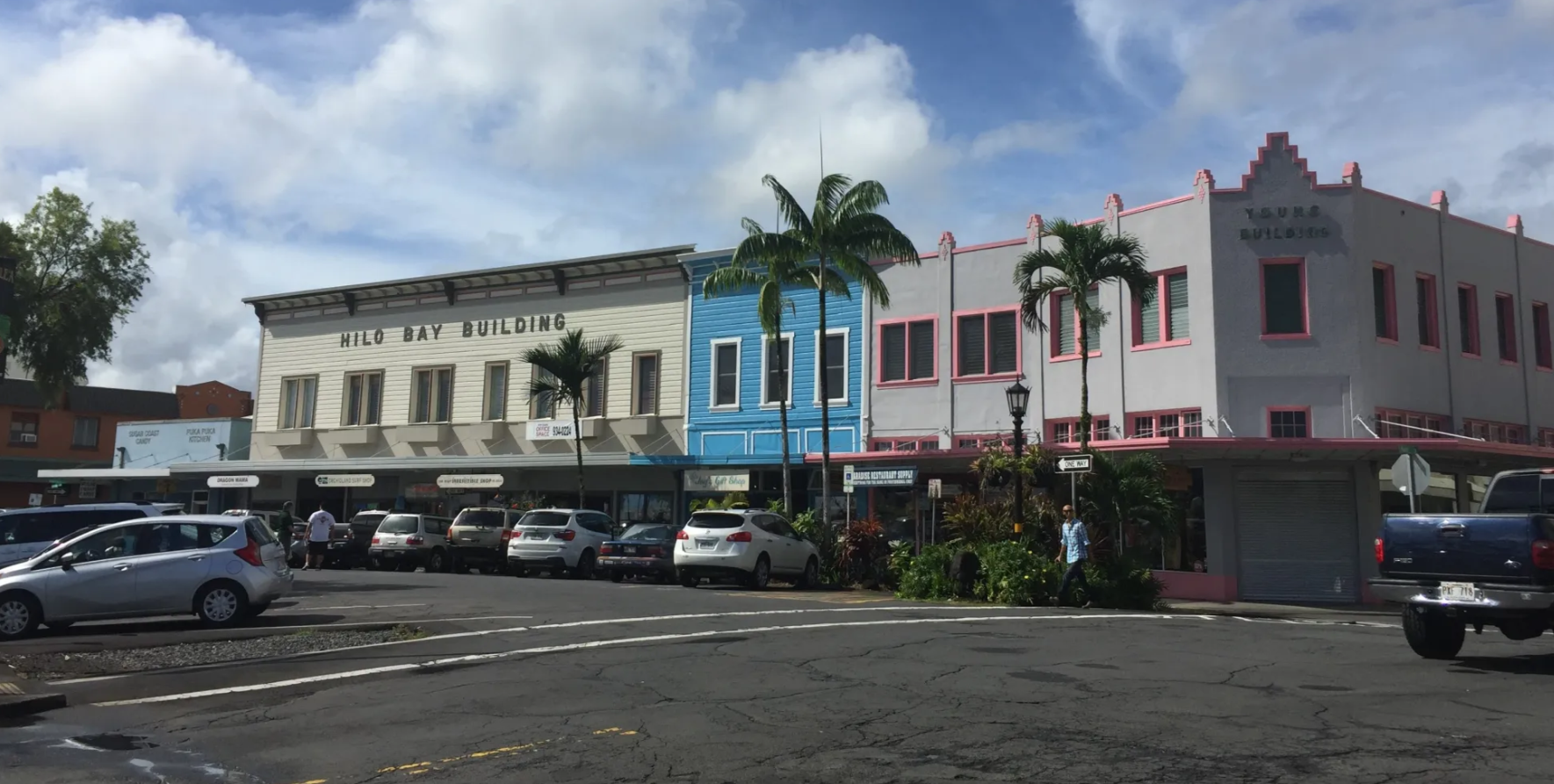
In Hawaiʻi, small business is not small. It is the backbone of our local economy, the heartbeat of our communities, and for many ʻāina-based entrepreneurs, one of the clearest paths toward food sovereignty.
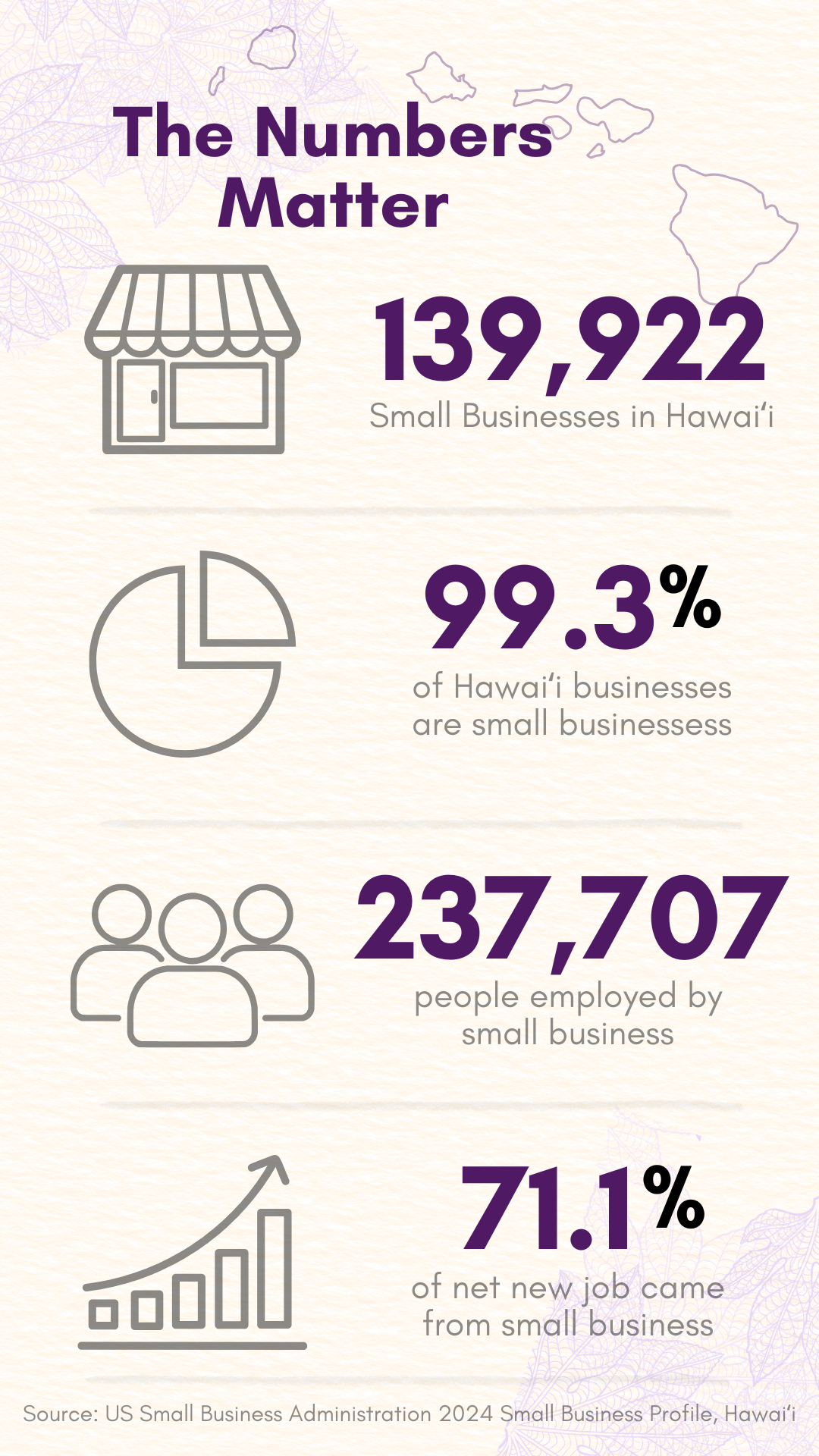
According to the 2024 U.S. Small Business Administration profile, Hawaiʻi is home to 139,922 small businesses, representing 99.3% of all businesses in the state. These businesses employ 237,707 people, more than half of Hawaiʻi’s workforce. Between March 2022 and March 2023, small businesses also contributed a net increase of 12,984 jobs, accounting for 71.1% of Hawaiʻi’s total net job growth during that period.
So when we talk about the future of Hawaiʻi’s food system, we are not talking about a side issue. We are talking about the people who grow, prepare, move, sell, and share food across our islands. We are talking about entrepreneurs who are already carrying the work of resilience on their backs.
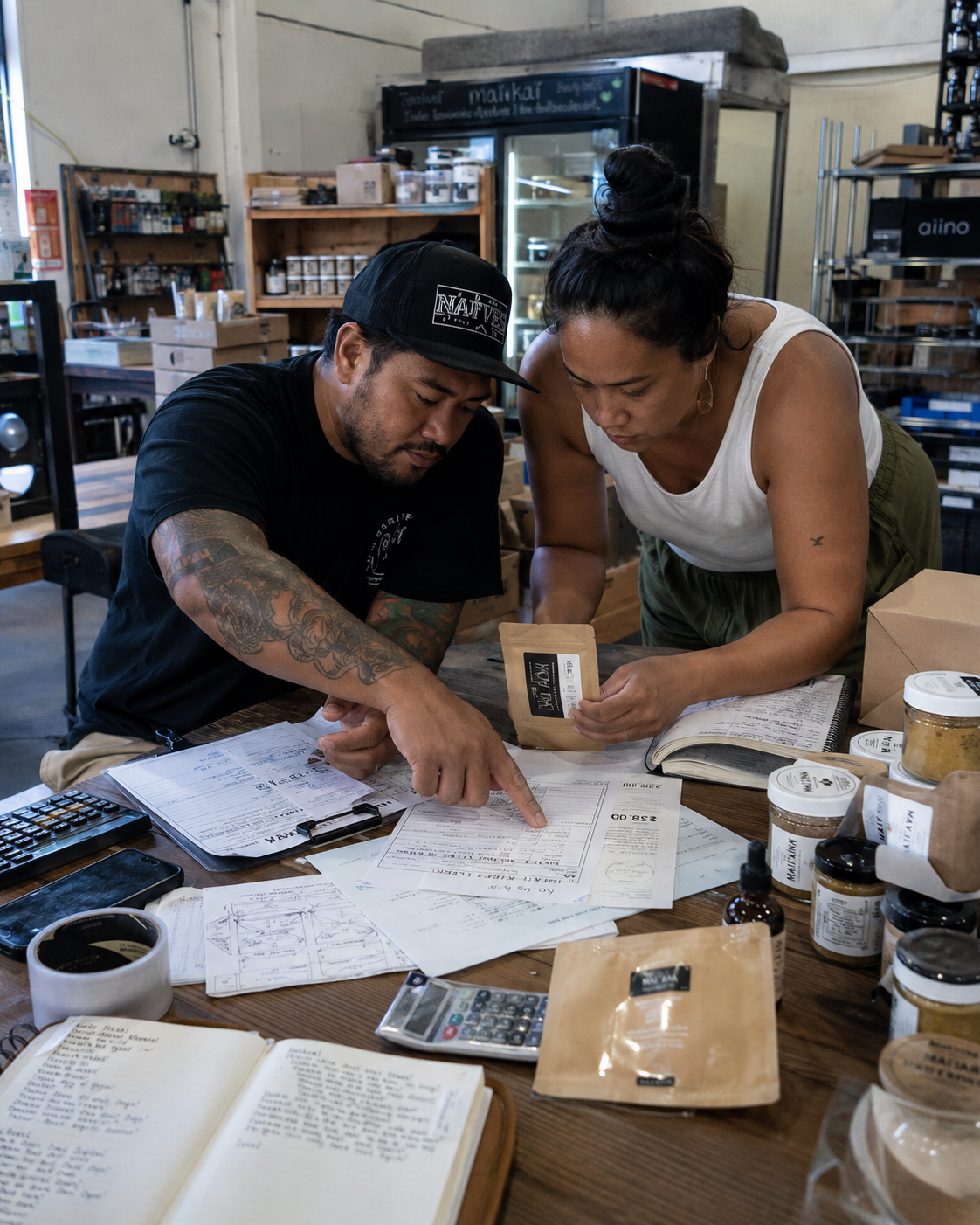
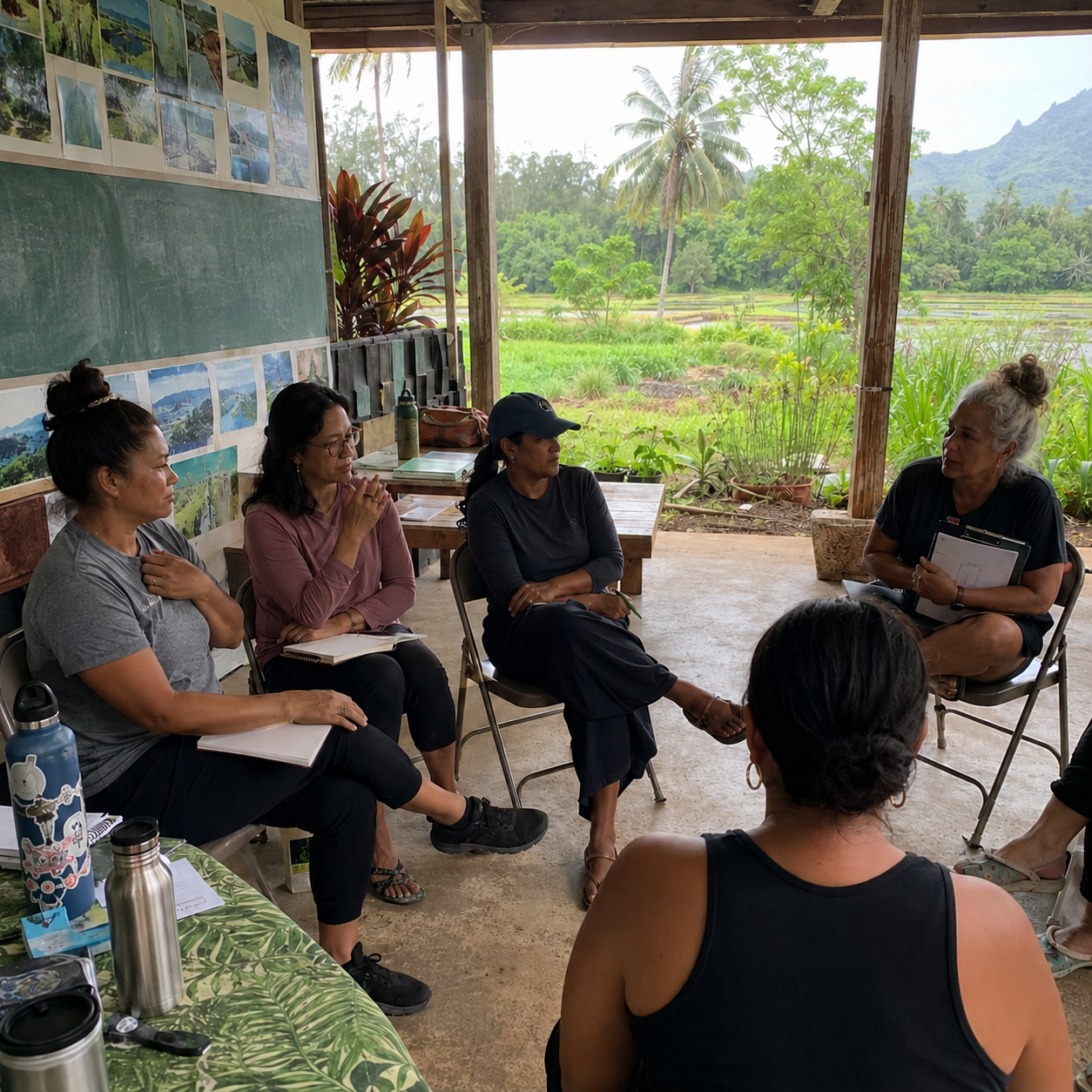
At Changemakers Hawaiʻi, we see this every day through our ʻĀinapreneur Small Business Program, which supports ʻāina-based entrepreneurs who are building businesses rooted in land, culture, community care, and long-term resilience.
ʻĀinapreneurs are more than small business owners. They are farmers, food producers, makers, cultural practitioners, value-added product creators, and land-based innovators working to restore Hawaiʻi’s relationship to food, ʻāina, and local ownership. Many are not simply trying to launch a business; they are trying to build a different kind of economy — one where profit does not come at the expense of people, place, or cultural responsibility.
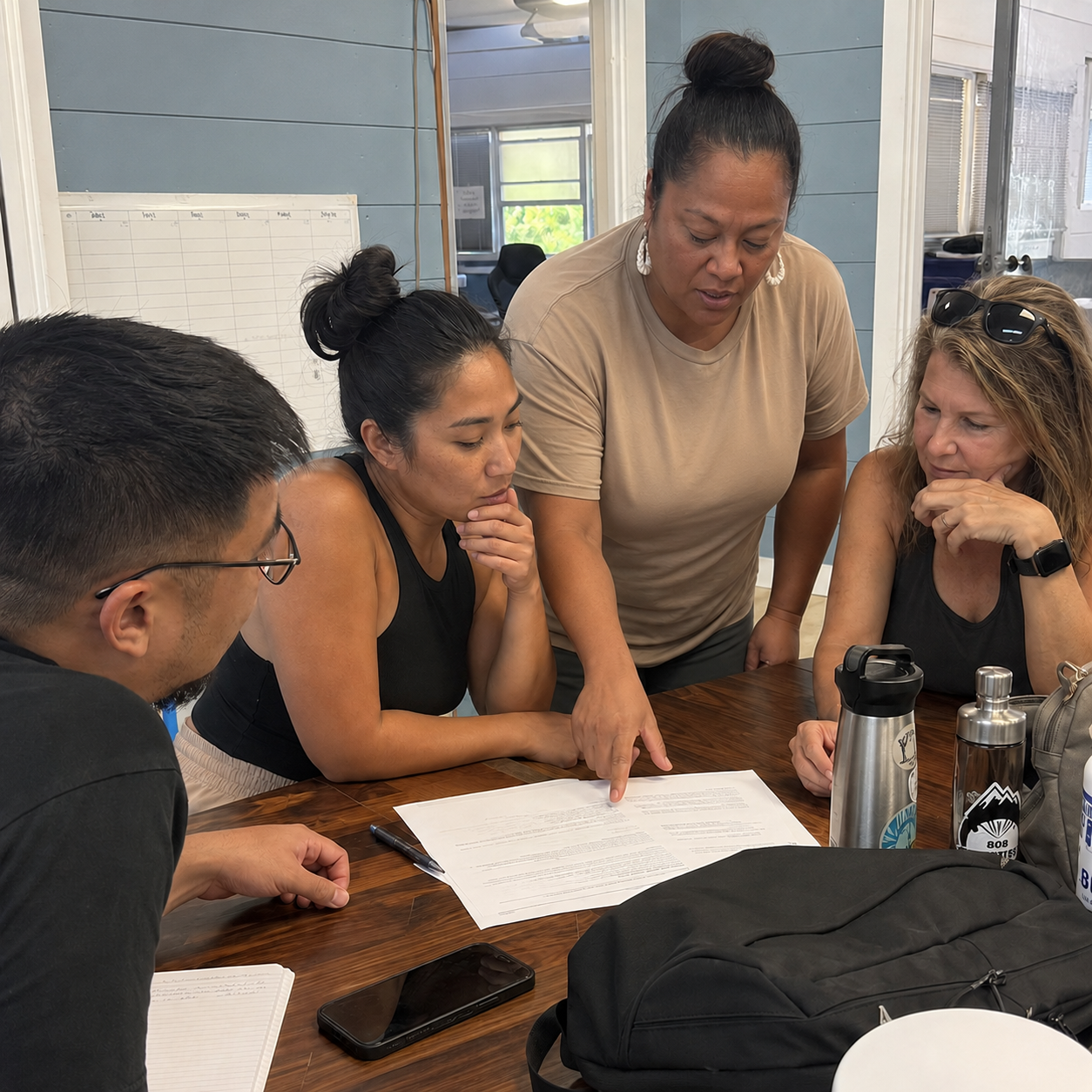
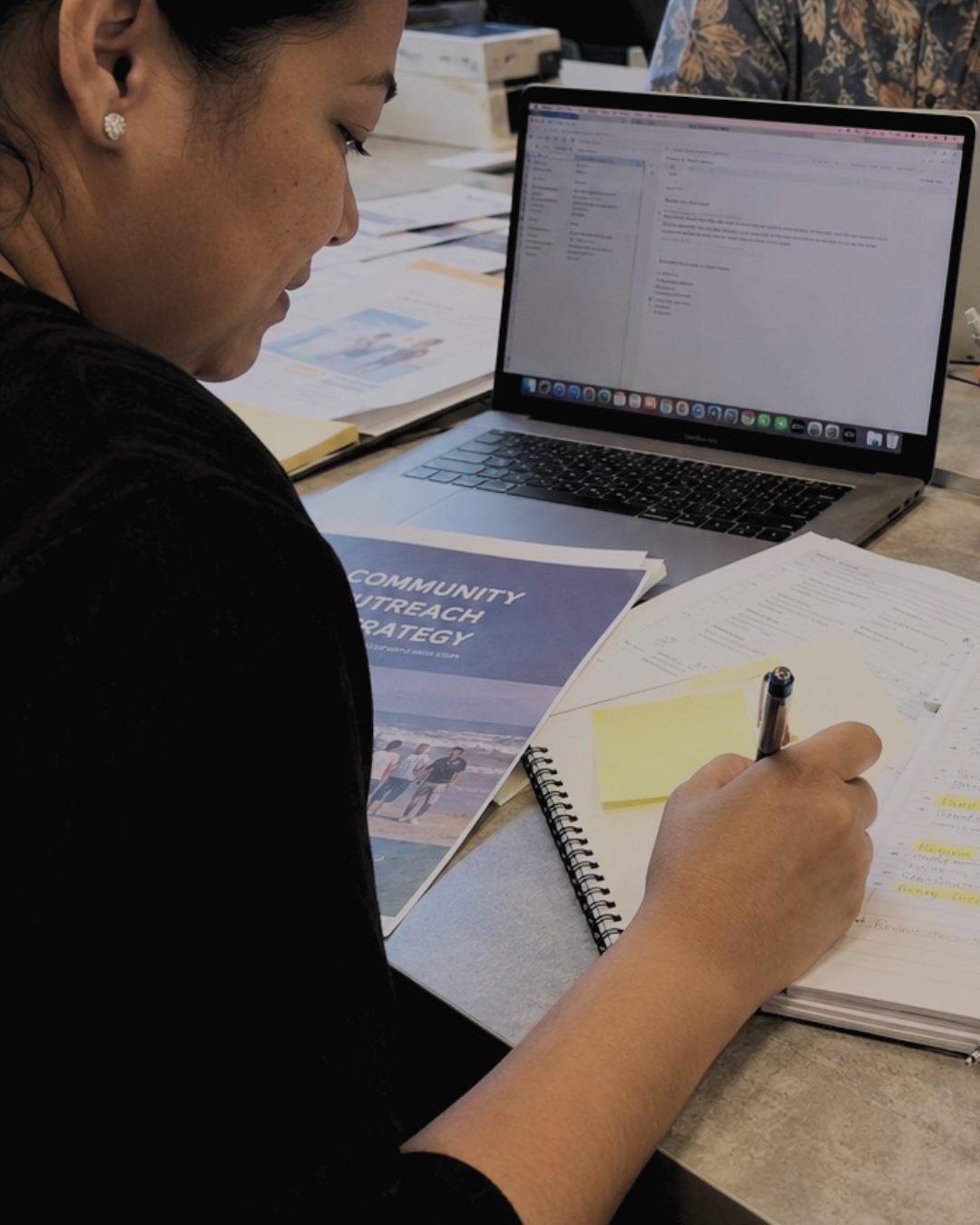
Through the program, Changemakers Hawaiʻi walks alongside these entrepreneurs with culturally grounded business support, technical assistance, coaching, access to community capital pathways, and a relationship-first approach that honors the realities of building enterprise in Hawaiʻi.
They are not asking for shortcuts.
They are asking for a fair chance to survive and scale inside systems that too often reward extraction over regeneration.
That is not an oversight. That is a policy failure.
Capital Is Not Just Money. It Is Relationship.
At Changemakers Hawaiʻi, we understand capital differently.
Capital is not just a transaction pushed across a table and measured only by repayment. Capital is relationship. It is stewardship. It is an ongoing responsibility to the people, places, and futures that money touches.
That belief shapes our work with ʻĀinapreneurs, and it should also shape the laws that determine whether local entrepreneurs can organize, govern, borrow, and grow together.
Through the ʻĀinapreneur Small Business Program, we support entrepreneurs who are often doing many things at once: growing food, creating products, managing operations, caring for ʻohana, stewarding land, navigating markets, and trying to build businesses that reflect Native Hawaiian values. These entrepreneurs are not operating in ideal conditions. They are working inside systems marked by high costs, limited infrastructure, uneven access to capital, and laws that do not always support collective solutions.

As an Emerging Native CDFI, we see how community capital can unlock possibility when it is structured with trust, accountability, and cultural grounding. Our pathways are designed to move resources in ways that honor dignity and strengthen long-term resilience.
That is why this conversation is inseparable from capital. Through our emerging community capital pathways, including SFO and SixP loans, we can help entrepreneurs access resources.
But capital alone cannot solve structural barriers.
We can provide coaching. We can support access to financing. We can help entrepreneurs build stronger business models. We can walk with them as they strengthen operations, clarify markets, prepare for growth, and make decisions rooted in both business viability and aloha ʻāina.
Yet if the legal frameworks around cooperative enterprise remain outdated and fragmented, we are asking entrepreneurs to build a regenerative economy with tools that were never designed for the communities they serve.
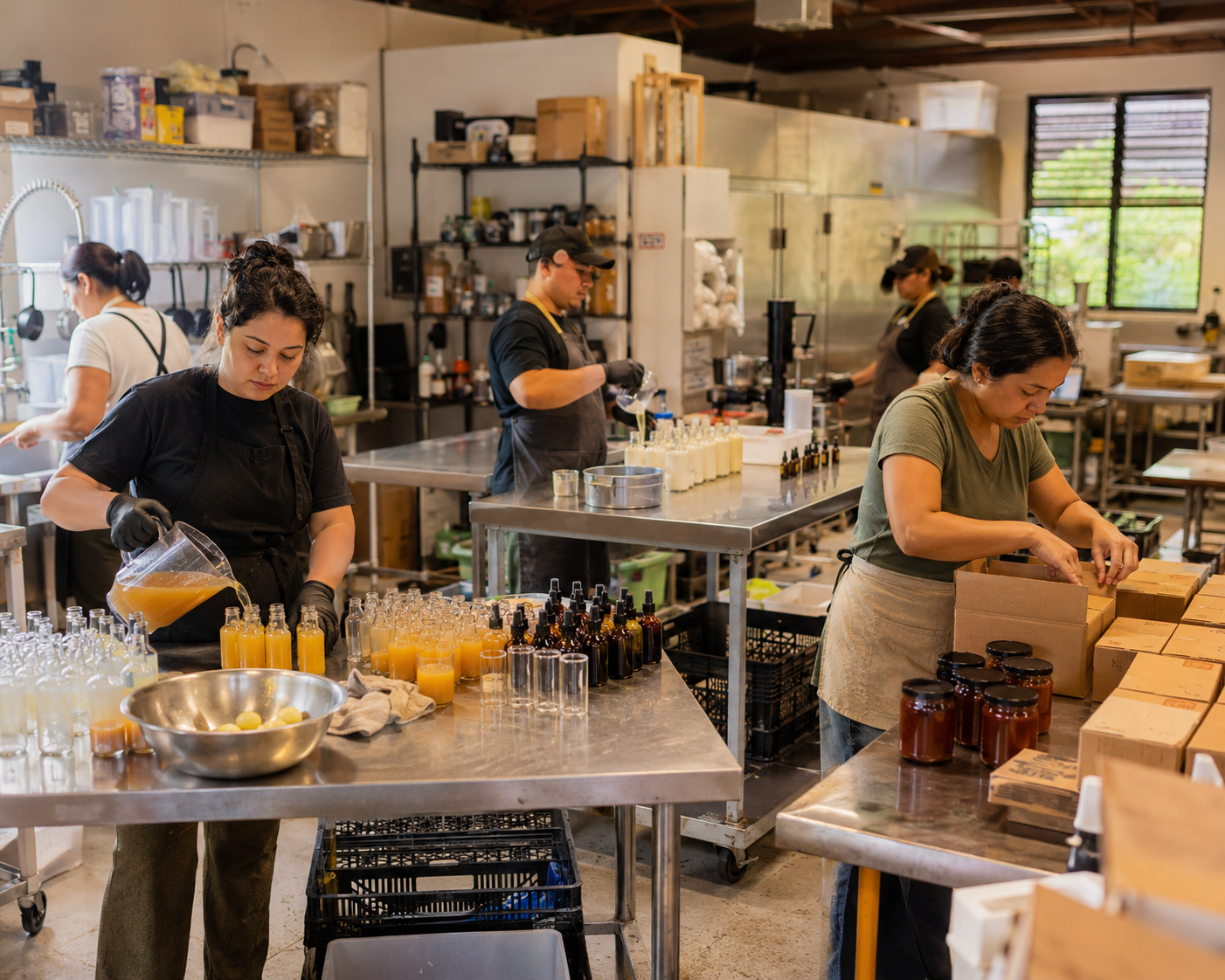
Imagine what becomes possible when ʻĀinapreneurs can pair values-aligned capital with modern cooperative structures. Farmers could share equipment instead of each carrying the full cost alone. Food producers could co-own processing or cold storage. Makers could purchase supplies collectively. Land-based businesses could aggregate products, reach larger contracts, and build market power together.
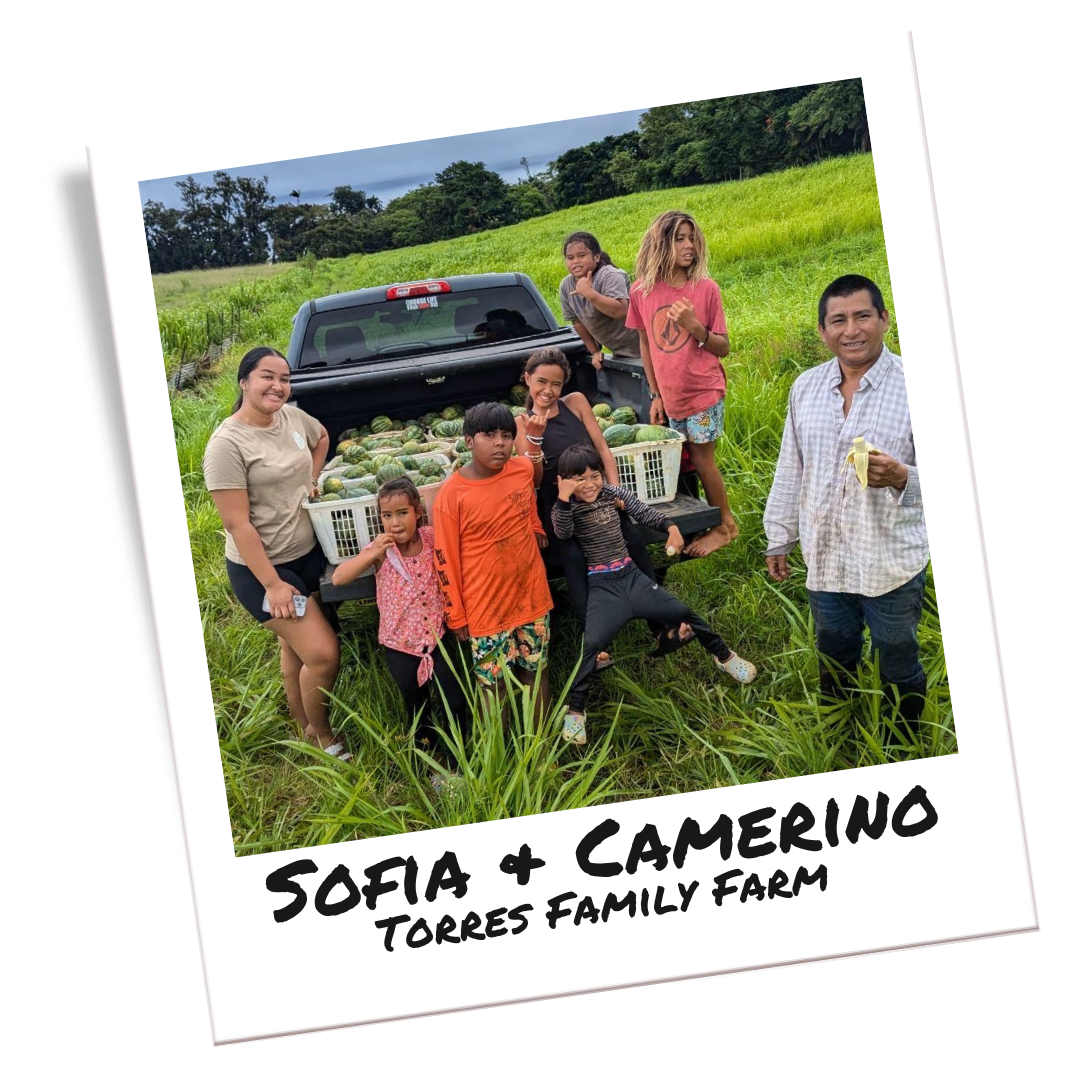
That is where community capital begins to multiply.
Not just one loan to one business.
But capital moving through relationships, shared infrastructure, collective ownership, and community benefit.
That has to change.
The Law Is Lagging Behind the People Doing the Work
Hawaiʻi’s cooperative statutes remain too narrow and fragmented for the kind of community-centered economy our entrepreneurs are already trying to build.
Through the ʻĀinapreneur program, we support growers, makers, and land-based business owners who understand that food systems are not isolated transactions. They are webs of labor, kinship, processing, transportation, stewardship, market access, and shared survival.
Yet Hawaiʻi’s current cooperative laws still force collective enterprise into rigid categories that do not match the lived realities of our communities.
Right now, cooperative development is split across separate statutory lanes:
HRS 421, Agricultural Cooperative Associations: useful in some cases, but too narrow for the multi-stakeholder structures many ʻāina-based enterprises need.
HRS 421C, Consumer Cooperative Associations: a path for consumer ownership, but not a strong fit for worker-owned, producer-owned, or hybrid regenerative food enterprises.
HRS 421H, Limited Equity Housing Cooperatives: important in its own right, but separate from the urgent work of rebuilding local food systems.
This may sound technical, but it is deeply practical.
When entrepreneurs want to share equipment, co-own processing facilities, aggregate products, purchase supplies together, or build market pathways as a collective, the law should make that easier. Instead, it often forces them into structures that do not reflect how local economies actually function.
For Hawaiʻi’s ʻāina-based entrepreneurs, cooperation is not a nice idea. It is a survival strategy.
The Data Makes the Case Even Stronger
The SBA’s 2024 profile makes one thing very clear: Hawaiʻi’s economy depends on small businesses. Small businesses make up nearly every business in the state and employ more than half of Hawaiʻi’s workers.
The profile also shows that Hawaiʻi has 1,863 small businesses in agriculture, forestry, fishing, and hunting, and 2,563 small businesses in manufacturing. These sectors may appear small on paper, but they are deeply connected to the infrastructure of local food: growing, harvesting, processing, packaging, value-added production, distribution, and market access.
And while lending is happening, access to the right kind of capital remains critical. In 2022, reporting banks issued $343.5 million in loans to Hawaiʻi businesses with revenues of $1 million or less. Total reported new lending through loans of $100,000 or less reached $491.1 million, while lending through loans of $1 million or less reached $1.1 billion.
The question is not simply whether money is moving.
The question is whether capital is reaching the entrepreneurs who are building the future Hawaiʻi says it wants: more local food, stronger rural economies, more resilient supply chains, and businesses rooted in aloha ʻāina.
Without modern cooperative laws, community capital cannot travel as far as it should. It cannot fully support shared ownership, shared infrastructure, shared risk, or shared market power.
That is why SB2922 and HB2404, the General Cooperative Associations Act, matter. These bills point toward a legal framework that better reflects how local communities already work: flexible, democratic, relationship-based, and capable of bringing multiple stakeholders into one structure.
Cooperation Turns Values Into Infrastructure
We do not need to romanticize cooperation to defend it. We simply need to pay attention to what works.
When producers have shared governance, stable market structures, and values-aligned growth, they gain room to breathe. They gain room to plan. They gain room to stay in relationship with land and community instead of making every decision from crisis.
That matters for the entrepreneurs we serve.
Many are carrying thin margins, unpredictable markets, rising costs, and the weight of trying to build something ethical inside systems that were never designed for Native Hawaiian-centered enterprise.
Encouragement is not enough.
They need structures.
They need shared cold storage.
They need cooperative processing.
They need distribution systems.
They need collective purchasing power.
They need legal tools that allow them to collaborate without constantly reinventing the wheel.
Most of all, they need policy that understands that food sovereignty is not just about what is grown. It is about who owns the systems that move food from ʻāina to table.
What We See on the Ground
We do not have to imagine whether local people can build cooperative power. We already see the raw material for it in every cohort, every coaching conversation, and every entrepreneur trying to turn ancestral responsibility into a viable enterprise.
We see farmers who need shared infrastructure.
We see food businesses that would be stronger with collective purchasing.
We see land-based producers who could reach larger contracts if they had cooperative processing and distribution systems behind them.
We see entrepreneurs who are not trying to extract from Hawaiʻi, but to feed Hawaiʻi.
This is where modernized law becomes real.
It is the difference between telling people to collaborate and actually giving them the tools to do it well.
It is the difference between isolated hustle and durable infrastructure.
It is the difference between praising resilience and building systems that make resilience less exhausting.
For the entrepreneurs we serve, food sovereignty is not a slogan printed on a banner. It is soil under fingernails after a long day. It is a freezer that keeps product viable. It is a loan that arrives with trust instead of suspicion. It is a governance table where Native Hawaiian values are not decorative, but directive.
Modernized cooperative law could help turn those conditions from scattered exceptions into a stronger system.
What Lawmakers, Funders, and Institutions Must Do Now
If Hawaiʻi is serious about food sovereignty, then cooperative modernization cannot sit on the sidelines.
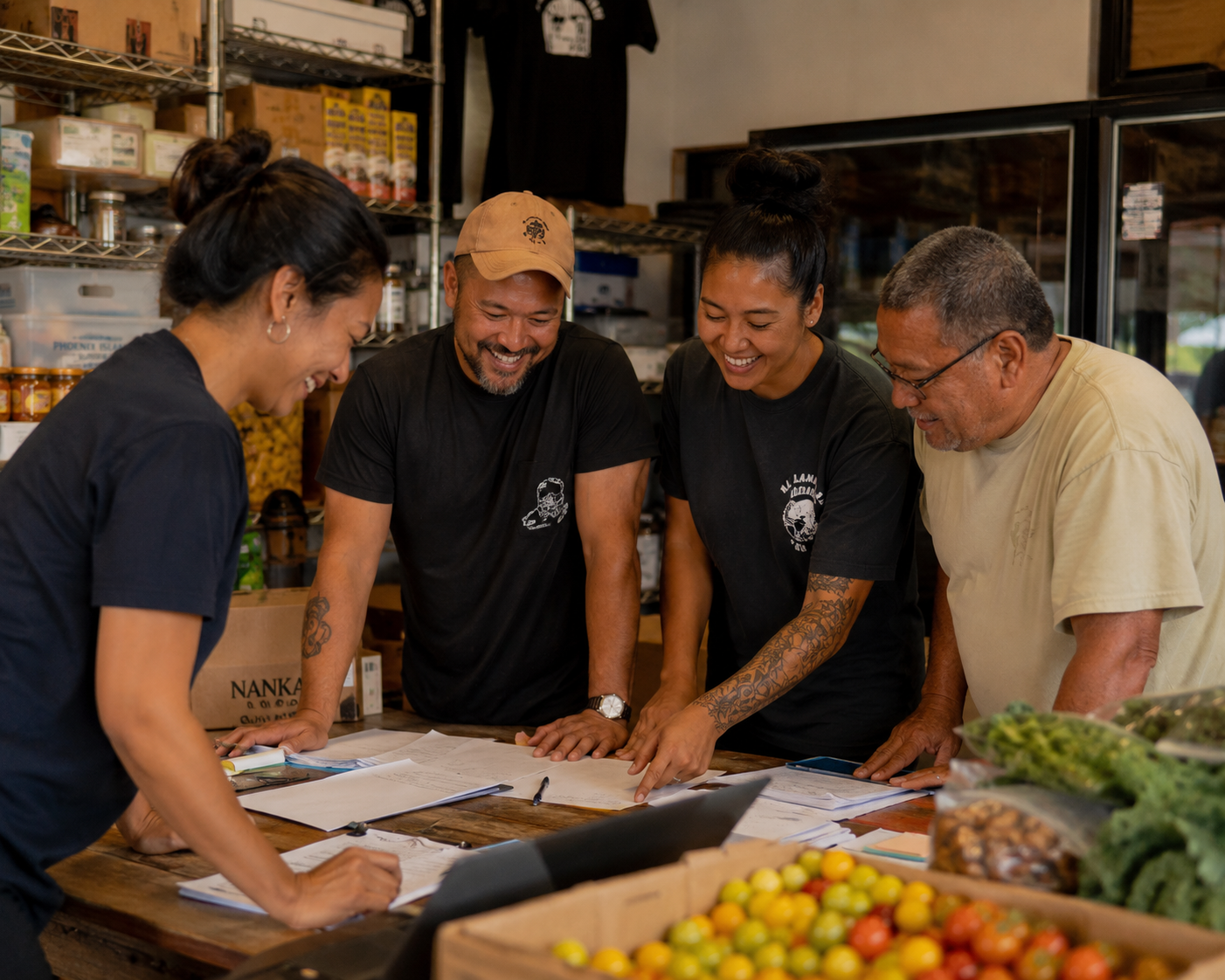
Our ʻāinapreneurs need:
Legal space for multi-stakeholder ownership. Growers, workers, processors, buyers, and community partners all shape whether an ʻāina-based business can survive. The law should allow these relationships to be formalized in democratic, durable structures.
Stronger pathways for shared infrastructure. Many businesses do not struggle because they lack vision. They struggle because they lack access to equipment, aggregation, storage, transportation, processing, and markets.
Structures that work with community capital. As Changemakers Hawaiʻi builds pathways such as SFO and SixP loans, modern cooperative statutes could help that capital go farther by supporting enterprises that share risk and build assets together.
Democratic protections that safeguard mission. Growth should not come at the expense of values. Cooperative law should protect member voice, transparency, accountability, and Native Hawaiian-centered purpose.
Better conditions for stable local markets. ʻĀinapreneurs need dependable buyers, not just inspirational messaging. Schools, hospitals, institutions, and public agencies can play a major role by anchoring local demand.
A Call We Can No Longer Delay
Hawaiʻi cannot talk about food sovereignty while starving cooperative power.
We cannot celebrate small businesses as the backbone of the economy while leaving ʻāina-based entrepreneurs to navigate outdated legal structures alone.
We cannot praise Native Hawaiian-centered enterprise and then force it through frameworks built for another era.
At Changemakers Hawaiʻi, we are asking for cooperative law modernization because we see what is possible. We see entrepreneurs feeding people, restoring land-based practice, creating jobs, and building businesses that answer to ʻāina and community.
They deserve laws that match their courage.
They deserve capital that understands relationship.
They deserve infrastructure that lets them thrive together, not struggle alone.
If we believe capital is a relationship, then our laws should protect relationships.
If we believe stewardship matters, then our legal structures should reward stewardship.
If we believe Native Hawaiian-centered enterprise is essential to Hawaiʻi’s future, then we must stop treating cooperation like an exception.
Let us modernize the law.
Let us back the ʻĀinapreneurs already carrying this future.
Let us practice Philanthropono through policy, capital, and courage.
Want to strengthen regenerative, Native Hawaiian-centered enterprise in Hawaiʻi?
Connect with Changemakers Hawaiʻi to learn how you can be a part of the next ʻĀinapreneur Small Business Program cohort and how emerging community capital pathways are supporting the next generation of ʻāina-based leaders.
DISCOVER MORE