
Carrying ʻŌlelo Into Action
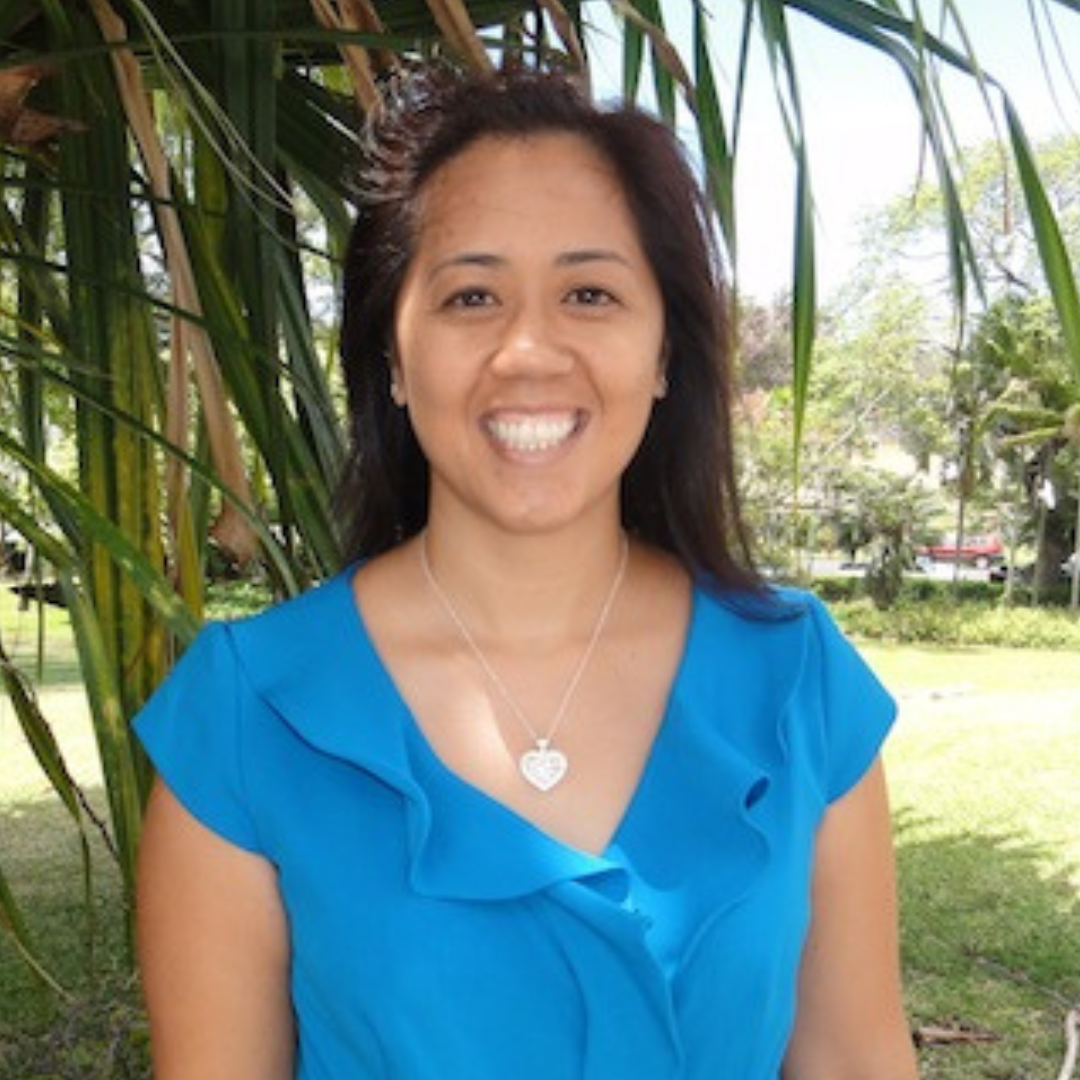
During the Philanthropono Spring 2026 Hōʻike, some presentations ask for funding. Gale Mejia’s presentation asked us to remember what language makes possible.
Representing Ke Kula ʻo Nāwahīokalaniʻōpuʻu, Gale brought forward a case for support that was deeply rooted in ʻŌlelo Hawaiʻi, culture, and the future of the lāhui. Her presentation centered on ʻŌlelo in Action, a project designed to create meaningful pathways for kumu and haumāna to apply language, culture, and knowledge in real-world, professional, and community settings.
Nāwahī serves approximately 550 students across campuses on Hawaiʻi Island, with its main campus in Keaʻau, a satellite campus in Waimea, and an additional satellite in Waiʻanae on Oʻahu. The school carries the name of Joseph Nāwahīokalaniʻōpuʻu, a Native Hawaiian patriot, legislator, newspaper publisher, and educator who championed Hawaiian language literacy, political self-determination, and intellectual sovereignty.
Through Gale’s storytelling, Nāwahī was not presented simply as a school. It was presented as a living continuation of language, identity, governance, and civic leadership. As Gale said in the presentation, “Nāwahī does not simply educate students. We raise the next generation within a living genealogy of language, culture, and community.”
That line captured the heart of Gale’s work.
Her funding plan was practical, thoughtful, and urgent. With a total annual project cost of $375,750 and $75,750 already secured in in-kind support, Gale outlined a $300,000 funding need to fully restore and sustain the program. Her strategy included government grants, foundation support, and community contributions from individual donors, local businesses, alumni, ʻohana, and community partners.
But the real strength of Gale’s presentation was her clarity around why funding diversification matters. Nāwahī has relied heavily on federal funding, and Gale explained that losing federal funds had created a significant impact. Philanthropono helped her focus on the need to diversify support, especially because the school did not currently have private foundations supporting Nāwahī.
Gale’s leadership reflects the kind of courage nonprofit work requires now: the courage to name vulnerability, the courage to build new relationships, and the courage to ask others to invest in work that is already shaping generations.
Her presentation reminded us that when we invest in Hawaiian language education, we are not only supporting a classroom. We are supporting identity, continuity, leadership, and the future voices of our people.
Gale Mejia is a Changemakers hero because she is helping ensure that ʻŌlelo Hawaiʻi is not only preserved, but lived — in schools, in communities, and in the next generation of leaders.
Ready to strengthen your fundraising practice?
The next Philanthropono cohort is an opportunity to build practical fundraising skills while staying rooted in Indigenous values, relationship, and community care.
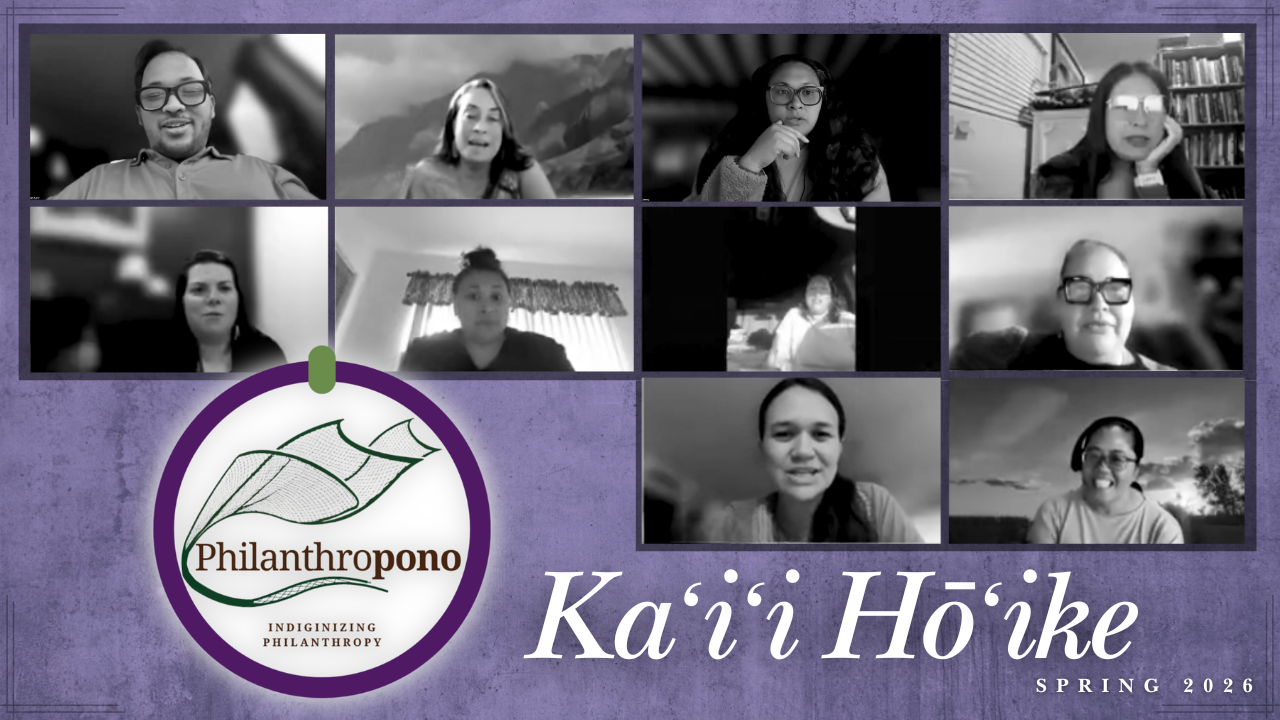
Read more and watch other participants and the entire Spring 2026 Kaʻiʻi Hōʻike presentation.