
The Business We Lose When Small Businesses Close
PAST PODS

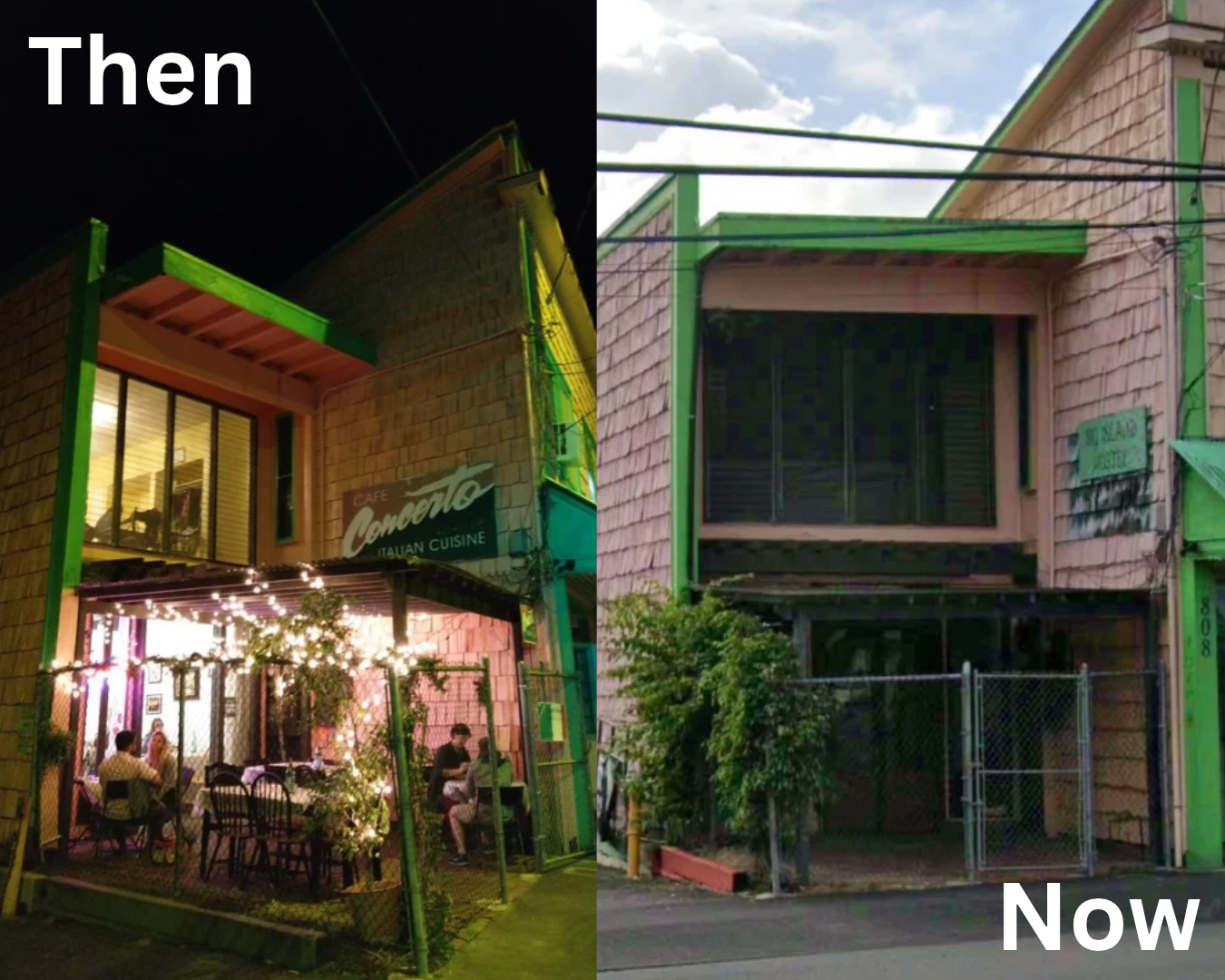
A sign disappears.
The lights are off.
The storefront sits empty.
A social media post announces that after five, ten, twenty, or perhaps forty years, a local business is closing.
We say how sad it is.
We remember what we ordered there.
We share stories.
And then, eventually, another business may move into the space.
But what exactly did the community lose?
Usually, much more than a storefront.
We lose knowledge
Every longtime business develops knowledge.
What customers need.
How seasons affect demand.
Which suppliers are reliable.
How to repair something no manual explains.
Which recipe needs to be adjusted when the weather changes.
Who to call.
What works.
What doesn't.
Some of this knowledge exists in files or computer systems.
Much of it exists inside people.
When a business closes without that knowledge being transferred, a small piece of community knowledge may disappear with it.
We Lose Relationships
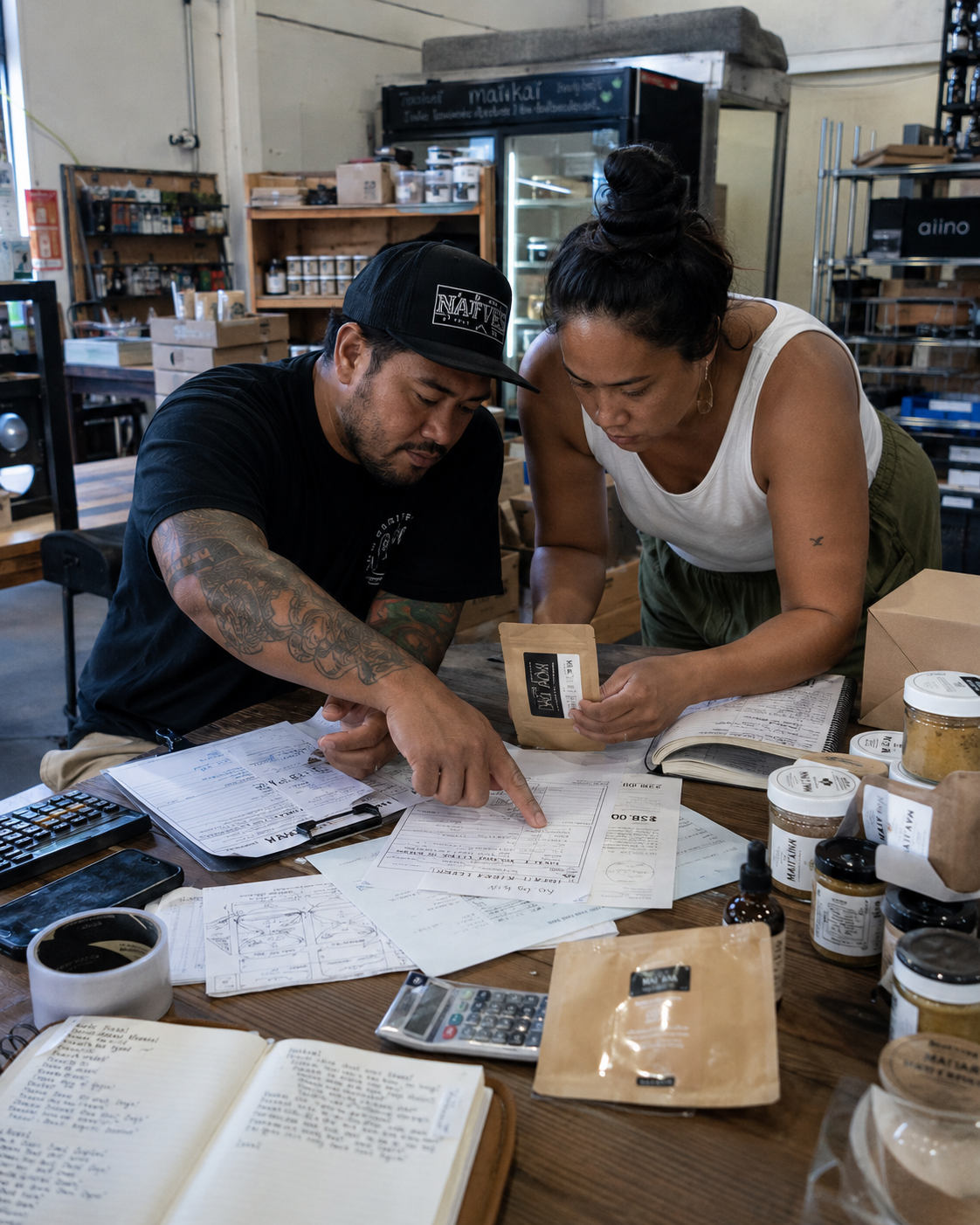
Small businesses are built around relationships.
A customer who has been coming for fifteen years.
A vendor who knows when payment will be a few days late.
An employee who started part-time and became essential.
A landlord willing to work something out.
The business owner who donates every year to the local fundraiser.
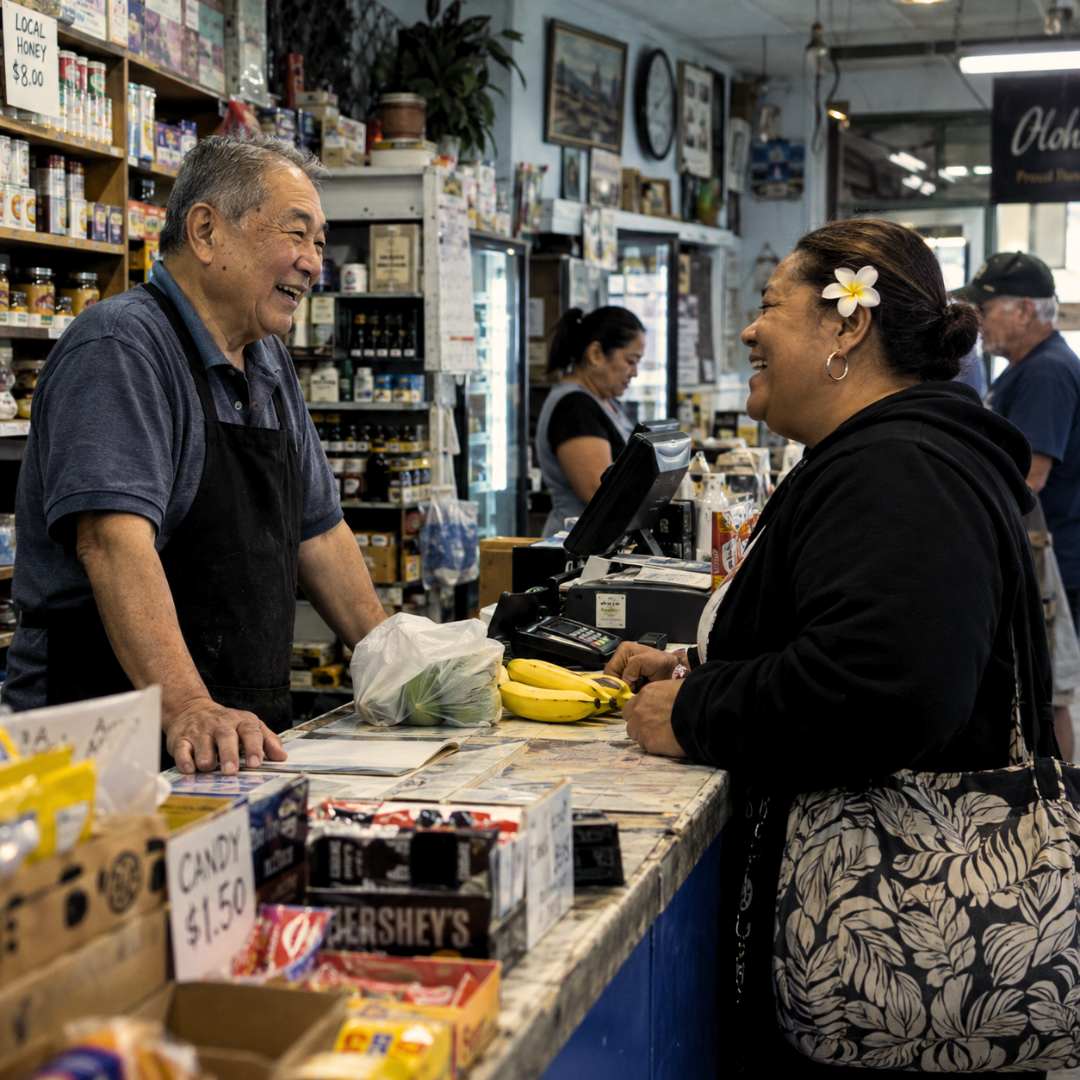
The person behind the counter who knows three generations of the same family.
Those connections rarely appear on a balance sheet.
They still have value.
We Lose Pathways
Small businesses are also places where people learn.
Someone gets their first job.
An employee learns a trade.
A family member learns how the books are managed.
A teenager discovers they are good at working with customers.
A cook eventually starts a food business.
An apprentice becomes a contractor.
One business can quietly launch dozens of other careers.
When businesses disappear, some of those pathways disappear too.
Sometimes a Business Doesnʻt Fail—It Simply Has Nowhere to Go
We tend to assume that if a business closes, something went wrong.
Sometimes that's true.
But many viable businesses close for another reason:
The owner is ready to retire.
Their children have chosen different careers.
No employee can afford to purchase the company.
The lease has changed.
A health issue makes continuing impossible.
The owner has spent decades building something valuable but never had the time or resources to create a succession plan.
That raises an important economic-development question.
Could more existing local businesses be transferred rather than lost?
Could an employee become an owner?
Could another local entrepreneur purchase the business?
Could a family member be prepared years earlier to take over?
Could financing make a transition possible?
Could the knowledge, customer relationships, jobs, and economic value remain in the community?
Starting Businesses Matters. Keeping Businesses Matters Too.
Entrepreneurship programs naturally celebrate beginnings.
The launch.
The first customer.
The opening day.
Those moments deserve celebration.
But perhaps we should put equal energy into continuity.
Helping a five-year business reach ten.
Helping a twenty-year business survive a transition.
Helping owners prepare for retirement.
Helping employees understand pathways to ownership.
Helping businesses adapt before a crisis forces them to close.
Economic resilience isn't only about creating new businesses.
It is also about protecting the value communities have already built.
Notice the Businesses You Would Miss
Here is a simple exercise.
Think about five locally owned businesses you would genuinely miss if they disappeared tomorrow.
Now consider:
When did you last buy something from them?
Recommend them?
Leave them a positive review?
Hire them?
Refer someone to them?
Ask how business is going?
Small businesses should not have to reach the brink of closing before we recognize what they mean to us.
Sometimes preserving a stronger local economy begins with noticing what is already here—and deciding that it is worth keeping.
Business Owners Don’t Have to Build Alone.
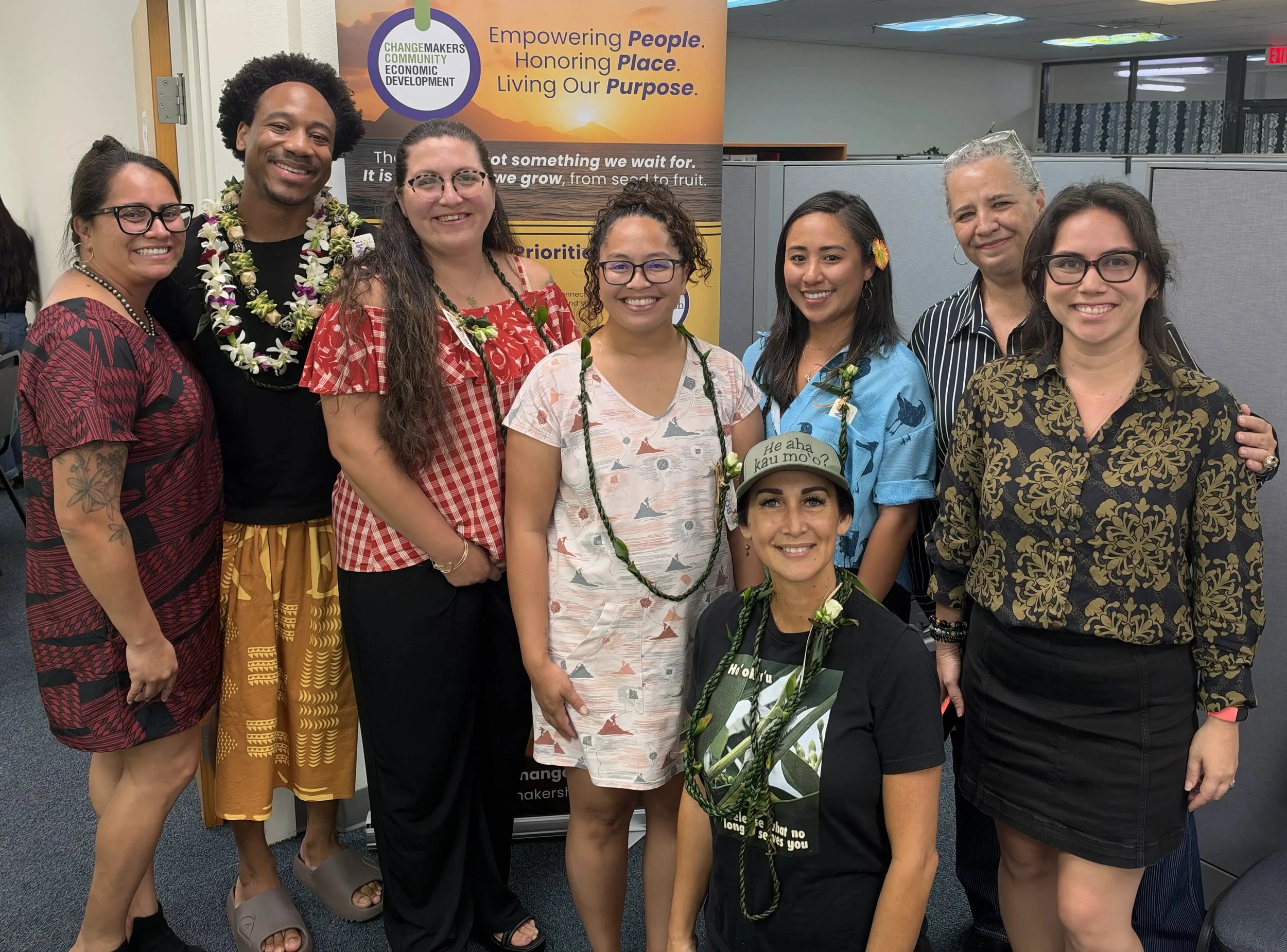
Changemakers Hawaiʻi is welcoming entrepreneurs to its next eight-week ʻĀinapreneur cohort, beginning January 19, 2027.
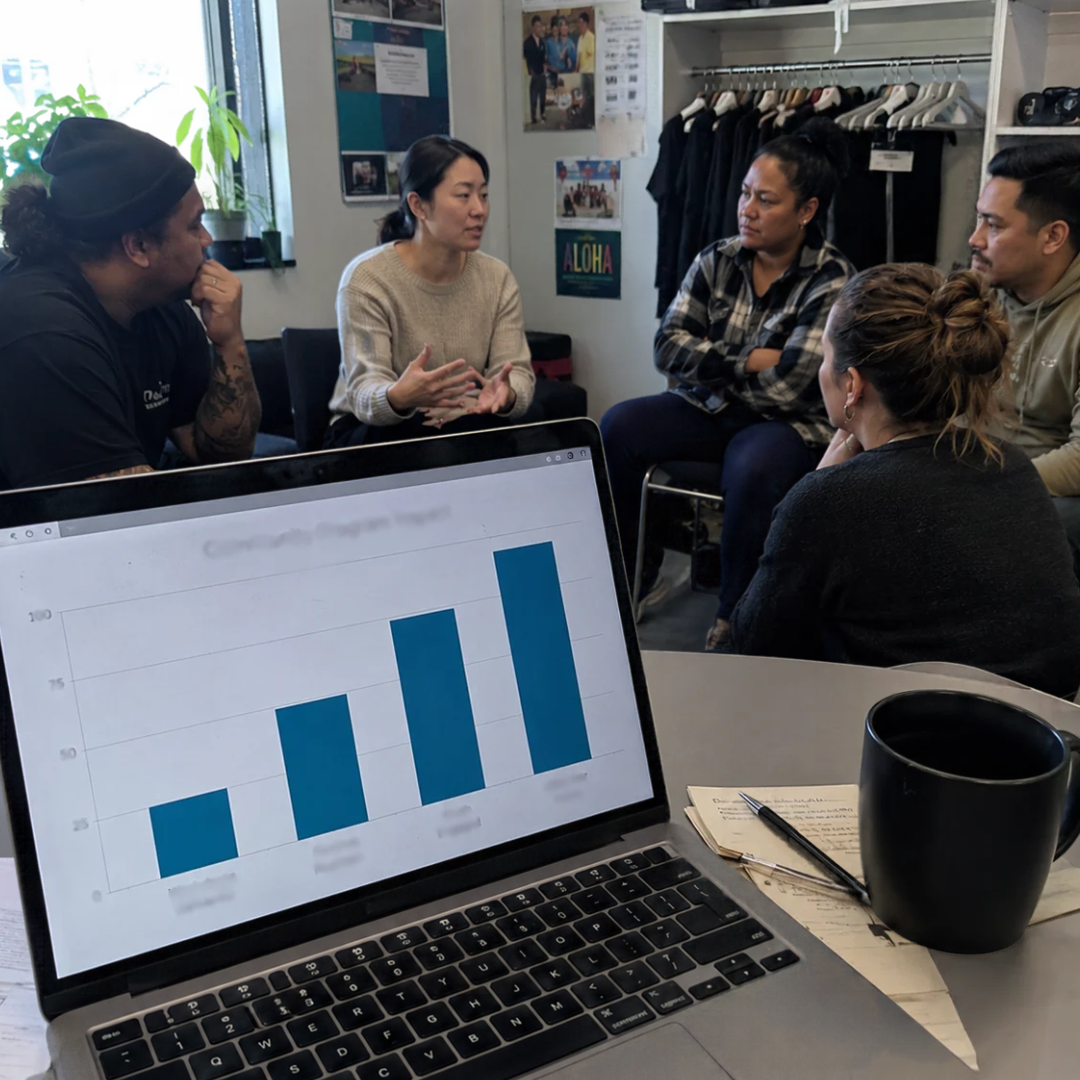
Through a supportive learning environment grounded in Place, People, Passion, and Profit, participants will explore practical business strategies, finances, pricing, capital readiness, resilience, and growth planning.
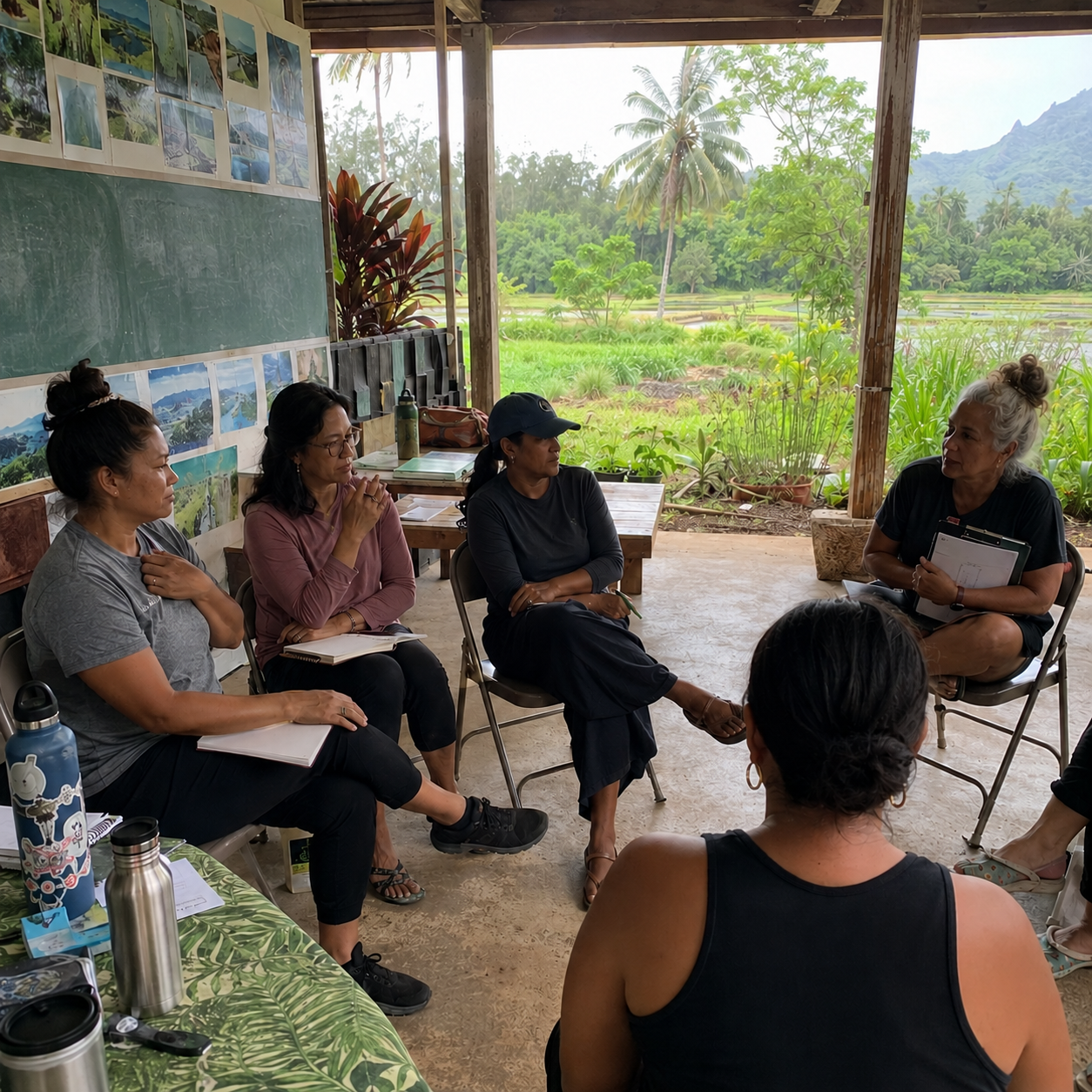
Whether you know someone or you're nurturing a new idea or strengthening an existing business, ʻĀinapreneur offers an opportunity to gain knowledge, build meaningful relationships, and move forward with greater confidence.
The next ʻĀinapreneur cohort begins January 19, 2027.
Dream boldly. Build with purpose. Grow together.
Because business owners don't have to build alone.
DISCOVER MORE