

Listening Is Leadership

PAST PODS




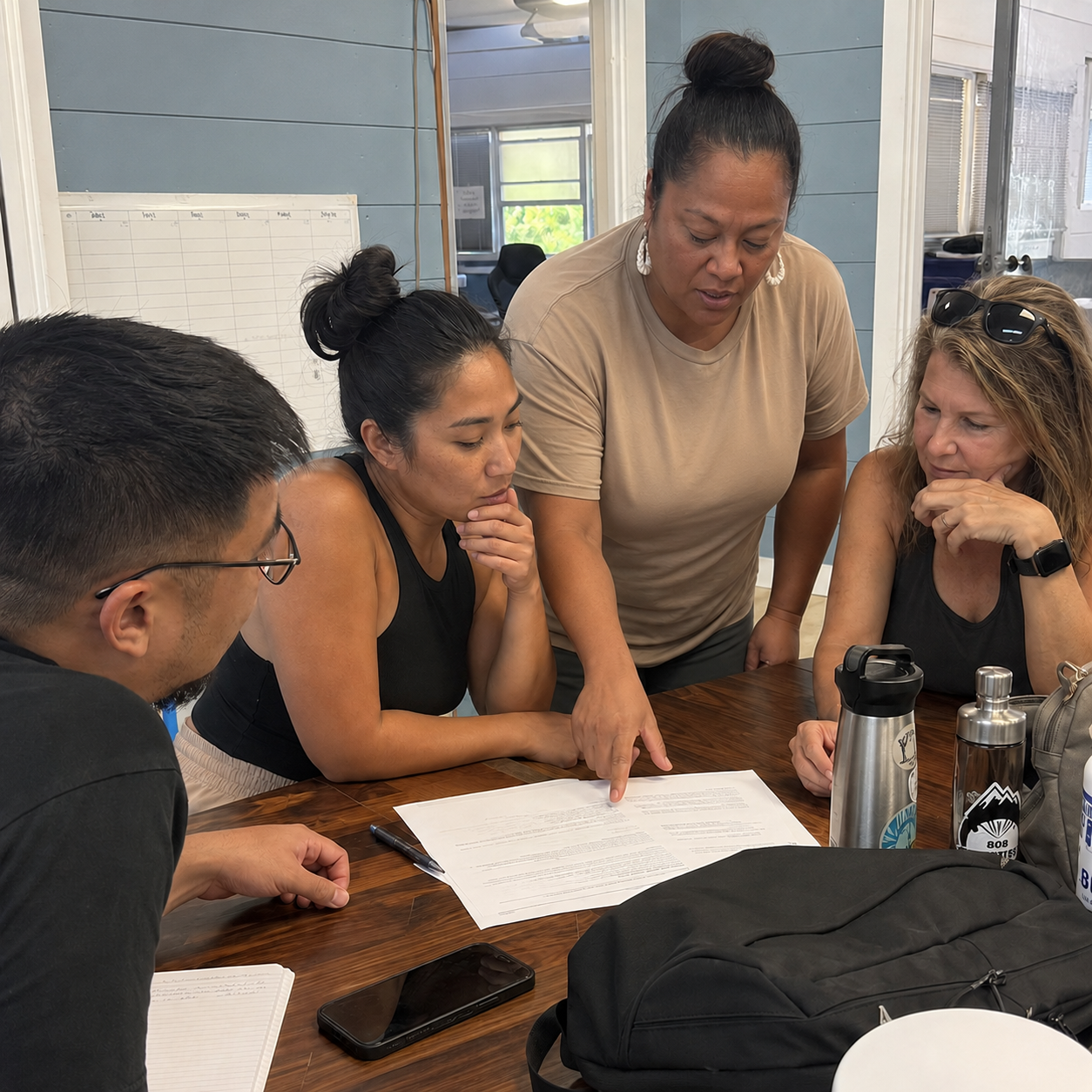
Leadership is often associated with speaking.
We picture the person giving direction, presenting the plan, answering questions, motivating the team, or standing at the front of the room.
But some of the strongest leaders do something else exceptionally well.
They listen.
Not the kind of listening where we quietly wait for our turn to talk.
Not the kind where we've already decided what we think and simply gather enough information to confirm it.
Real listening requires curiosity.
And sometimes humility.
Listening Changes the Question
Organizations often begin community work with a question like: “How do we get people to participate?”
Listening may reveal that the better question is: “Why doesn't this feel worth participating in?”
We may ask: “Why aren't people using this resource?”
Listening might uncover: “Was this resource designed around how people actually live?”
We might wonder: “Why is this community resistant to change?”
But perhaps people are not resistant to change.
Perhaps they are resistant to repeatedly having change imposed upon them.
The questions we ask shape the solutions we create.
Listening helps us ask better ones.
People Closest to an Issue Know Things Data Cannot Tell Us
Data matters.
Research matters.
Professional expertise matters.
But lived experience carries knowledge too.
A spreadsheet can tell us how many people participated.
It cannot always tell us why someone almost didn't come.
An economic report can identify a capital gap.
It may not explain why a business owner distrusts financial institutions.
A survey can reveal a problem.
A conversation may explain how that problem actually shows up in someone's life.
We need both.
Good leadership knows the difference.
Listening Also Requires Action

There is an important distinction between listening and performing listening.
If people repeatedly share their experiences but nothing changes, eventually the invitation to “share your voice” loses meaning.
So after listening comes responsibility.
What did we hear?
What can we change?
What cannot we change—and have we explained why?
Whose perspective is still missing?
Who needs to be involved in the next decision?
That is how listening becomes leadership.
Sometimes Leadership Means Making Room
Leaders do not always need to have the most important voice in the room.
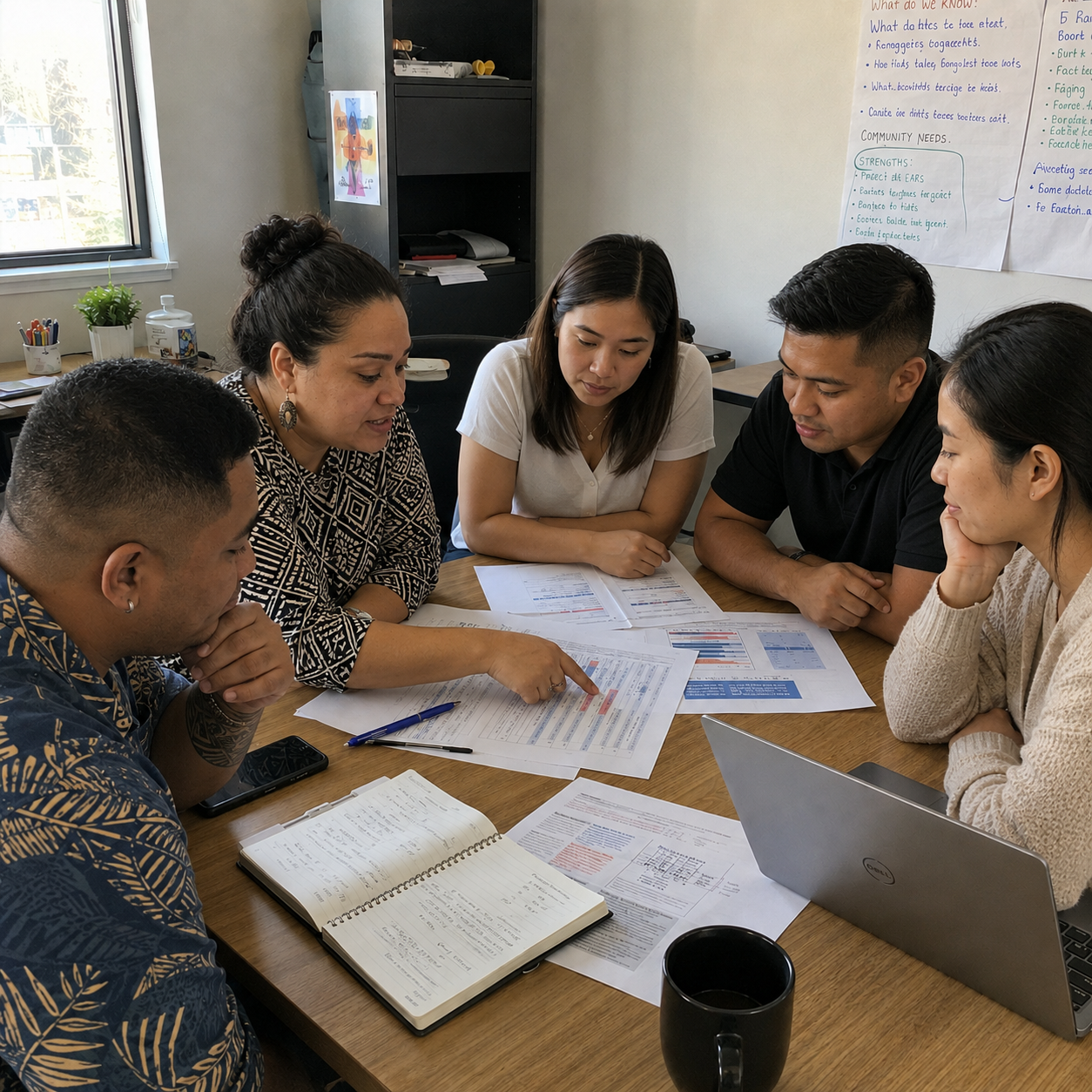
Sometimes our responsibility is to make sure the right voices can be heard.
That can mean stepping aside.
Passing the microphone.
Changing the agenda.
Inviting someone who normally would not be at the table.
Or recognizing that a community member's lived knowledge may be just as important to the conversation as someone's professional credentials.
Listening does not make leadership weaker.
It makes leadership more informed.
More accountable.
And ultimately, more useful.
Because before we can help shape a better future, we have to understand the people who will live in it.
DISCOVER MORE