
What Does It Mean to Be a Changemaker?
PAST PODS

When you hear the word changemaker, who comes to mind?
Maybe you picture a well-known leader. An activist. A nonprofit founder.
Someone standing behind a microphone, leading a movement or launching a major initiative.
Those people can certainly be changemakers.
But they are not the only ones.
Some of the most important changes happening in our communities begin much more quietly.
A teacher notices a student who needs extra encouragement.
A business owner hires locally even when another option might be easier.
A neighbor checks on an elderly kūpuna.
Someone introduces two people who can help each other.
A farmer shares knowledge with the next generation.
A young person asks why something has always been done a certain way—and imagines something better.
None of those actions may make headlines.
All of them can create change.
Change often begins with noticing
Before someone changes something, they usually notice something.
A gap.
An unfairness.
An opportunity.
A person being overlooked.
A resource being wasted.
A community strength that deserves more investment.
Changemakers pay attention.
Then they make a choice not to simply walk past what they see.
Sometimes that means starting something.
Other times it means supporting work that is already happening.
And sometimes the most responsible form of leadership is recognizing that you do not need to lead at all—you need to listen, contribute, or help someone else succeed.
You don't need permission to care
One of the biggest misconceptions about community leadership is that you need a title before you can make a difference.
You don't.
You don't need to be the executive director.
You don't need the largest social media following.
You don't need to have everything figured out.
You need a willingness to care about something beyond yourself and enough courage to take the next useful step.
That step may feel small.
Small does not mean insignificant.
Many large changes are simply small actions that continued.
Change is rarely a solo act
We also have to let go of the idea of the lone changemaker.
Healthy change is rarely created by one person.
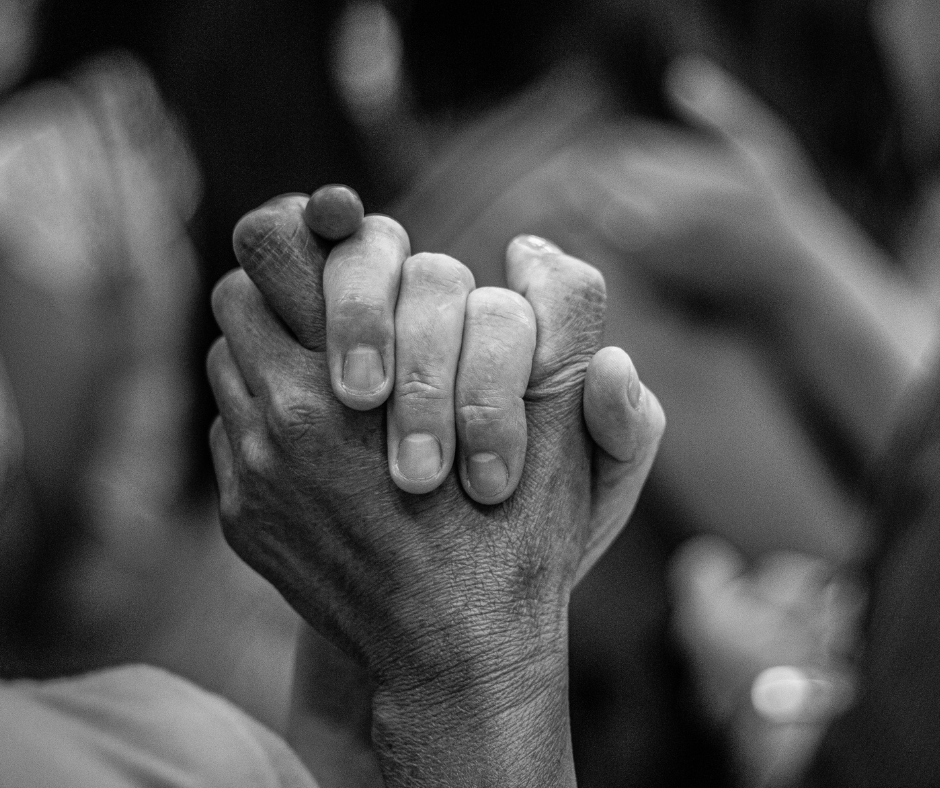
It happens through networks of people contributing different things: knowledge, labor, money, experience, relationships, creativity, advocacy, cultural understanding, technical expertise, and time.
That means being a changemaker isn't about becoming the hero of the story.
It is about becoming part of the story.
So, what does a changemaker look like?
Look around. You may already know several.
Better yet, you may be one.
Not because you have solved every problem in front of you.
But because you have decided that the place where you live, the people around you, and the future you leave behind are worth caring about.
Change begins there. And from there, it grows.
DISCOVER MORE