
From Good Intentions to Meaningful Impact
PAST PODS

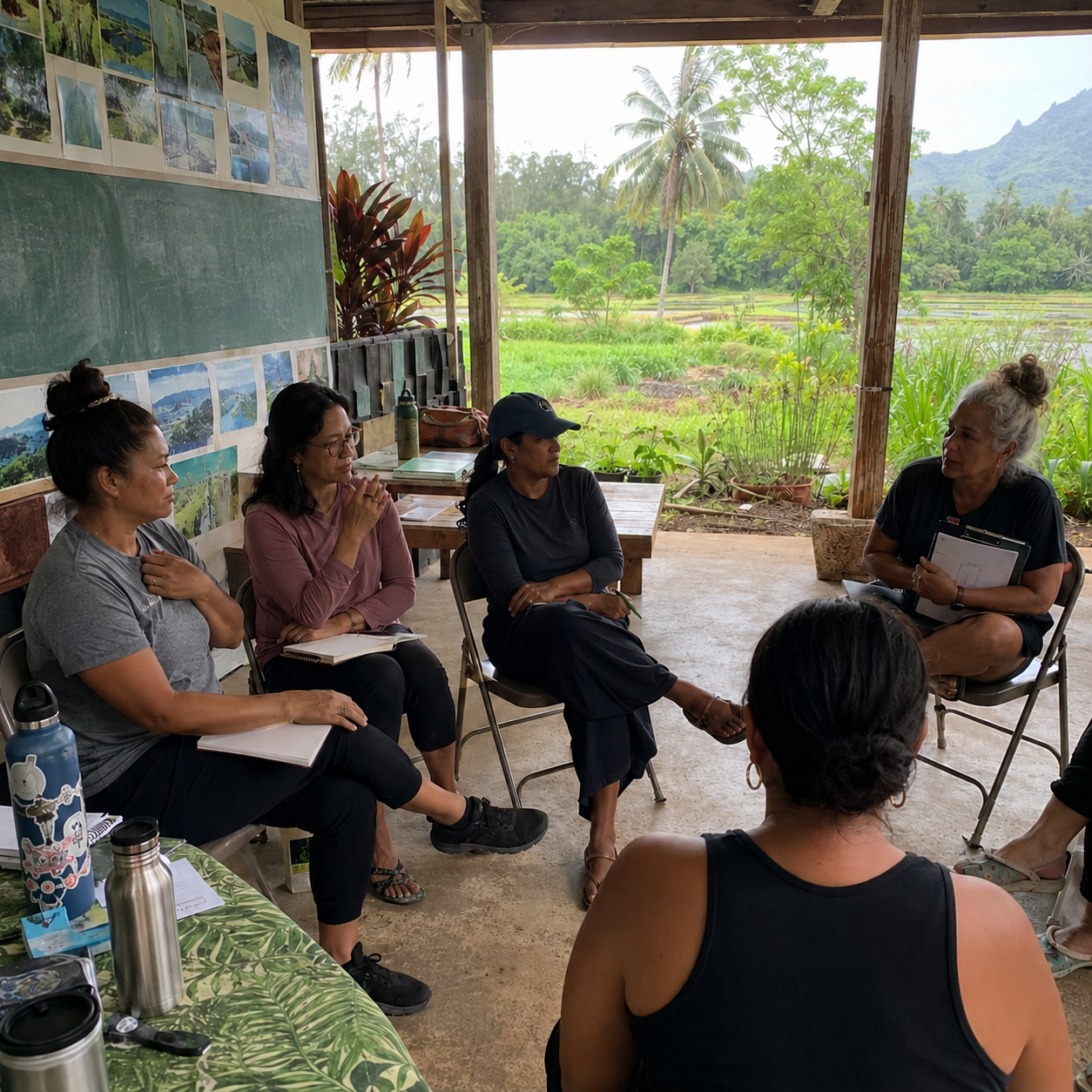
Most people who enter community work want to help.
That matters.
But good intentions alone do not guarantee good outcomes
A program can be created with compassion and still miss the people who need it.
A resource can be generous and still be difficult to access.
An organization can care deeply about a community and still misunderstand what that community actually wants.
Meaningful impact requires something beyond intention.
It requires reflection, relationships, accountability, and a willingness to change course.
Start by Asking Who Defined the Problem
One of the most useful questions we can ask before creating a solution is: Who said this was the problem?
Was it identified by residents?
Business owners?
Families?
Youth?
Community leaders?
Or was it identified primarily by people outside the situation?
Expertise has value, but proximity has value too.
The people experiencing a challenge often understand parts of it that outsiders cannot see.
Beginning with their knowledge makes our response stronger.
Ask What Already Exists
Another common mistake in community development is assuming we need to create something new.
Sometimes we do.
But sometimes the better answer is already there.
A grassroots organization may already be solving part of the problem.
A community leader may have built trust over decades.
A local business may already provide something people rely on.
An informal network of aunties, coaches, educators, neighbors, or cultural practitioners may be doing critical work without a formal program name attached to it.
Before building something new, find out what is already working.
Then ask how it can be supported.
Measure What Matters
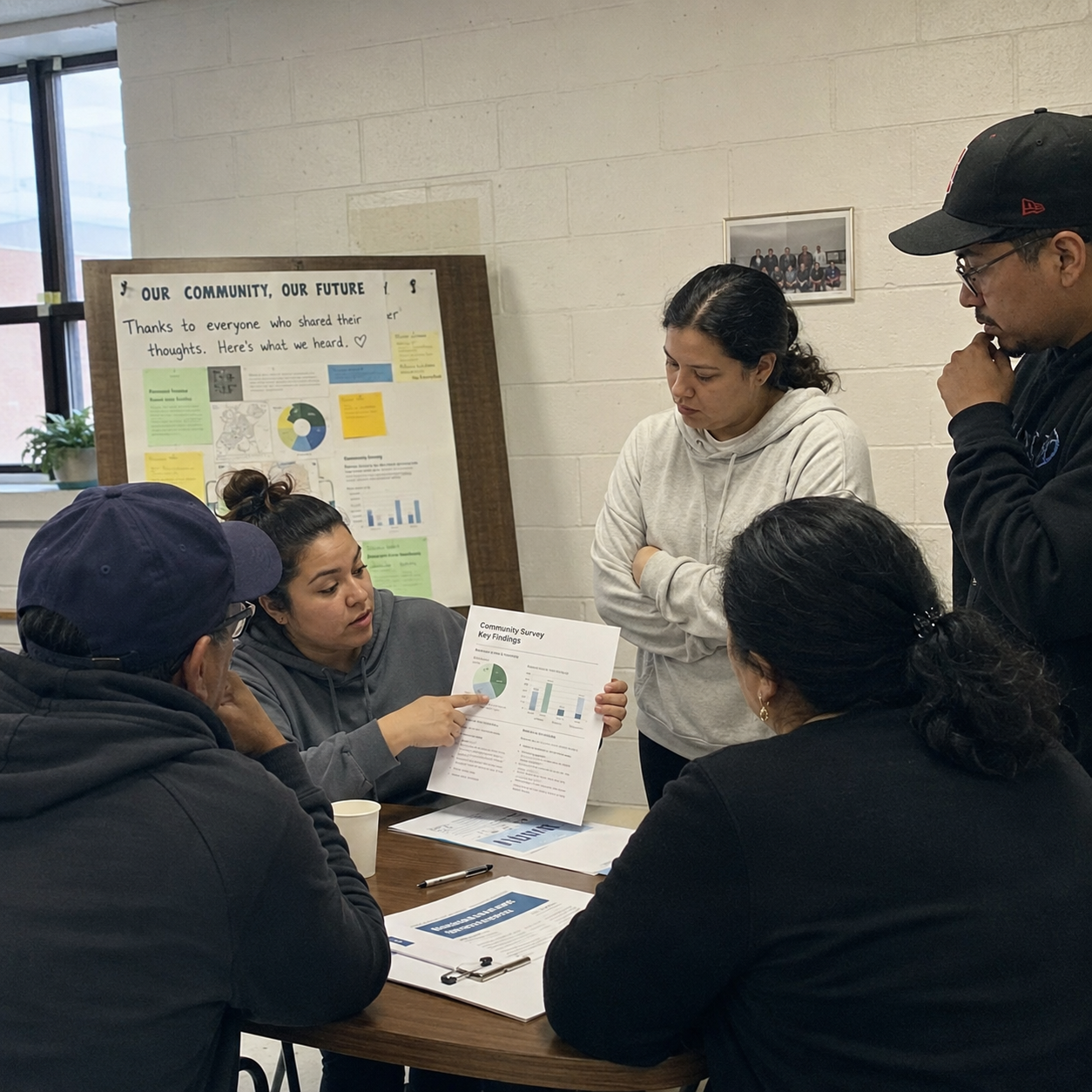
Meaningful impact also asks us to think carefully about success.
Attendance matters.
Dollars distributed matter.
Businesses served matter.
Classes completed matter.
But numbers rarely tell the entire story.
Did someone gain confidence?
Did a business become more stable?
Did a participant understand something they previously found intimidating?
Did a relationship form that created another opportunity?
Did people feel respected?
Did the work strengthen community capacity rather than dependency?
Those outcomes can be harder to measure.
They can also be the ones that matter most.
Be Willing to Adjust
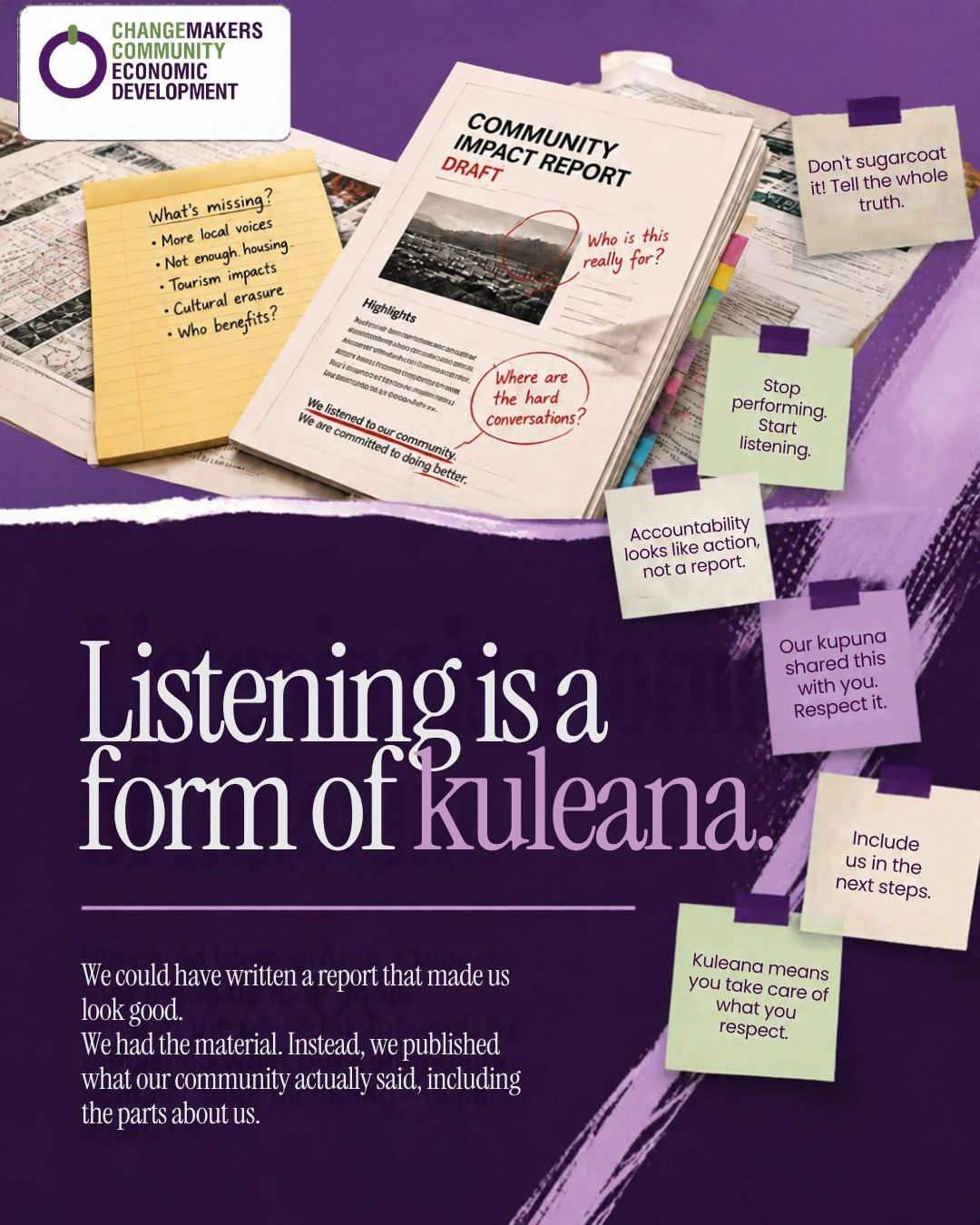
Perhaps the clearest sign that an organization cares about impact more than appearances is its willingness to say: This isn't working the way we hoped.
And then change it.
Community-centered work should be responsive because communities are not static.
Needs change.
Economies change.
Families change.
Opportunities change.
Programs should be capable of changing too.
Good intentions are where many of us begin.
Meaningful impact happens when we are willing to keep learning after we begin.
DISCOVER MORE