
The Knowledge We’re Missing.
PAST PODS


Why Hawaiʻi Island's Food Future Must Be Built With Community.
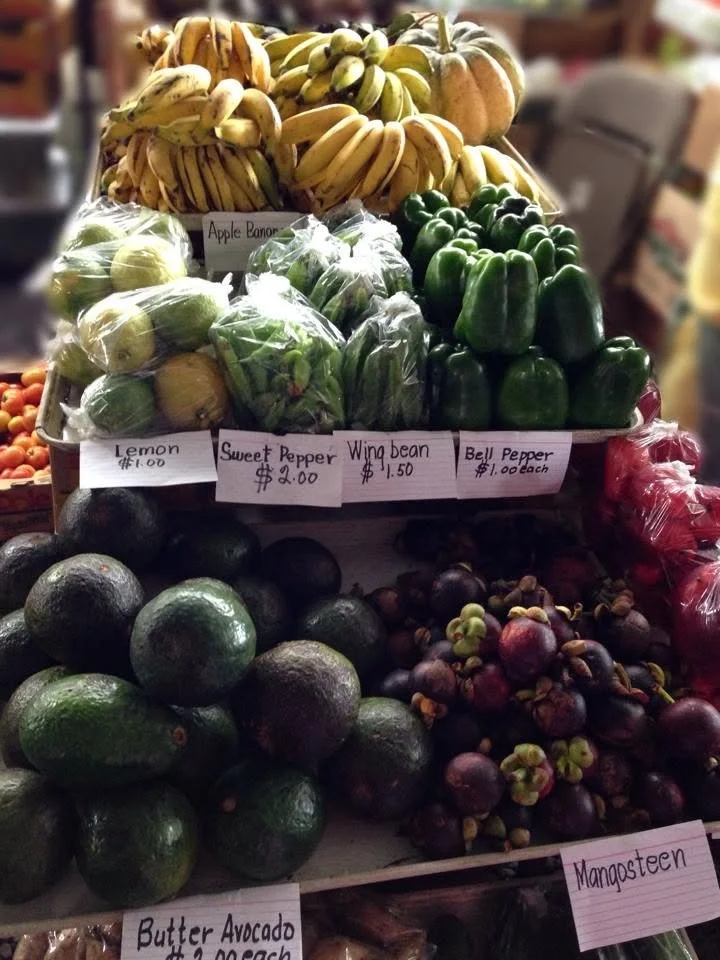
How much food is actually produced and consumed on Hawaiʻi Island?
How much comes from local farms?
How much comes from backyard gardens?
How much fish, meat, fruit, ʻulu, kalo and other food moves between relatives and neighbors without ever entering a store?
Where does access to local food break down?
And which communities are most affected?
We might assume that questions this important already have clear answers.
According to the Hawaiʻi Island Agriculture Partnership's 2025 Agriculture and Food System Preliminary Report, many of them do not.
The report identifies significant gaps in the information needed to understand Hawaiʻi Island's food system — from incomplete farm-level production figures to a lack of reliable benchmark data showing how much food residents consume and where it comes from.
That matters because we cannot build better systems if we do not fully understand the systems people are living within today.
But there is another part of this story.
Some of the "missing data" may not actually be missing.
It may simply live with people rather than inside databases.
Not Everything That Feeds a Community Is Counted
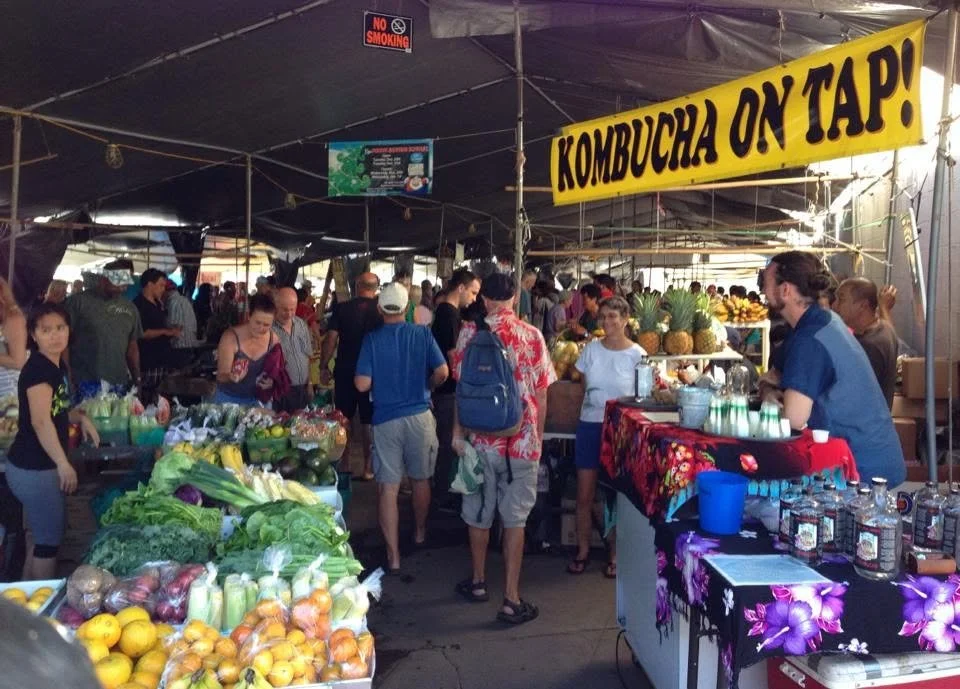
The report acknowledges something especially important for Hawaiʻi Island: a substantial amount of food moves through an informal food economy that conventional statistics rarely capture.
Backyard gardens.
Subsistence farming.
Fishing.
Hunting.
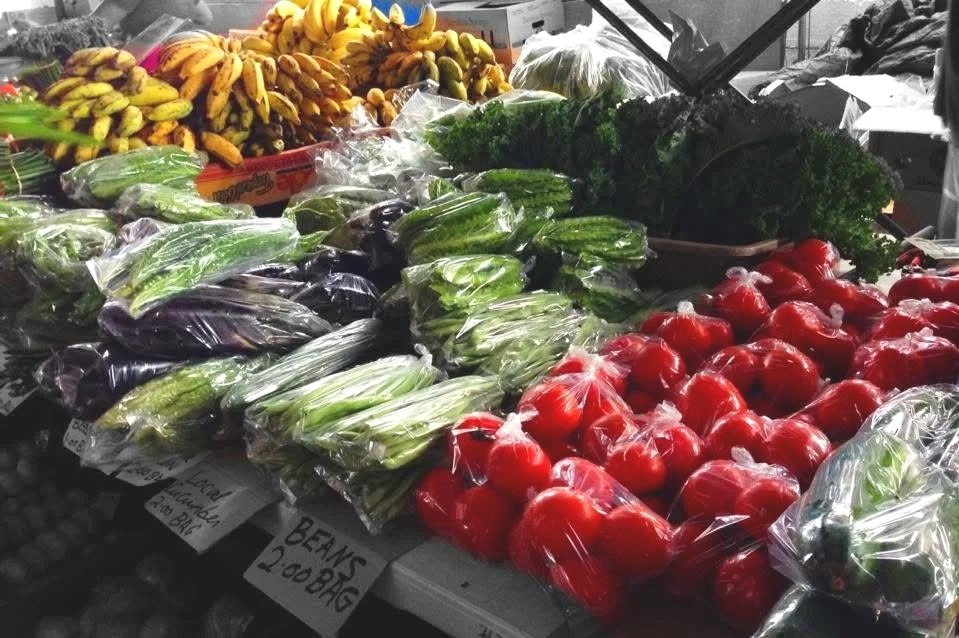
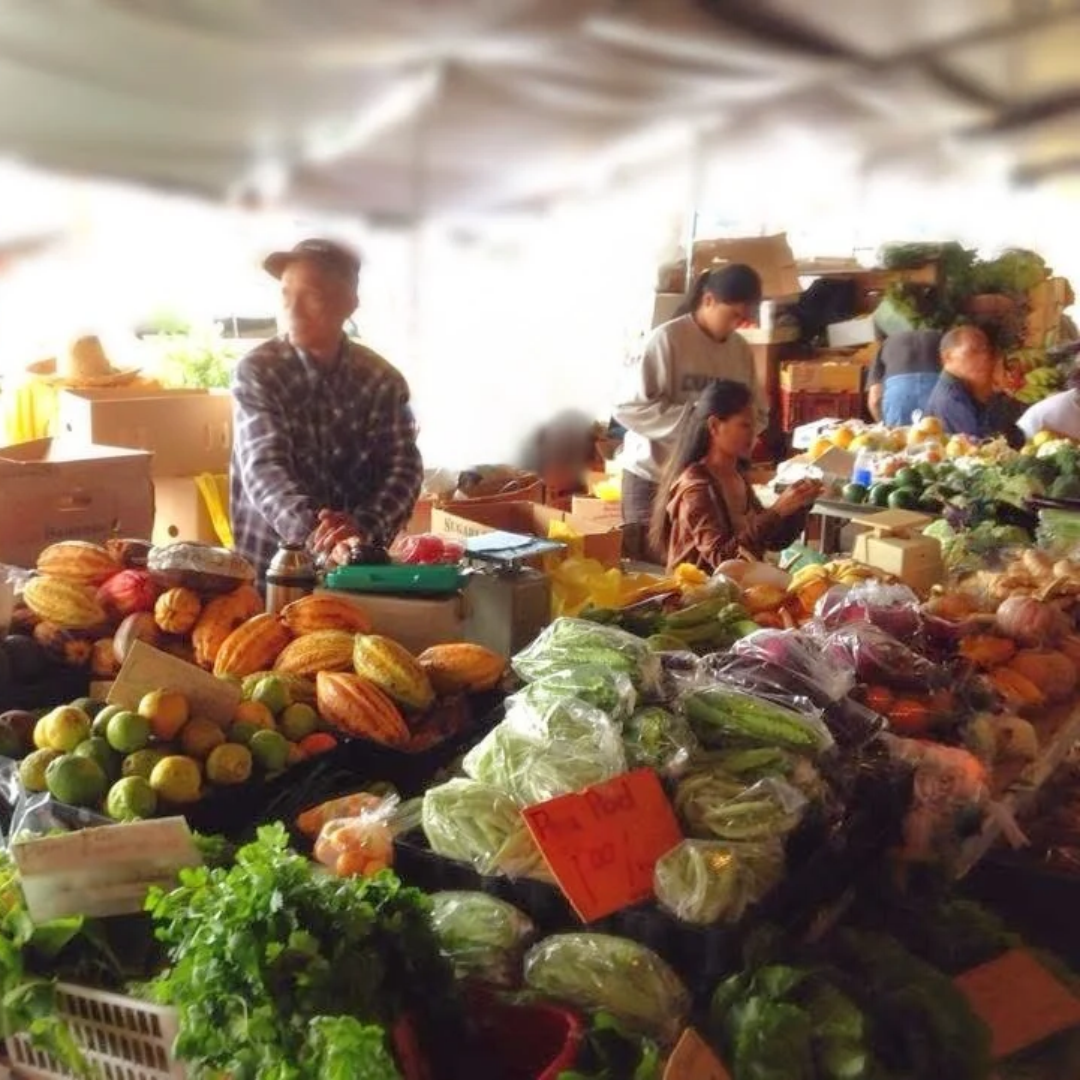
Farmers markets.
Food shared between relatives.
Food traded between neighbors.
Community networks.
The report notes that these activities contribute meaningfully to local food security, particularly in rural communities, but remain largely unquantified.
For Hawaiʻi, that distinction matters.
Historian Davianna Pōmaikaʻi McGregor has documented how subsistence practices in rural Hawaiian communities have provided far more than calories. Fishing, farming, hunting and gathering have helped families supplement limited incomes while carrying knowledge between generations and reinforcing relationships through the sharing of food.
In her research with kuaʻāina communities, McGregor describes food sharing as part of extended networks of ʻohana and neighbors, while knowledge of fishing, gathering, cultivation, seasons and place is transmitted through practice.
This should challenge the way we think about food-system data.
If we measure only what crosses a supermarket scanner, we will never see the whole system.
Data Without Lived Experience Has Limits
Imagine that a map shows a grocery store within ten miles of a rural community.
On paper, perhaps that community has "food access."
But residents may tell a different story.
Maybe there is no reliable transportation.
Maybe local produce is rarely stocked.
Maybe prices are unaffordable.
Maybe the store's hours don't align with work schedules.
Maybe the food families actually rely upon comes from fishing, hunting, backyard growing, food sharing or a neighbor who sells produce informally.
The map gives us one type of information.
Community experience gives us another.
We need both.
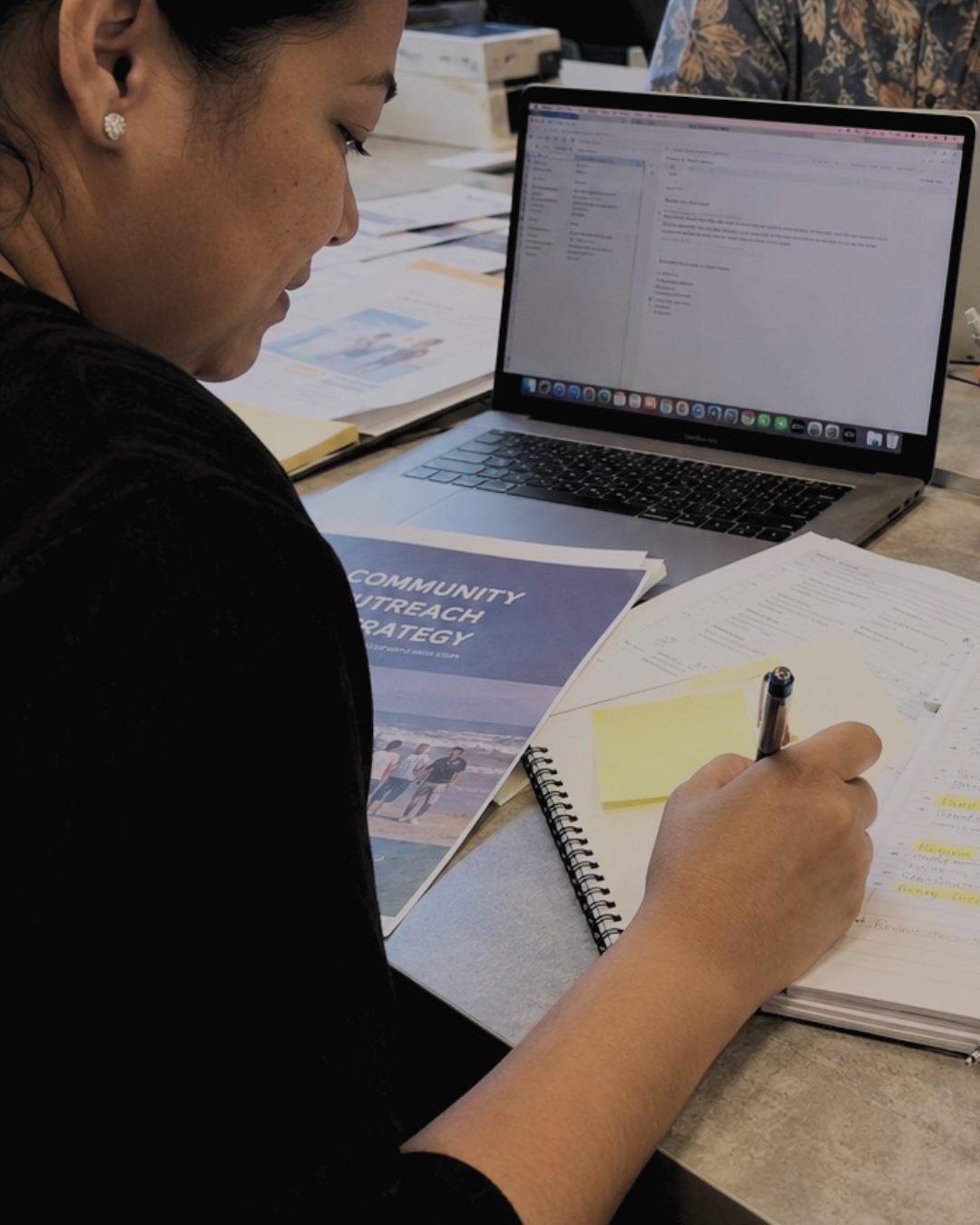
The Agriculture and Food System Report recognizes this by highlighting participatory research, stakeholder interviews, workshops, community meetings and story mapping alongside quantitative datasets. It specifically notes that qualitative mapping can capture lived experiences and cultural dimensions that numbers alone may miss.
That is an important model for how Hawaiʻi Island approaches its food future.
Not extracting information from communities.
Building knowledge with them.
ʻIke Is Not An Afterthought
Across Hawaiʻi Island, people already understand pieces of our food system deeply because they live them.
Farmers know the cost of inputs and which equipment is impossible to access.
Ranchers know where processing capacity reaches its limits.
Distributors know which routes are economically difficult.
Food hubs know what producers are trying to move and what buyers request.
Families know what groceries cost.
Rural residents know what distance means.
Hunters, fishers, growers and practitioners carry knowledge that may never appear in conventional agricultural statistics.
Community organizations see where people continually fall through gaps.
That knowledge — that ʻike — should not be something policymakers request after decisions have already been made.
It should help shape the questions from the beginning.
McGregor's work offers a useful precedent. In community research on Molokaʻi and Puna, residents participated in interviews, focus groups and participatory mapping of fishing, hunting, gathering, trails and resource areas. Community knowledge became part of understanding both the resources themselves and the systems required to protect them.
There is a lesson there for today's food system.
People are not merely research subjects. They are knowledge holders.
Better Information Can Lead to Better Decisions
The Agriculture and Food System Report calls for improved primary data collection, better information sharing and stronger mechanisms for understanding what is actually happening throughout the food system. It also acknowledges that trust matters — particularly when producers may hesitate to share sensitive information without knowing how it will be used.
That means the way we collect data matters as much as the data itself.
Who asks the questions?
Who decides what gets measured?
Who interprets the answers?
Who benefits from the information?
And does the community ever see its knowledge translated into action?
These questions are central to Changemakers Hawaiʻi's ʻĀinapreneur: Our Food, Our Future work.
We Want Your Manaʻo
Through our Robert Wood Johnson Foundation-supported project, Changemakers Hawaiʻi will be gathering local information about healthy food access across Hawaiʻi Island.
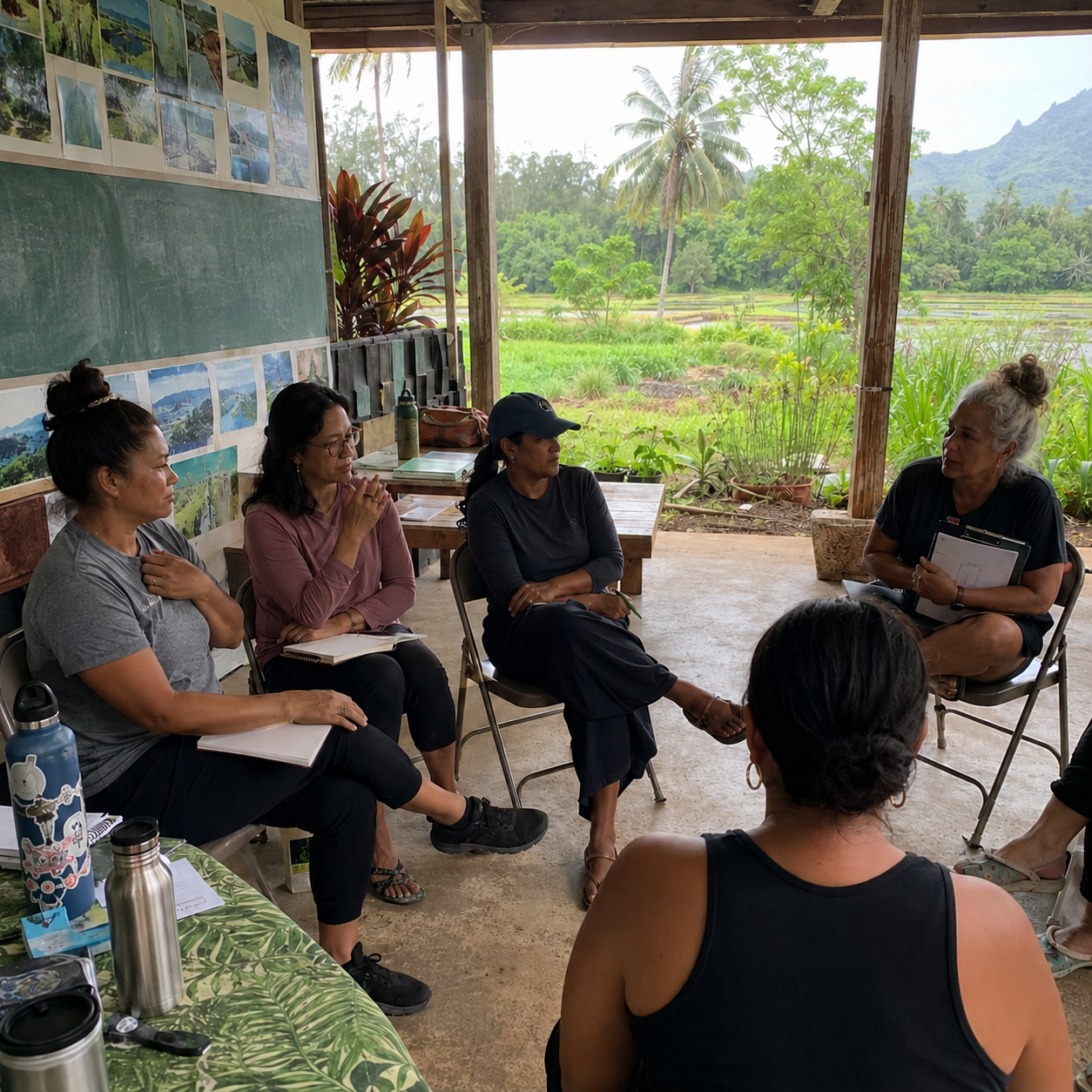
We will engage farmers, producers, distributors, retailers, food hubs, institutional buyers, community organizations and residents through 75+ stakeholder surveys, six community listening sessions, participatory mapping, retail and price analysis, and cooperative infrastructure research.
We want to understand:
Where are Hawaiʻi-grown foods difficult to access?
Where are the transportation and distribution gaps?
What infrastructure do producers need?
Where is processing or cold storage inadequate?
What purchasing rules make it harder for smaller local producers to reach schools, hospitals and other institutions?
What solutions are communities already using that formal systems may have overlooked?
And perhaps most importantly: What do the people living within this system believe needs to change?
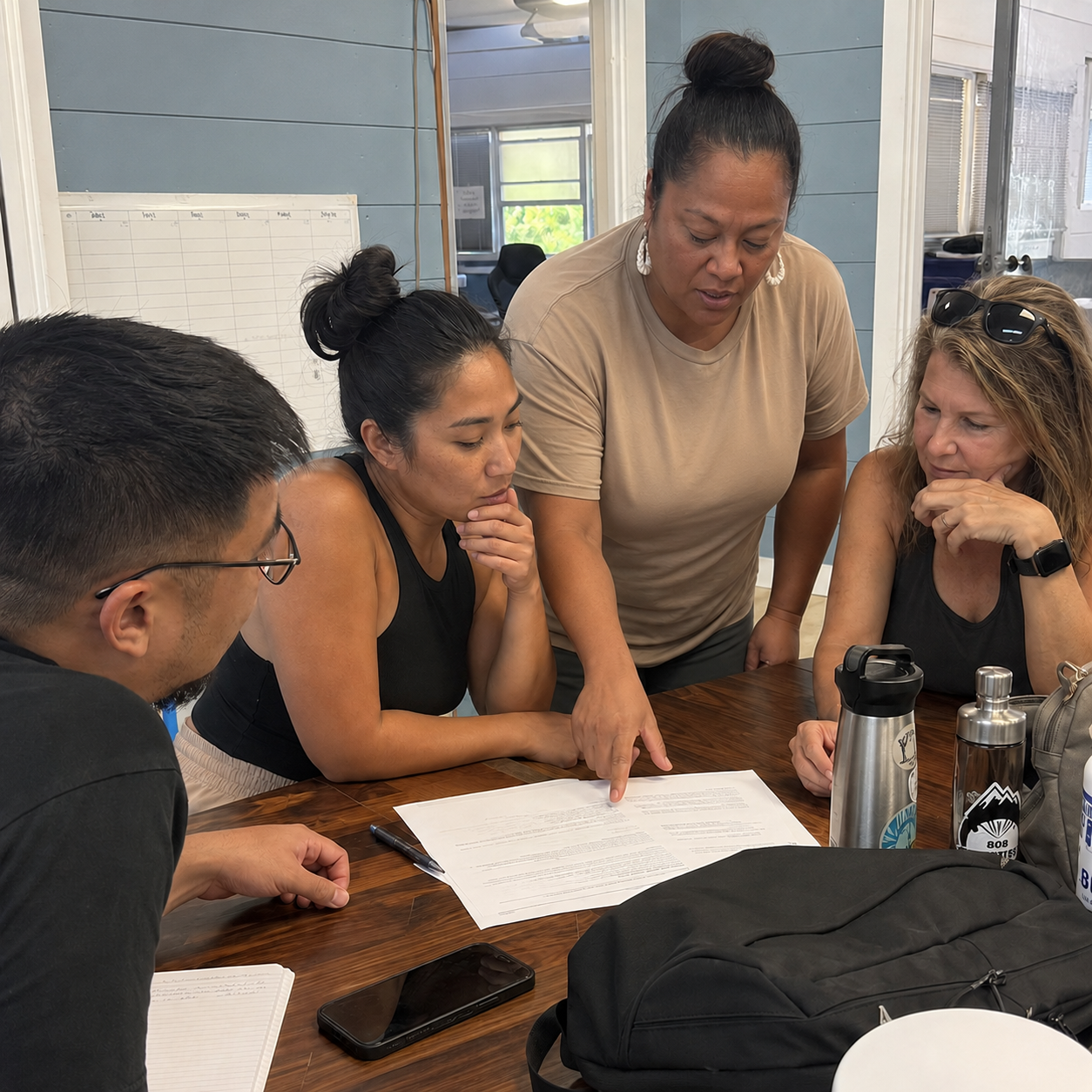
The project is designed so that farmers and residents affected by these inequities help shape the information collected, interpret what it means and inform recommendations.
Because Hawaiʻi Island does not need another conversation where community is asked to speak and then decisions are made somewhere else.
We need pathways that move manaʻo to information, information to decisions, and decisions to action.
If you have experience with our local food system — whether you grow food or struggle to access it — we invite you to be part of ʻĀinapreneur: Our Food, Our Future.
Share what you know.
Share what you have experienced.
Share what you believe would make the system work better.
Our island's food future will not be found entirely in a spreadsheet.
Much of the ʻike we need is already here.
We simply need to listen — and then act on what we learn.
DISCOVER MORE