
Growing Food Isn't Enough.
PAST PODS




The Infrastructure Hawaiʻi Island Needs to Feed Itself.
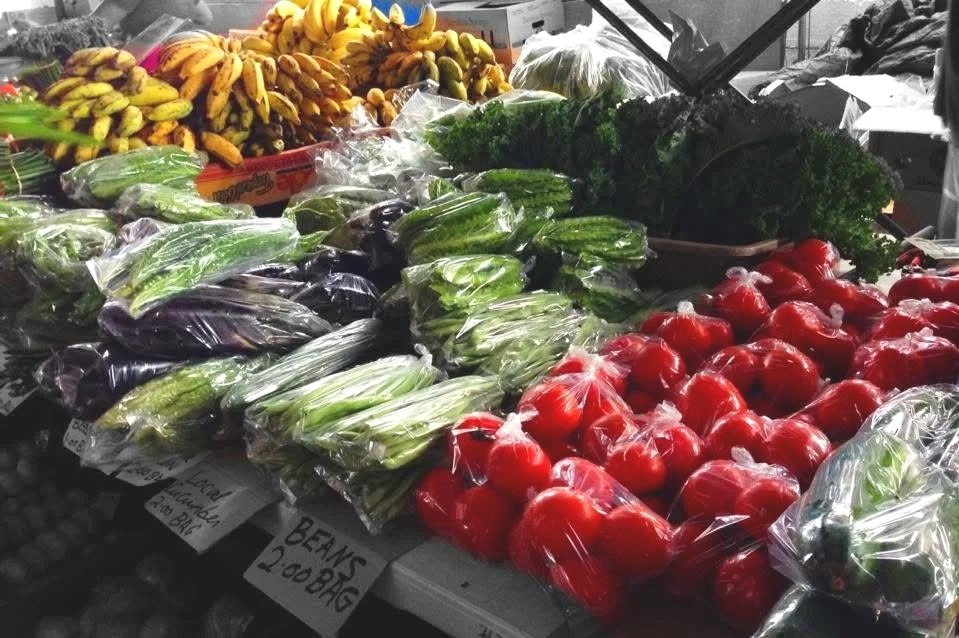
When we talk about strengthening local agriculture, the conversation often begins with a seemingly simple goal: Grow more food. It makes sense.
Hawaiʻi Island imports an estimated 85–90% of the food it consumes, according to the Hawaiʻi Island Agriculture Partnership's 2025 Agriculture and Food System Preliminary Report. Increasing local production is clearly an important piece of becoming more resilient.
But there is another question we need to ask.
What happens after the food is grown?
A farmer can produce an abundance of tomatoes, beef, bananas, ʻulu or leafy greens.
But if there is nowhere to process the product, insufficient cold storage, no affordable transportation, no aggregation system or no viable route into stores, schools, hospitals and other markets, that abundance does not necessarily translate into greater food security.
The distance between a farm and a family's table is filled with infrastructure.
And Hawaiʻi Island has some significant gaps.
The invisible middle of our food system
Most of us see two ends of the food system.
We see the farmer.
And we see the grocery store, restaurant, farmers market or plate.
Between those two points is an entire network that makes food accessible.
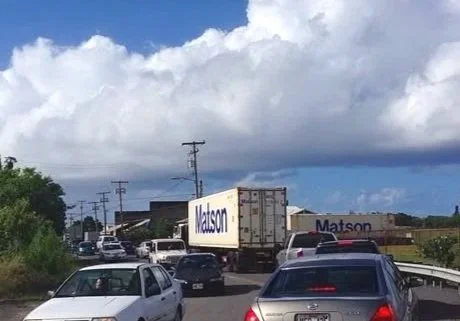
Transportation.
Processing.
Commercial kitchens.
Refrigeration.
Warehousing.
Distribution.
Aggregation.
Packaging.
Inspection.
Institutional procurement.
The Agriculture and Food System Report identifies weaknesses across several of these areas.
For example, the report says additional shared-use facilities with dehydrators, flash freezers and cold storage could help small farmers move into value-added production. Hawaiʻi Island has only two USDA-certified slaughter facilities, constraining local beef processing capacity. The report also identifies complex permitting processes and high infrastructure costs as barriers to expanding food processing facilities.
Those may sound like agricultural business problems.
They are also food access problems.
Consider local beef
The report notes that approximately 60% of Hawaiʻi Island's cattle are exported to the continental United States for finishing and processing, in part because local slaughter capacity is limited.
Think about what that means.
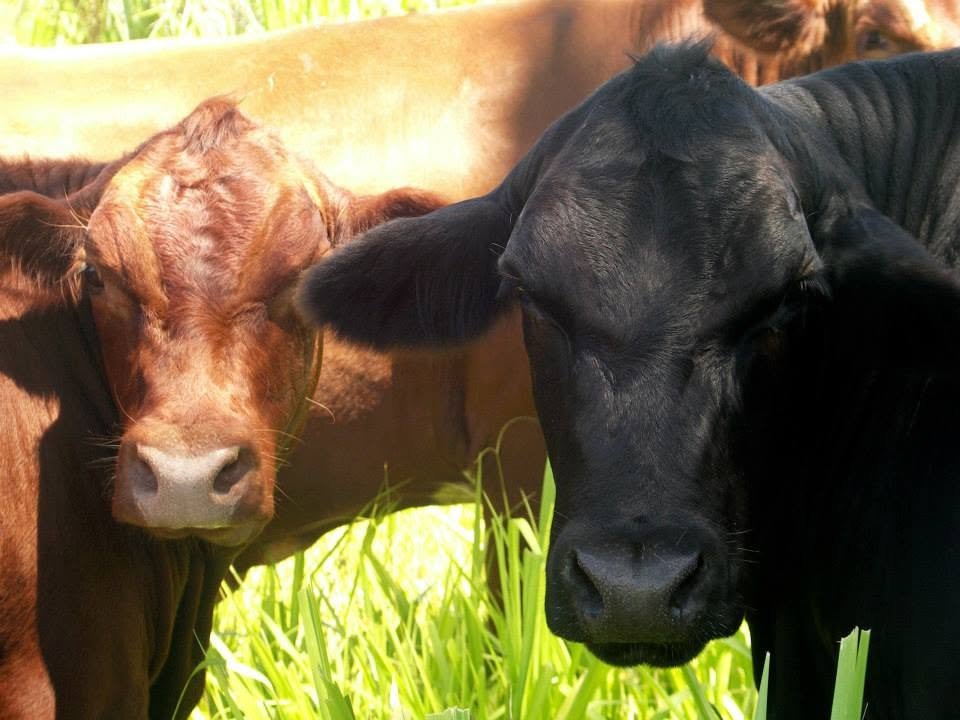
We can raise livestock here and still lack enough infrastructure to keep the entire food value chain here.
The same underlying issue can affect fruits and vegetables.
A farmer may have more produce than can be sold immediately.
Without freezing, refrigeration, dehydration, processing or other ways of extending its usable life, a highly perishable local crop has a very small window to reach consumers.
Infrastructure determines whether abundance becomes opportunity — or waste.
Distribution matters just as much as production
Hawaiʻi Island's geography adds another challenge.
A farm in Hāmākua.
A family in Puna.
A school in Kona.
A food hub in Hilo.
A restaurant in Waimea.
All may participate in the same island food system, but connecting them efficiently is complicated.
The report specifically identifies geographic disparities in food distribution and calls for investment in transportation, cold storage and stronger partnerships. It also points to food hubs and cooperative models as part of the solution.
Hawaiʻi ʻUlu Cooperative, for example, is highlighted for expanding aggregation and distribution across multiple crops.
This is significant because small producers rarely have the scale or resources to build every piece of infrastructure individually.
Cooperative and shared models can change the equation.
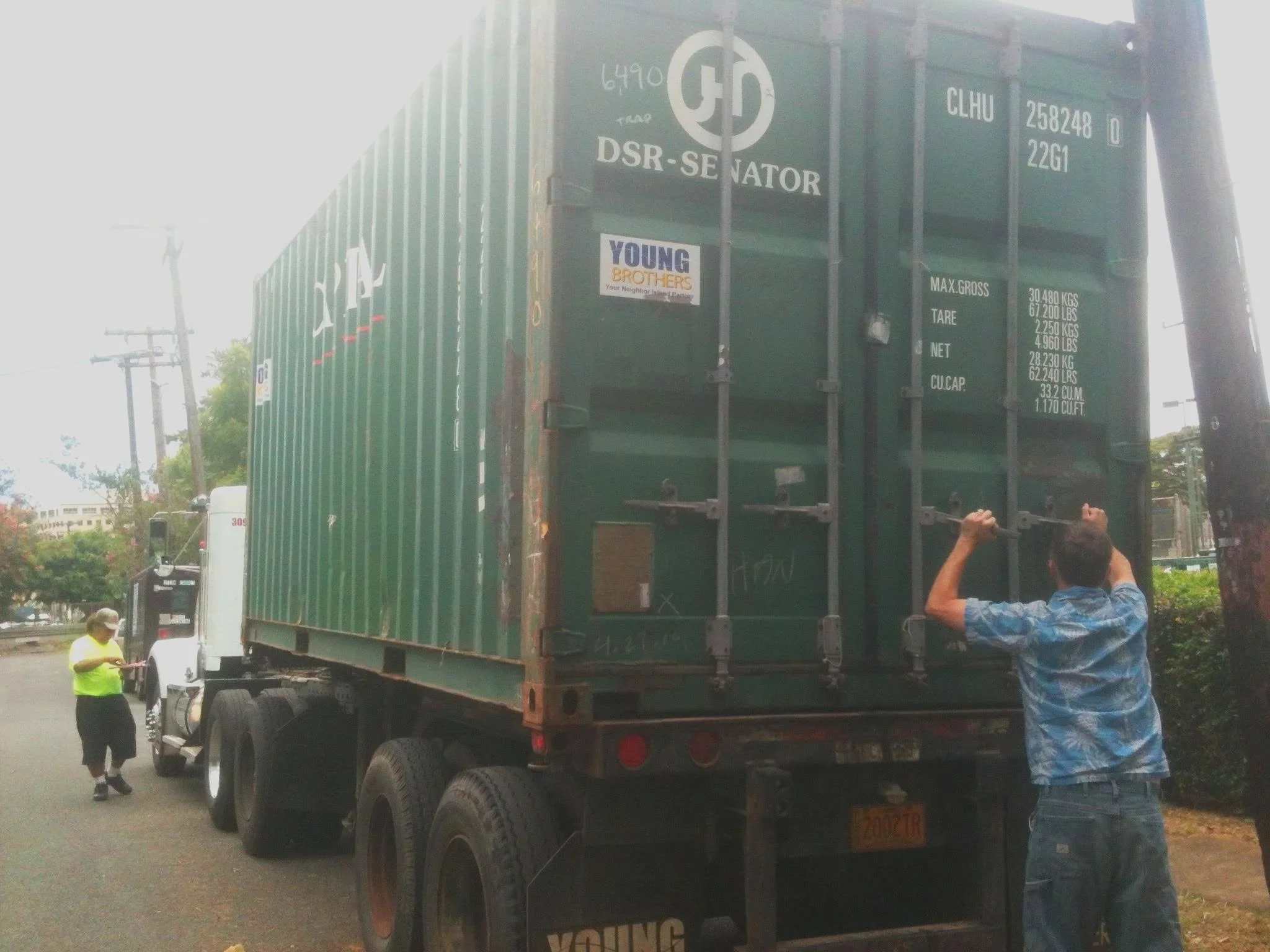
Instead of asking:
"Can every farmer afford a refrigerated truck, processing equipment and storage?"
we can ask:
"What resources could producers share?"
That is a very different approach to economic development.
Then there is the question of who gets to buy local
Infrastructure isn't always physical.
Sometimes the barrier is a rule.
An institution may want to purchase Hawaiʻi-grown products but require volumes a small farmer cannot supply.
Contracts may be too large.
Insurance requirements may be prohibitive.
Vendor qualification processes may favor larger distributors.
Food may be available locally while the systems used to purchase food make local participation difficult.
This is one of the issues Changemakers Hawaiʻi's Robert Wood Johnson Foundation-supported project will examine: how procurement practices, infrastructure gaps, distribution systems and resource barriers affect whether Hawaiʻi-grown food reaches communities equitably.
That moves the food-security conversation away from blaming individuals and toward examining the design of the system itself.
What could we change?
The Agriculture and Food System Report points toward several practical opportunities.
Invest in cold storage and aggregation hubs.
Expand shared-use processing.
Improve transportation networks.
Reduce unnecessary regulatory barriers.
Support cooperative equipment and infrastructure.
Create stronger connections between producers and buyers.
Increase institutional purchasing of island-grown food.
Support small and mid-sized producers in reaching markets that currently remain difficult to access.
None of these ideas are as visually compelling as a field filled with crops.
But they may be just as important.
Because a resilient food system requires more than the ability to grow food.
It requires the ability to move it, preserve it, process it, purchase it and get it where it needs to go.
Help us map what is missing
This is where ʻĀinapreneur: Our Food, Our Future comes in.
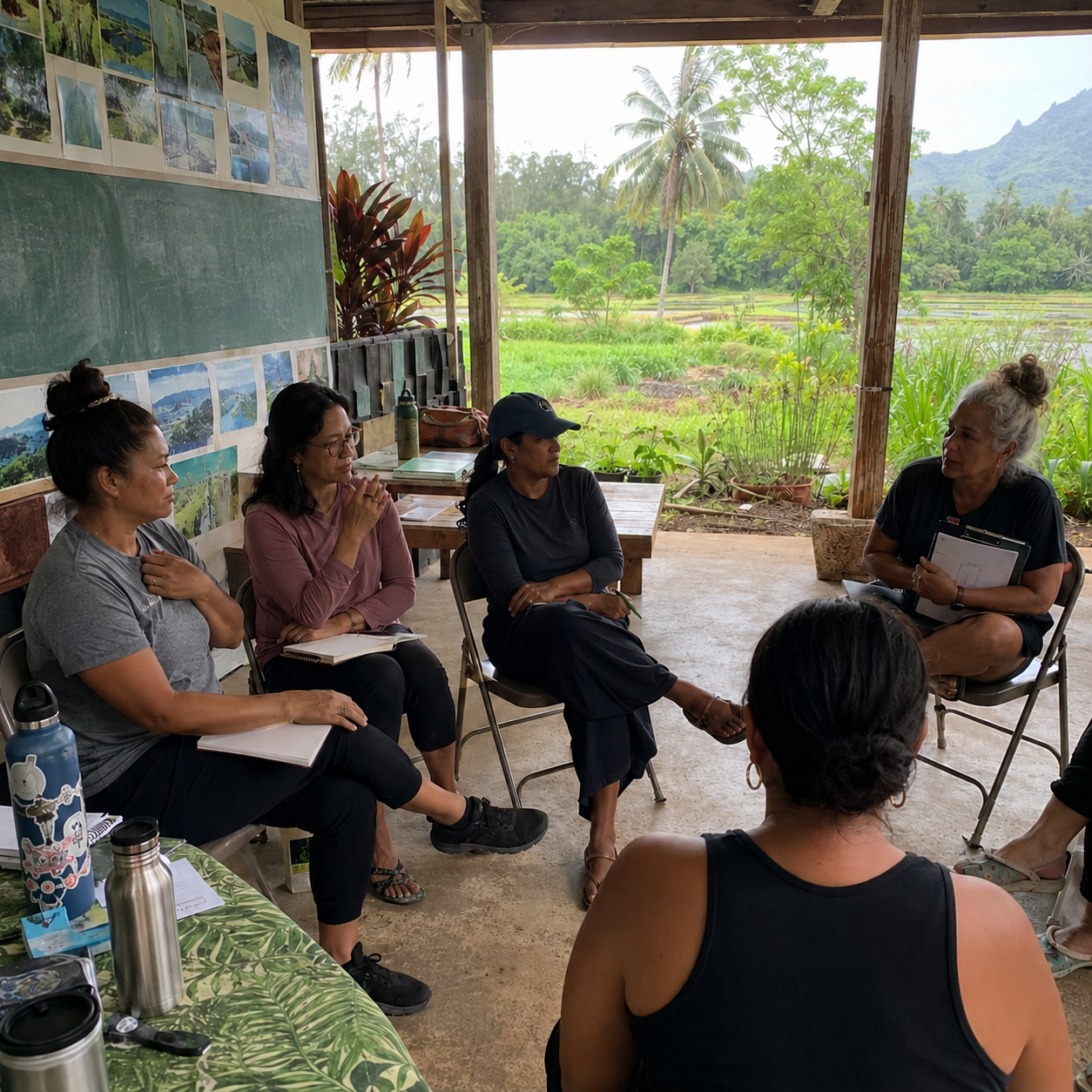
Changemakers Hawaiʻi will be gathering manaʻo and ʻike across Hawaiʻi Island to better understand the infrastructure people actually encounter.
Where is cold storage missing?
Where does transportation break down?
What processing resources do producers need?
What keeps small farms from selling to institutions?
Where are locally grown foods difficult or expensive to obtain?
Which shared or cooperative solutions could help?
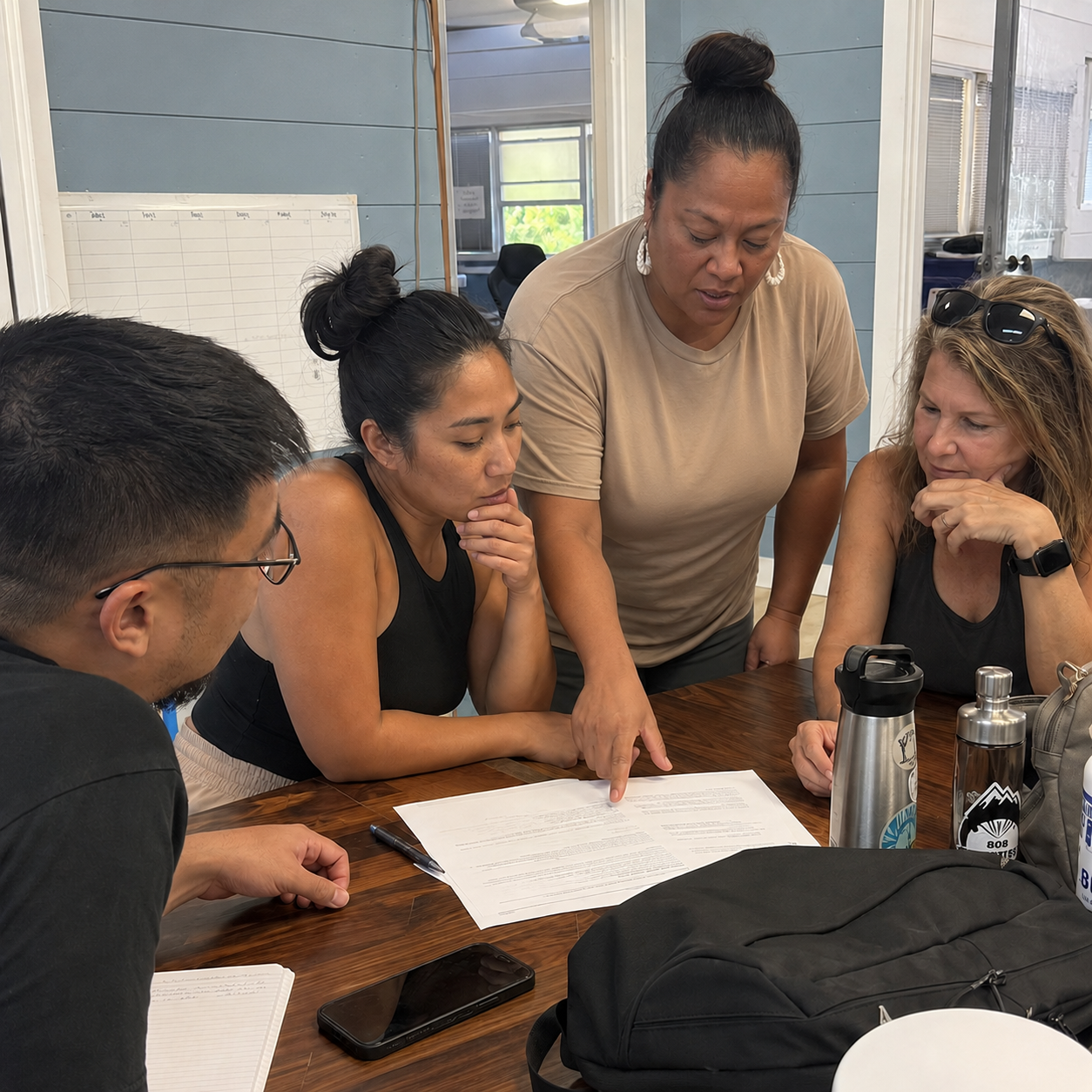
Our Robert Wood Johnson Foundation project includes community listening sessions, stakeholder surveys, participatory mapping, price analysis, and research into cooperative infrastructure and policy solutions. The goal is not simply to produce another report. It is to create decision-ready information that can help identify infrastructure investments and practical policy or procurement changes.
If you are part of Hawaiʻi Island's food system, your experience is the info we need.
Farmer. Rancher. Producer. Distributor. Retailer. Institutional buyer. Food hub. Community organization. Resident.
Join ʻĀinapreneur: Our Food, Our Future and help us identify what Hawaiʻi Island needs to build a food system capable of feeding more of our own people.
Growing food is the beginning.
Building the system that allows it to nourish our communities is the work ahead.
DISCOVER MORE