
When Food Is Here but Still Out of Reach:
PAST PODS




Understanding Food Insecurity on Hawaiʻi Island.
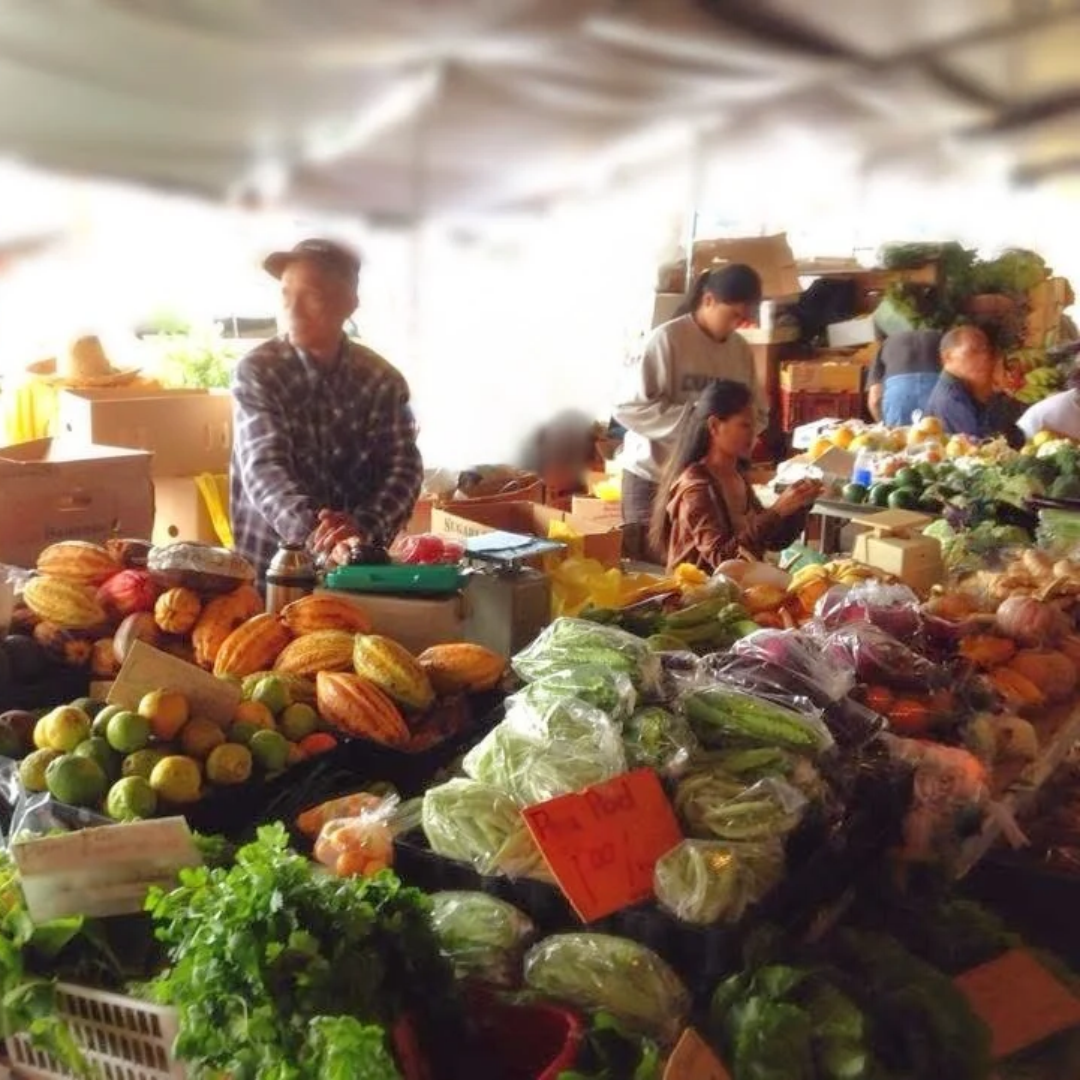
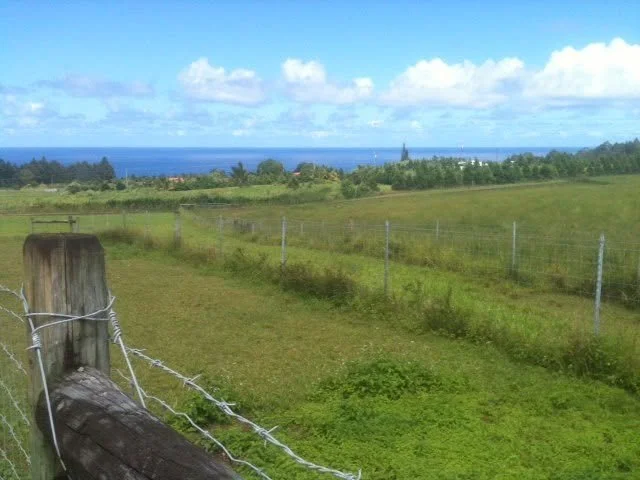
Hawaiʻi Island grows food.
We have farmers, ranchers, fishers, food producers, backyard growers, community organizations, food hubs, and families who have fed one another across generations.
And yet too many people on our island still struggle to get enough nutritious food.
That contradiction sits at the heart of Hawaiʻi Island’s food security challenge.
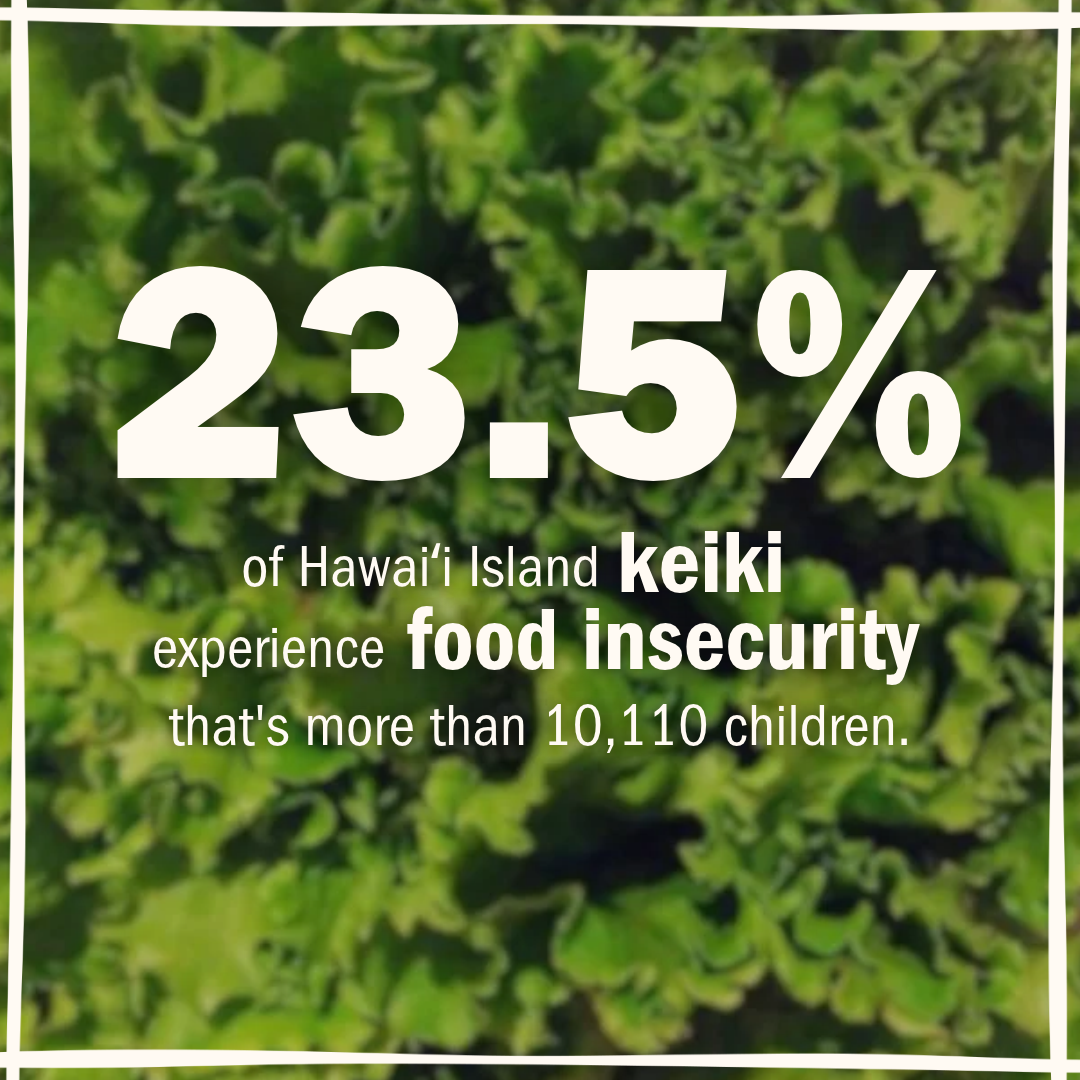
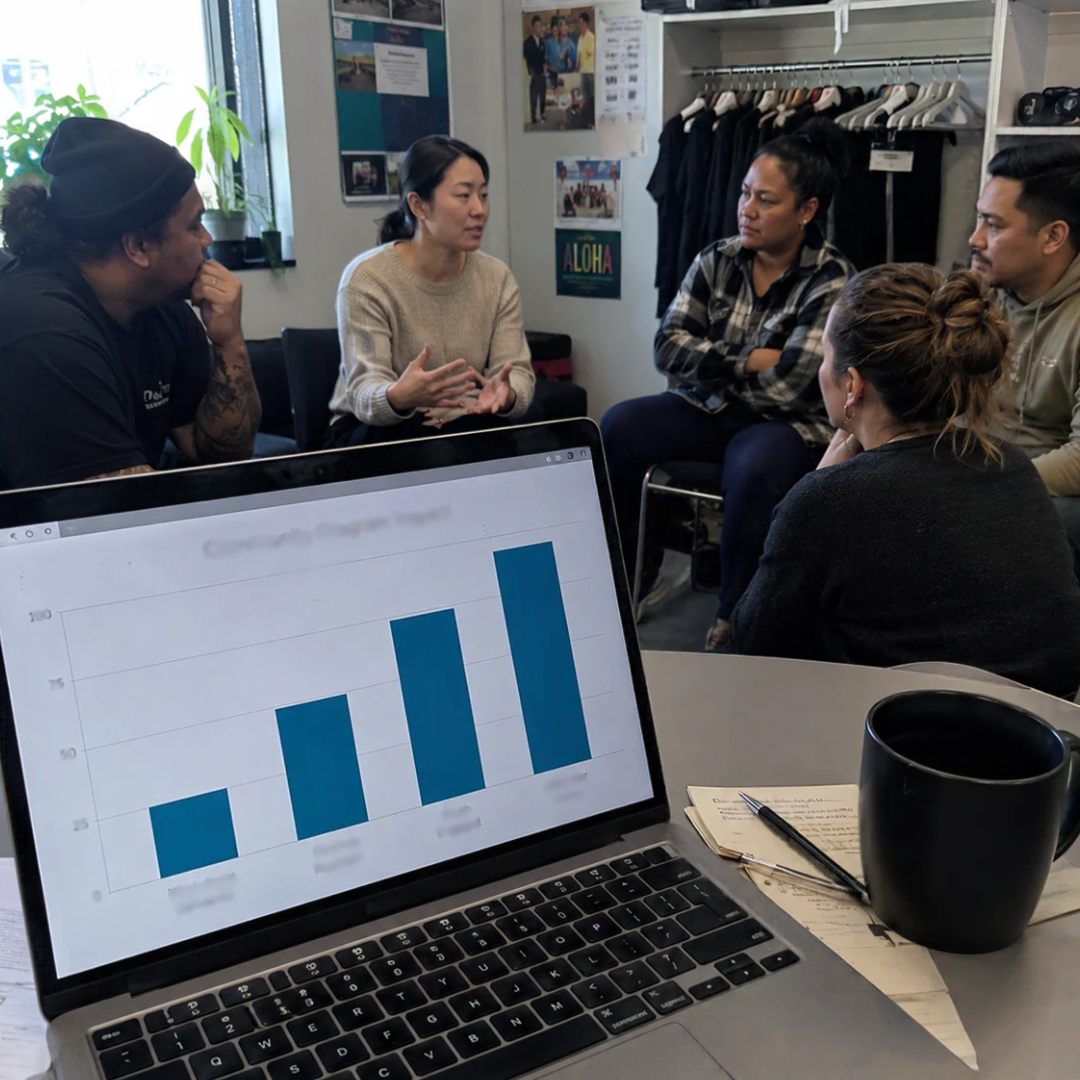
The Hawaiʻi Island Agriculture Partnership's County of Hawaiʻi Agriculture and Food System Plan Preliminary Report paints a sobering picture. According to the report, 23.5% of children in Hawaiʻi County experience food insecurity — more than 10,110 children. The county faces an estimated $29.5 million annual food budget shortfall among food-insecure households, and the average meal cost is estimated at $5.41.
Those numbers tell us something important:
Food insecurity is not simply about whether food exists.
It is about whether people can afford it, reach it, obtain it consistently and access food that is nutritious and appropriate for their families.
Food insecurity is an access problem
The report defines food security as ensuring that people have physical, social and economic access to sufficient, safe and nutritious food.
All three parts matter.
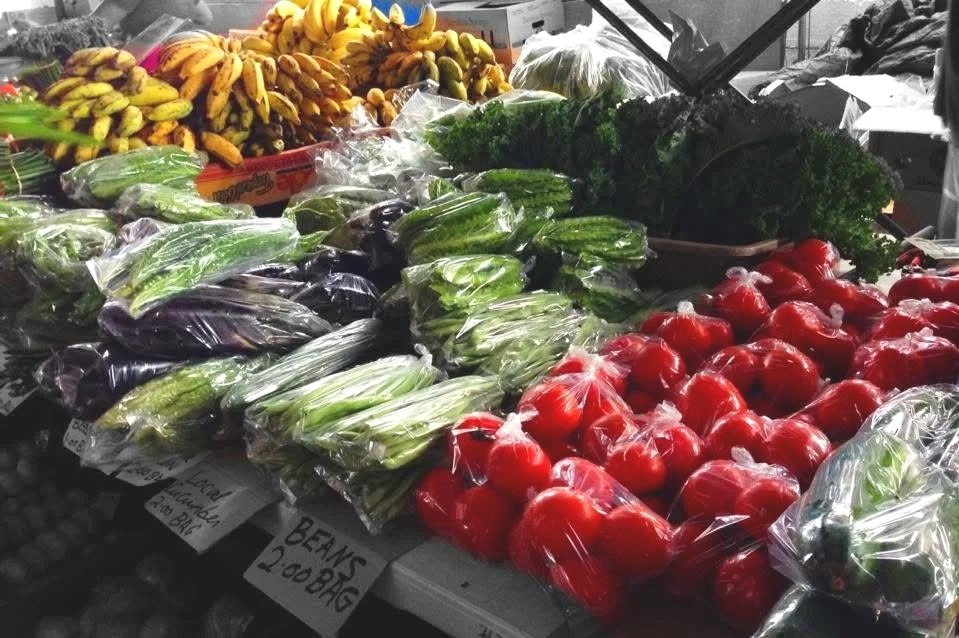
A family may live on an island where lettuce, kalo, ʻulu, beef, fruit, eggs or other foods are being produced and still be unable to put those foods on the table.
Why?
The price may be too high.
The nearest retailer carrying locally grown foods may be too far away.
Transportation may be unreliable.
A community may not have consistent distribution.
A farmer may have a crop ready to sell but no affordable way to aggregate, refrigerate, process or move it to the people who need it.
That is why food insecurity cannot be solved by telling families to "make better food choices."
Choices depend on what the system makes possible.
The report specifically notes that rural communities and ALICE households — families who are working but remain Asset Limited, Income Constrained and Employed — experience disproportionate challenges with food access. It also identifies geographic disparities in food distribution as an ongoing problem.
Our dependence on imported food adds another layer
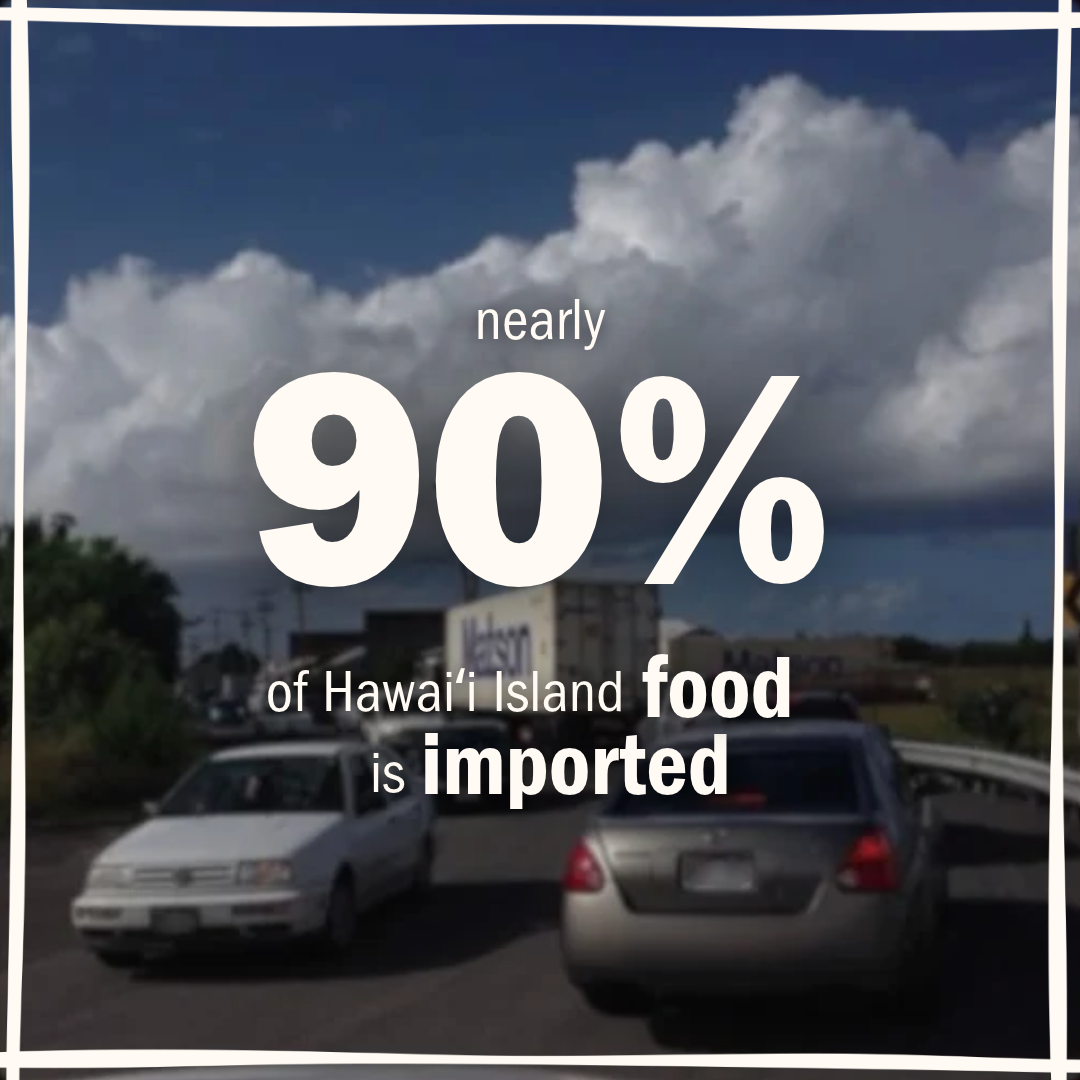
The report estimates that 85–90% of the food consumed on Hawaiʻi Island is imported.
That level of dependence affects more than our grocery shelves.
It leaves our island vulnerable when shipping and supply chains are interrupted. It contributes to transportation costs. And it means the food security of an isolated island community depends heavily on systems thousands of miles away.
COVID-19 offered a glimpse of that vulnerability.
It also showed us something else.
Local farmers adapted.
According to the report, producers quickly developed direct-to-consumer delivery systems when conventional supply chains were disrupted. Food hubs and cooperative models have also helped aggregate and distribute locally grown foods.
In other words, local agriculture is not simply an economic sector.
It is part of our community resilience infrastructure.
But growing more food is only part of the solution
Increasing local production matters, but food sitting on a farm does not automatically become food on a family's table.
It has to move.
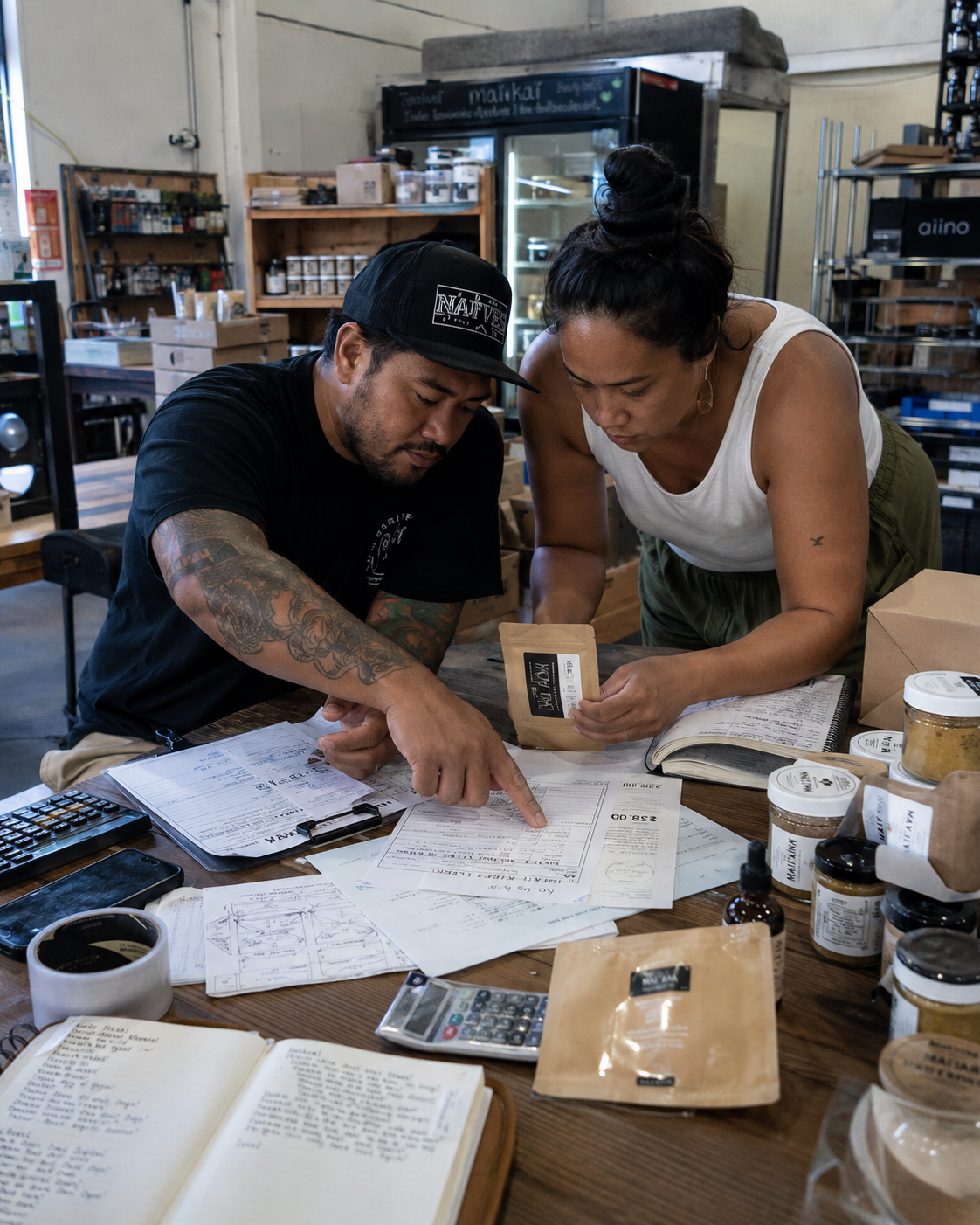
It may need to be washed, processed, inspected, refrigerated, packaged, transported, aggregated and purchased.
And each step can become a barrier.
The report calls for stronger distribution networks, transportation infrastructure, cold storage, processing capacity and partnerships capable of moving food more equitably across Hawaiʻi Island.
That means addressing food insecurity requires us to look beyond hunger relief alone.
Emergency food assistance is essential, and organizations providing it perform critical work.
But the longer-term question is:
What would need to change so fewer families become food insecure in the first place?
What can we work toward?
There is no single solution, but there are concrete directions we can pursue together.
We can strengthen local farms and producers so producing food remains economically viable.
We can invest in aggregation, transportation, refrigeration, processing and shared infrastructure that helps locally produced food reach more communities.
We can examine institutional purchasing practices so schools, healthcare organizations, government agencies and other large buyers have more realistic pathways for purchasing Hawaiʻi-grown food.
We can improve affordable access to local food in rural and lower-income communities.
And we can listen closely to the people experiencing these systems every day.
Because statistics can tell us where a problem exists.
They cannot always tell us why.
A farmer knows where distribution breaks down.
A parent knows what food costs in their neighborhood.
A food hub knows where storage is missing.
A small producer knows which requirements make an institutional contract almost impossible to obtain.
A rural resident knows what "access" actually looks like when transportation, distance and price are factored in.
That ʻike matters.
Our Food. Our Future.
Changemakers Hawaiʻi is launching ʻĀinapreneur: Our Food, Our Future, connected to our Robert Wood Johnson Foundation-supported work examining healthy food access across Hawaiʻi Island.
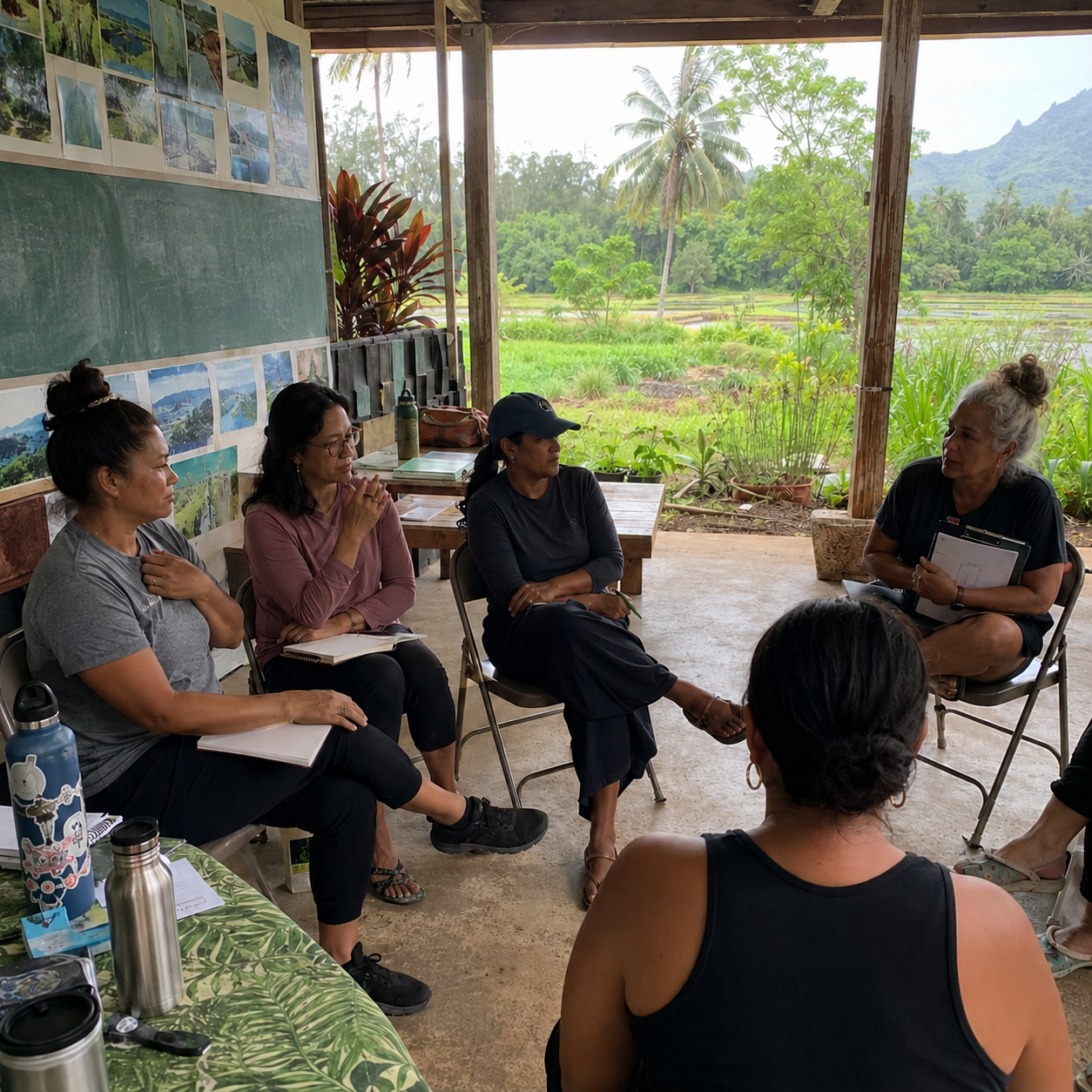
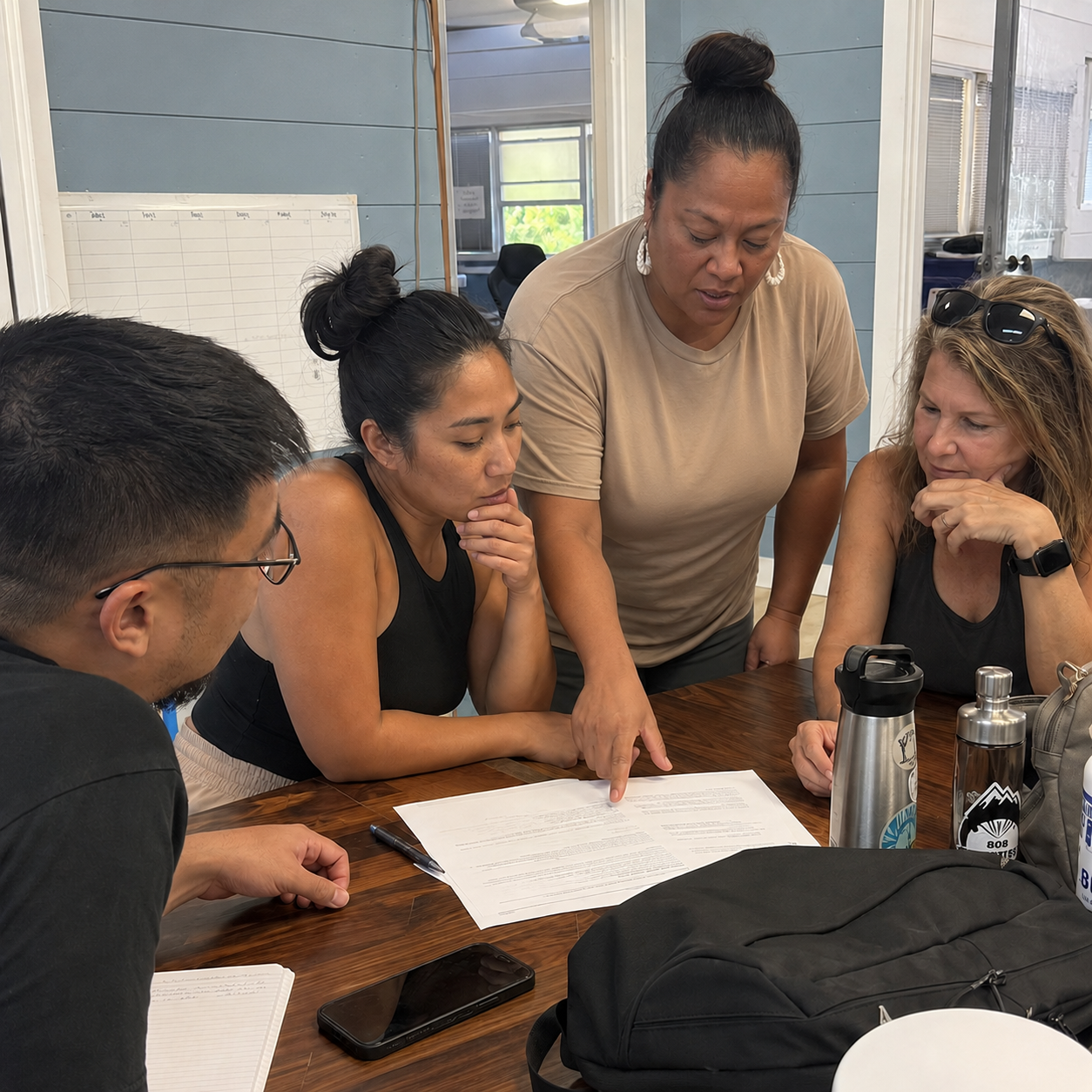
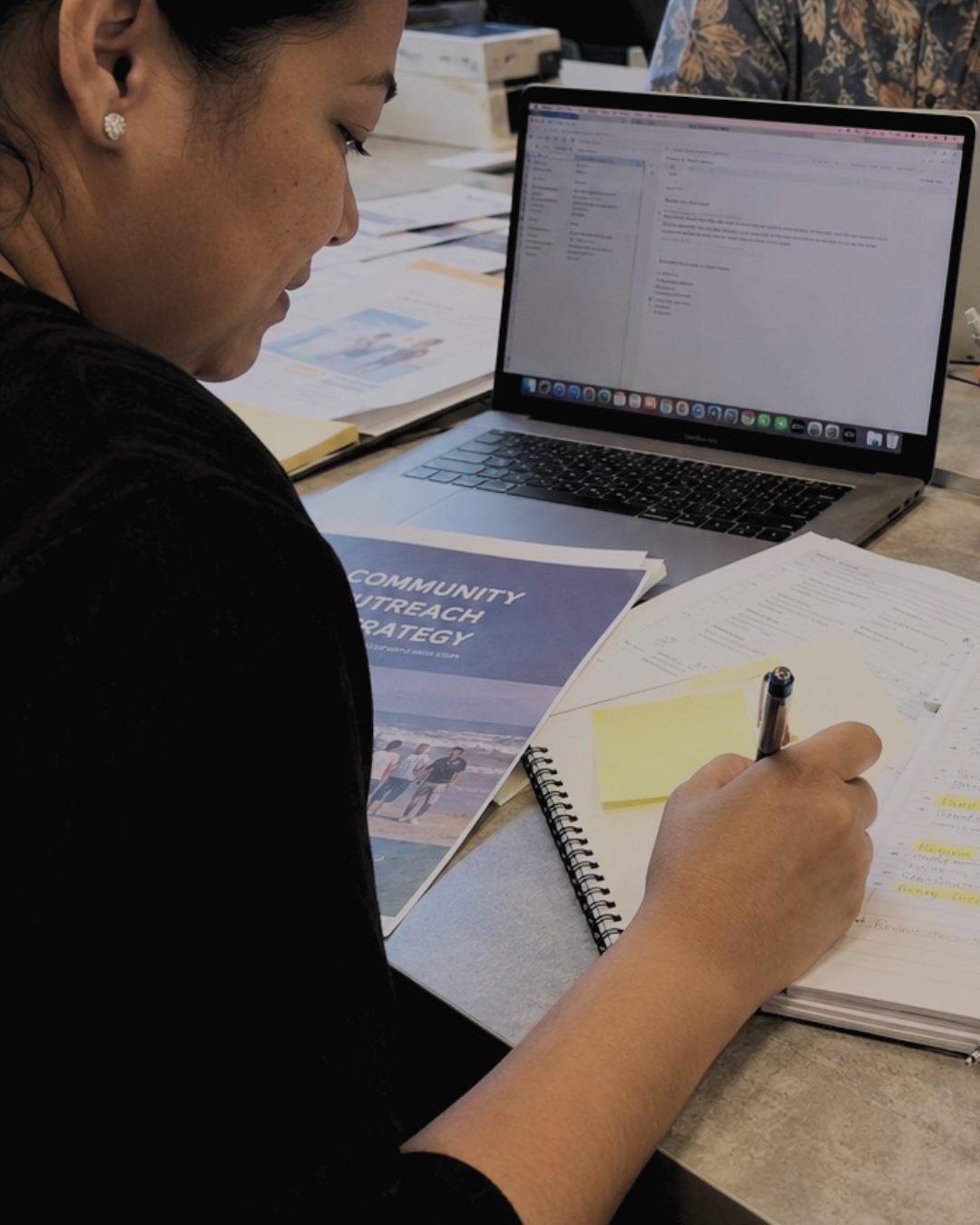
We will be gathering community manaʻo and ʻike from farmers, producers, distributors, retailers, food hubs, institutional buyers, community organizations and residents to better understand where the barriers are — and what changes could actually make a difference.
Our work will examine questions around infrastructure, distribution, affordability, procurement, processing, cold storage and access to Hawaiʻi-grown foods. Through surveys, community listening sessions, participatory mapping and research, we want to help turn lived experience into information that can inform investment and policy decisions.
Because the people closest to Hawaiʻi Island's food system should have a voice in designing its future.
If you grow food, move food, sell food, buy food, prepare food — or have struggled to access healthy food — we want to hear from you.
Join ʻĀinapreneur: Our Food, Our Future and share your manaʻo.
Our food future belongs to all of us.
DISCOVER MORE