
Beyond Funder Metrics
PAST PODS

When Funder Metrics Do Not Reflect What Matters to Your Community
A funder wants numbers.
Your community wants to be heard.
Your staff wants a reporting system they can actually manage.
And you are trying to make all three work together.
This is one of the most difficult evaluation challenges nonprofit leaders face.
The issue is not that funder requirements are unimportant. Organizations need to show how resources were used and what results were achieved.
The problem begins when those requirements become the entire evaluation system.
What Gets Lost in Translation
Funders often ask for clear, standardized measures.
How many people participated?
How many completed the program?
What percentage showed improvement?
How did results compare with the target?
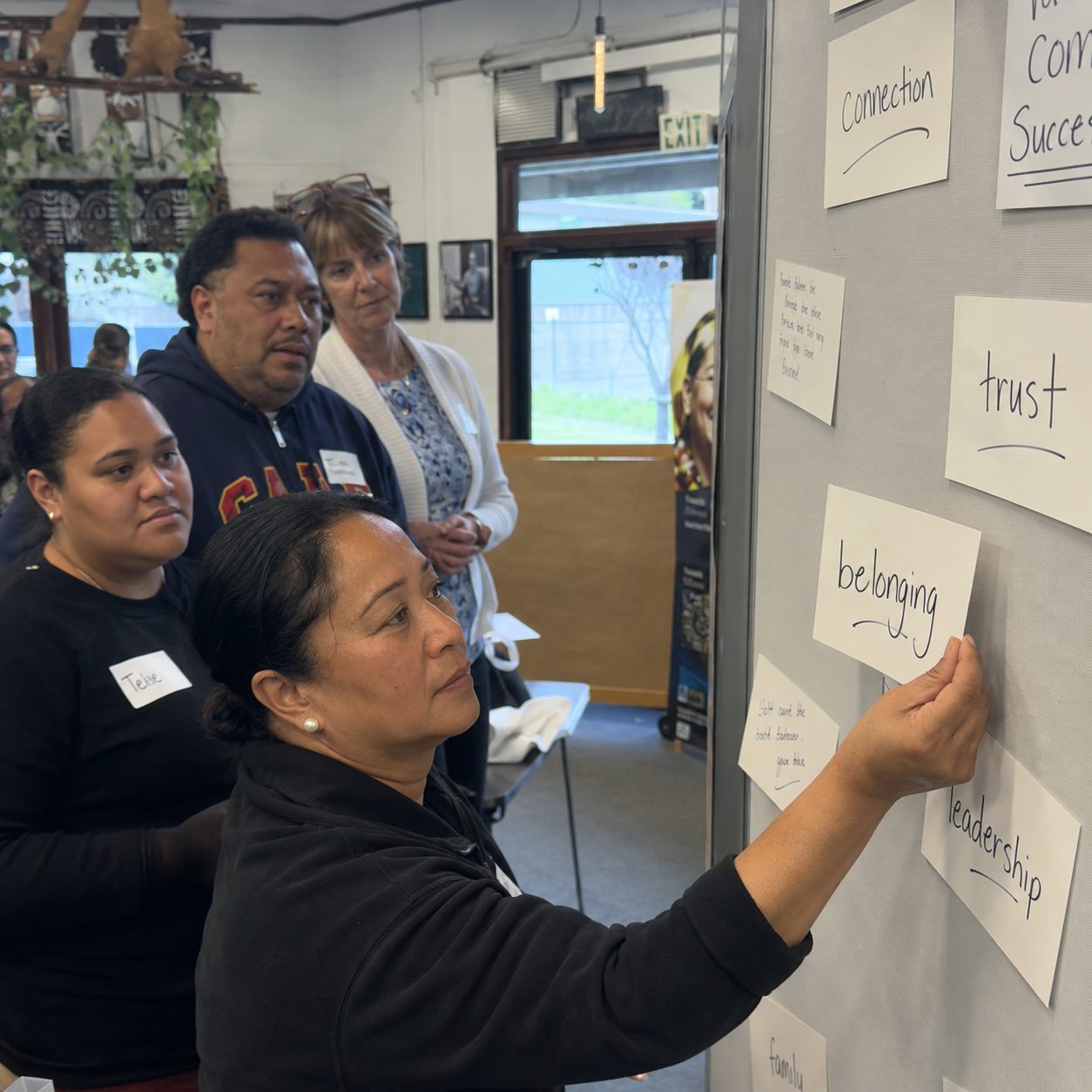
These questions can be useful, but they may not capture the full value of community-based work.
A program may create changes in trust, belonging, confidence, cultural connection, or family relationships.
Those changes matter.
But they may be difficult to fit into a standard reporting form.
As a result, nonprofit leaders can feel like they are translating deep, relational work into language that makes the work look smaller than it really is.
The False Choice
Many organizations feel caught between two options:
Design evaluation around community priorities and risk not satisfying the funder.
Or design evaluation around the funder and risk losing the meaning of the work.
That is a false choice.
A strong evaluation system can do both.
It can produce clear, useful information for funders while also honoring the questions, values, and outcomes that matter to the community.
The key is to design the system intentionally rather than beginning with the funder report.
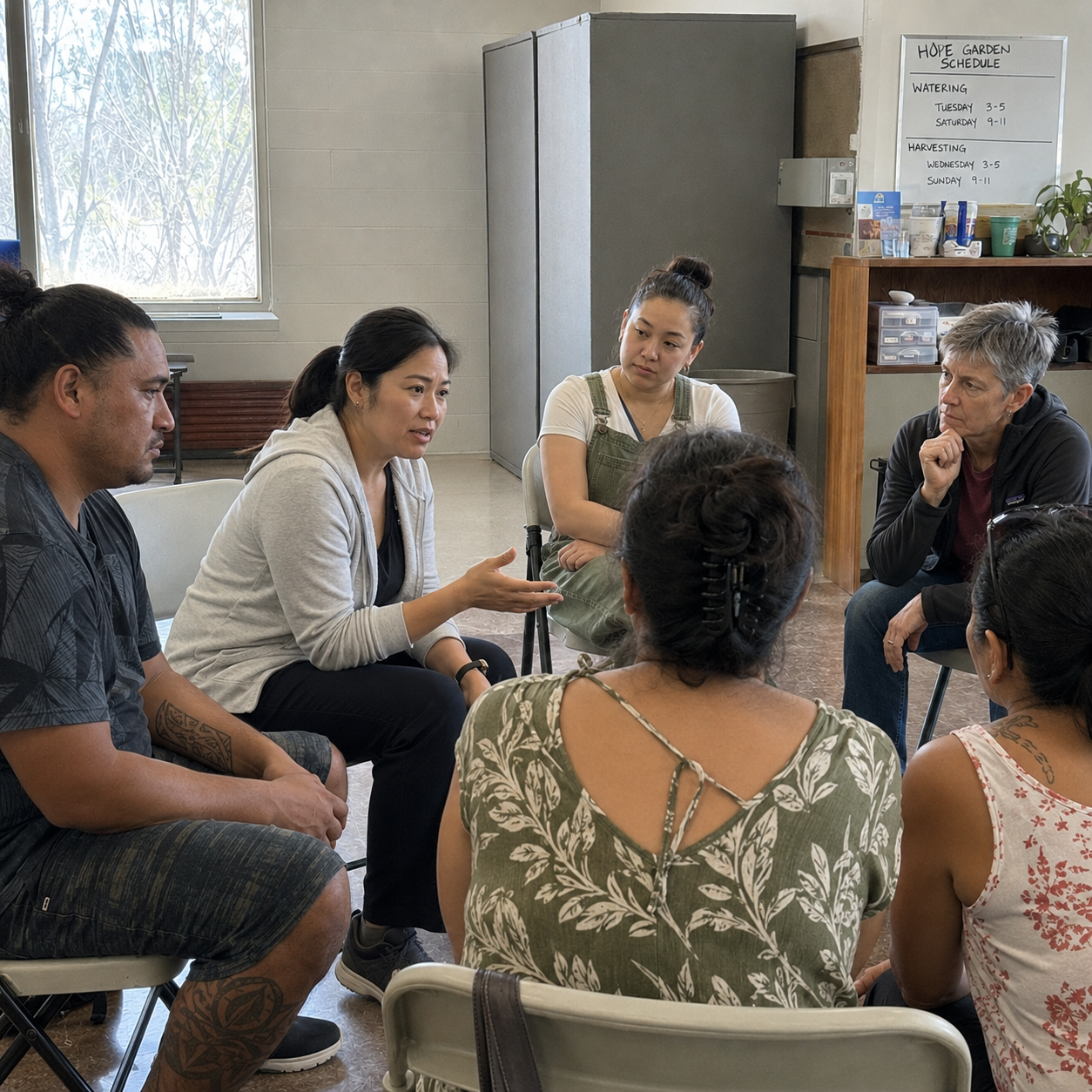
Start With Community Priorities
Before deciding what to measure, organizations need to ask:
What does success look like to the people involved?
What changes would participants recognize as meaningful?
What does the community want the organization to learn?
What information should remain protected?
Who should have a role in interpreting the findings?
These questions help keep the evaluation grounded in relationships and accountability.
They also help organizations avoid collecting information that is easy to count but not especially meaningful.
Then Do the Translation Work
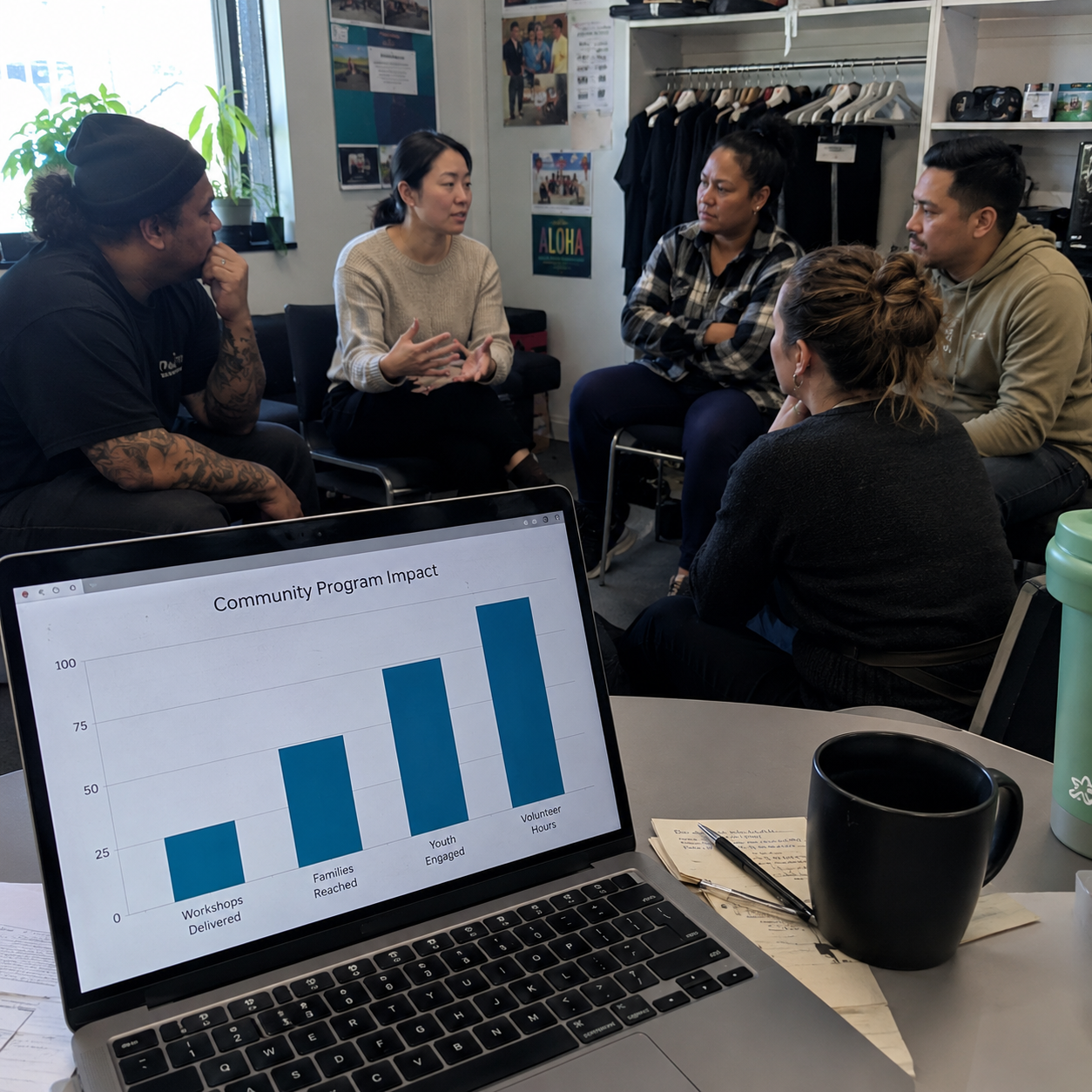
Once community priorities are clear, nonprofit leaders can translate those priorities into outcomes and indicators that funders can understand.
For example, a community may define success as participants feeling more connected and supported.
That could be communicated through:
Participant reflections
Changes in self-reported belonging
Retention and continued participation
Family or community observations
Examples of peer support
Participation in leadership roles
This approach does not reduce the community’s experience to a single number.
Instead, it uses several forms of evidence to tell a stronger story.
How the Indigenous Evaluation & Data Sovereignty Series Helps
The series supports participants to build evaluation plans and explore how to communicate community-defined impact in ways that are clear to funders without allowing funder language to replace the community’s story.
Better Evaluation Creates Better Conversations
A strong evaluation plan can change the relationship between a nonprofit and its funders.
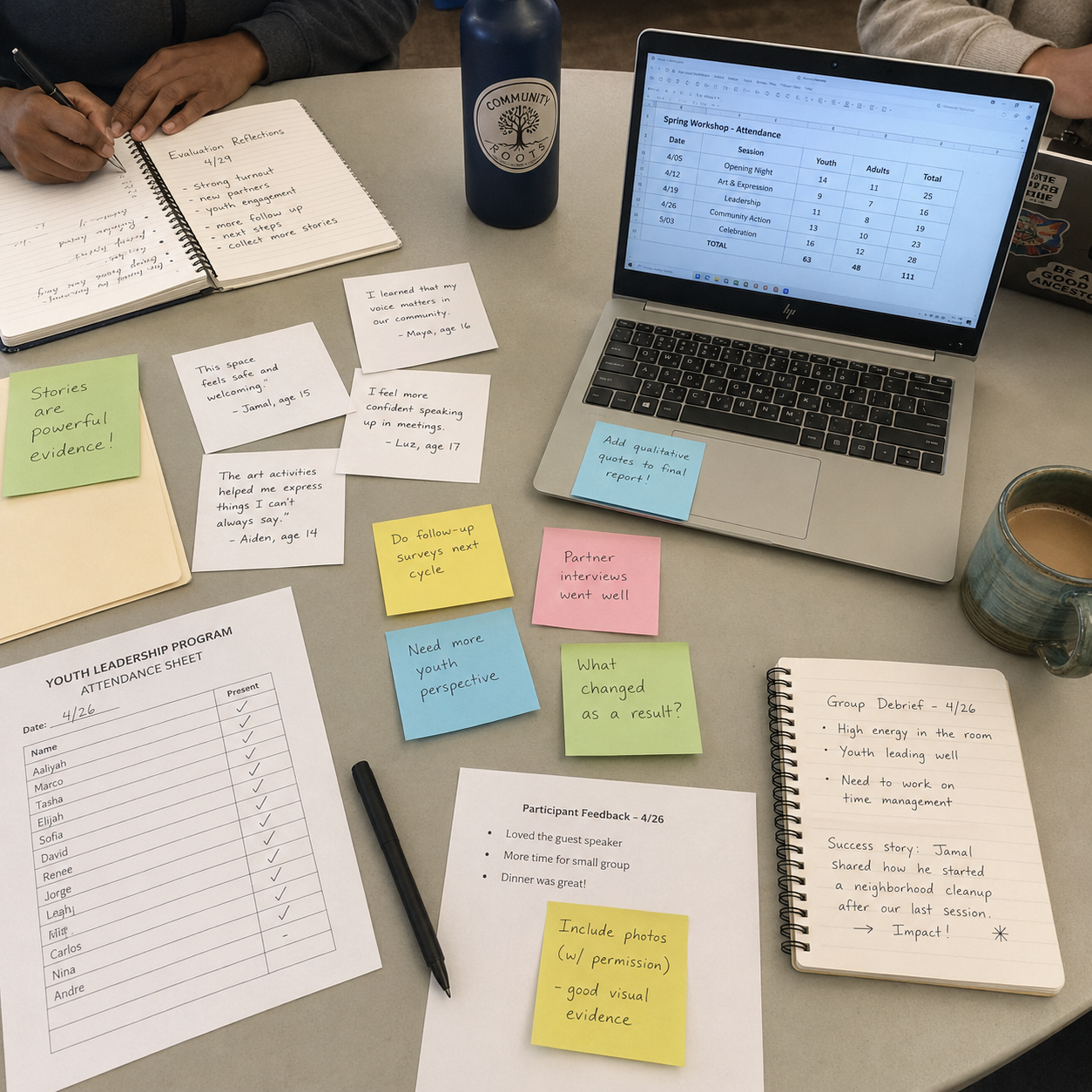
Instead of simply responding to reporting requirements, the organization can explain why particular measures were chosen, what the findings mean, and how the information will be used.
This gives nonprofit leaders a stronger position from which to advocate for reporting practices that are realistic, respectful, and useful.
It also makes it easier to show that community-centered evaluation is not less rigorous.
It is often more thoughtful, more relevant, and more accurate.
You Should Not Have to Choose
Your organization should not have to choose between honoring the community and meeting funder expectations.
The goal is to create an evaluation system where both can be addressed with integrity.
Ready to Build an Evaluation Plan That Serves Your Community and Your Funders?
If you haven’t already, it’s not too late to join the Indigenous Evaluation & Data Sovereignty Series with Dr. Sofia Locklear.
DISCOVER MORE