
Your Program Goals Are Clear.
PAST PODS

But Your Evaluation Plan Isn’t.
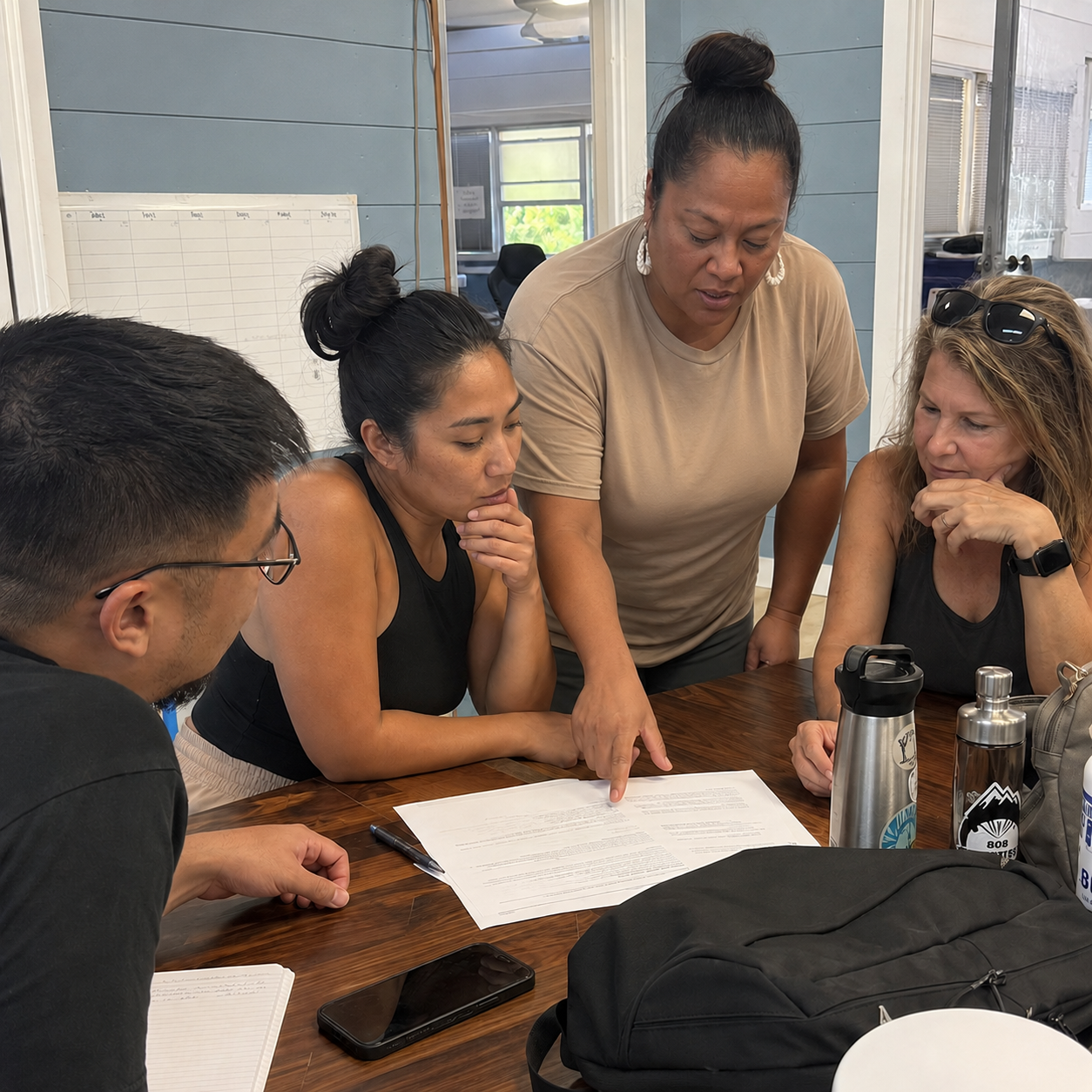
You know what your program is trying to accomplish.
You may want young people to feel more connected, families to have greater stability, or community members to build confidence and leadership.
But when it is time to turn those goals into an evaluation plan, things can get complicated quickly.
What should you measure?
What counts as progress?
How do you write an evaluation question that is specific enough to be useful without reducing the work to a number?
For many nonprofit leaders, this is where evaluation starts to feel confusing.
The Gap Between a Good Goal and a Useful Measure
Program goals are often broad because the work itself is complex.
A goal like “strengthen community connection” may be meaningful, but it is not automatically easy to measure.
That can leave organizations relying on the most accessible data:
Attendance
Number of services delivered
Number of participants
Number of events held
Survey completion rates
These measures are useful, but they mostly describe activity.
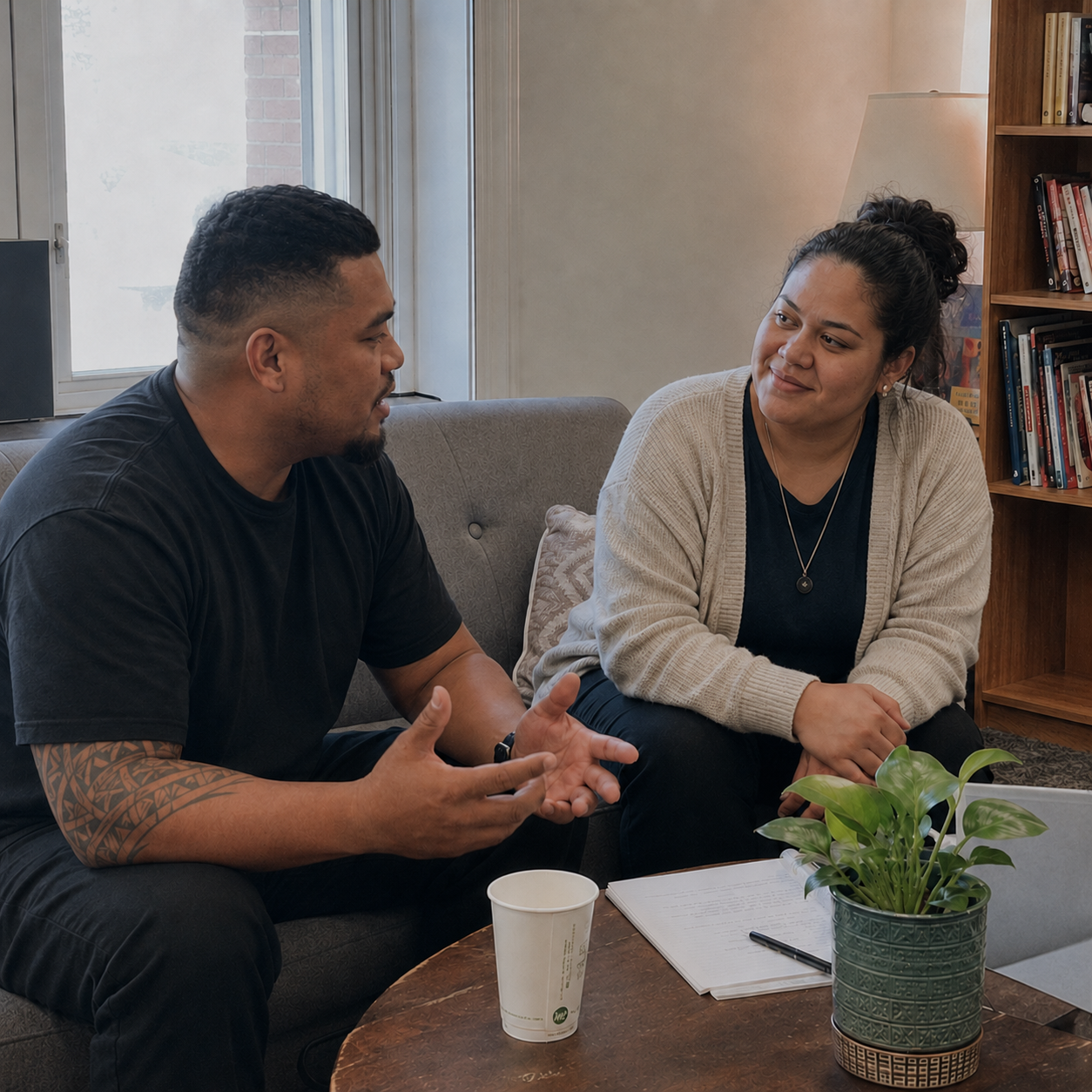
They do not always show whether the program created the change it was designed to create.
A nonprofit may know that 75 people attended a workshop. But did they gain knowledge? Did they feel supported? Did they use what they learned? Did the experience strengthen relationships?
Those are different questions, and they require a more thoughtful evaluation approach.
Why This Is So Difficult
Most nonprofit leaders were not trained as evaluators.
They are expected to lead programs, manage staff, support community members, build partnerships, raise funds, and report results.
Evaluation is often added to that list without enough time, guidance, or resources.
As a result, leaders may create outcomes that are too broad, too ambitious, or disconnected from the actual program.
They may also collect data because a funder asks for it, without knowing whether that information will help improve the work.
This creates more reporting without necessarily creating more understanding.
What a Strong Evaluation Question Can Do
A strong evaluation question gives an organization direction.
Instead of asking, “Was the program successful?” a nonprofit might ask:
Did participants feel more confident using the skills they learned?
Did families report stronger access to support?
Did participants increase their involvement in community activities?
What parts of the program were most meaningful?
What barriers kept people from fully participating?
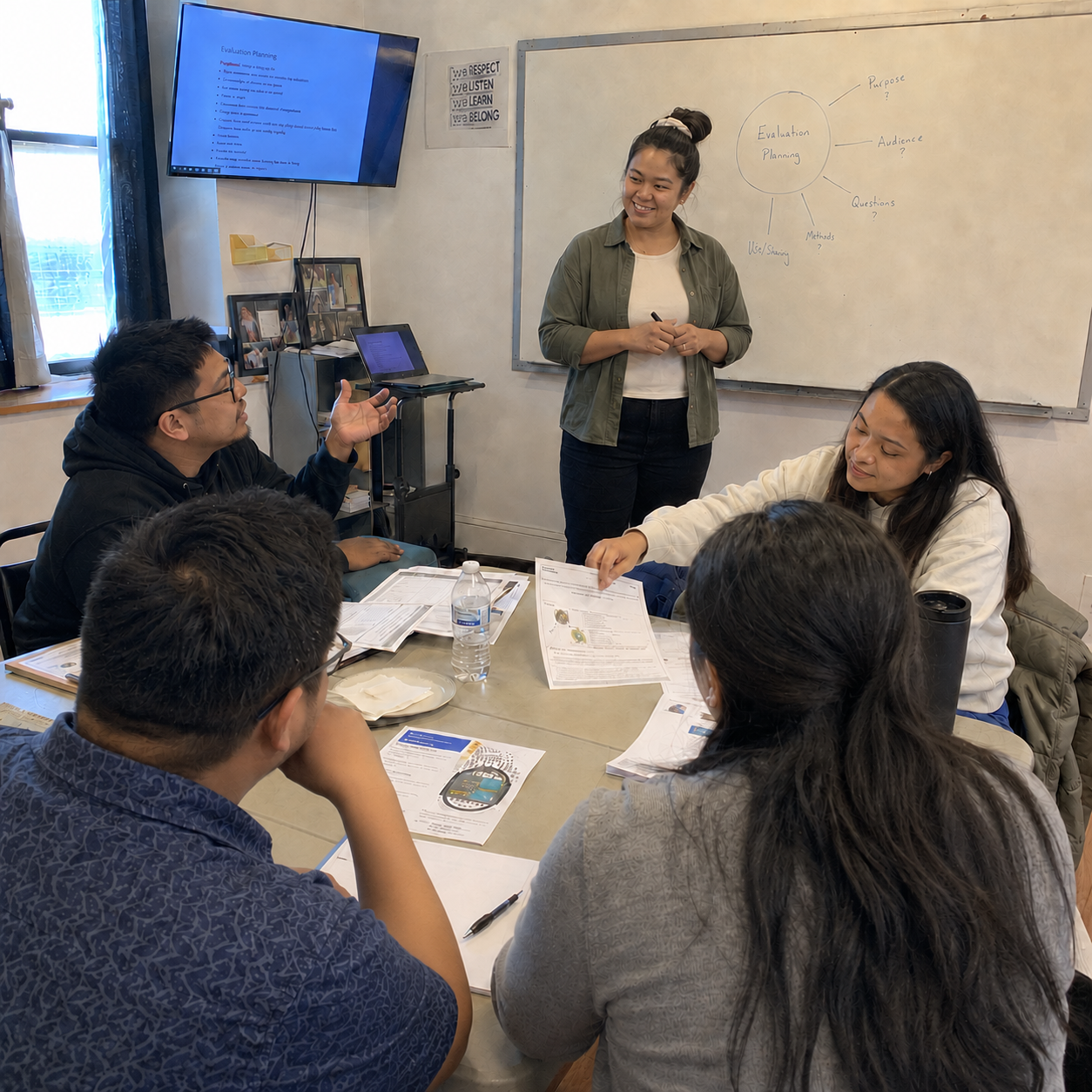
These questions are more specific, but they still allow room for depth and context.
They help the organization decide what information to collect and why.
How the Indigenous Evaluation & Data Sovereignty Series Helps
The first interactive, live session of the Indigenous Evaluation & Data Sovereignty Series is designed to help participants move from broad goals to practical evaluation systems.
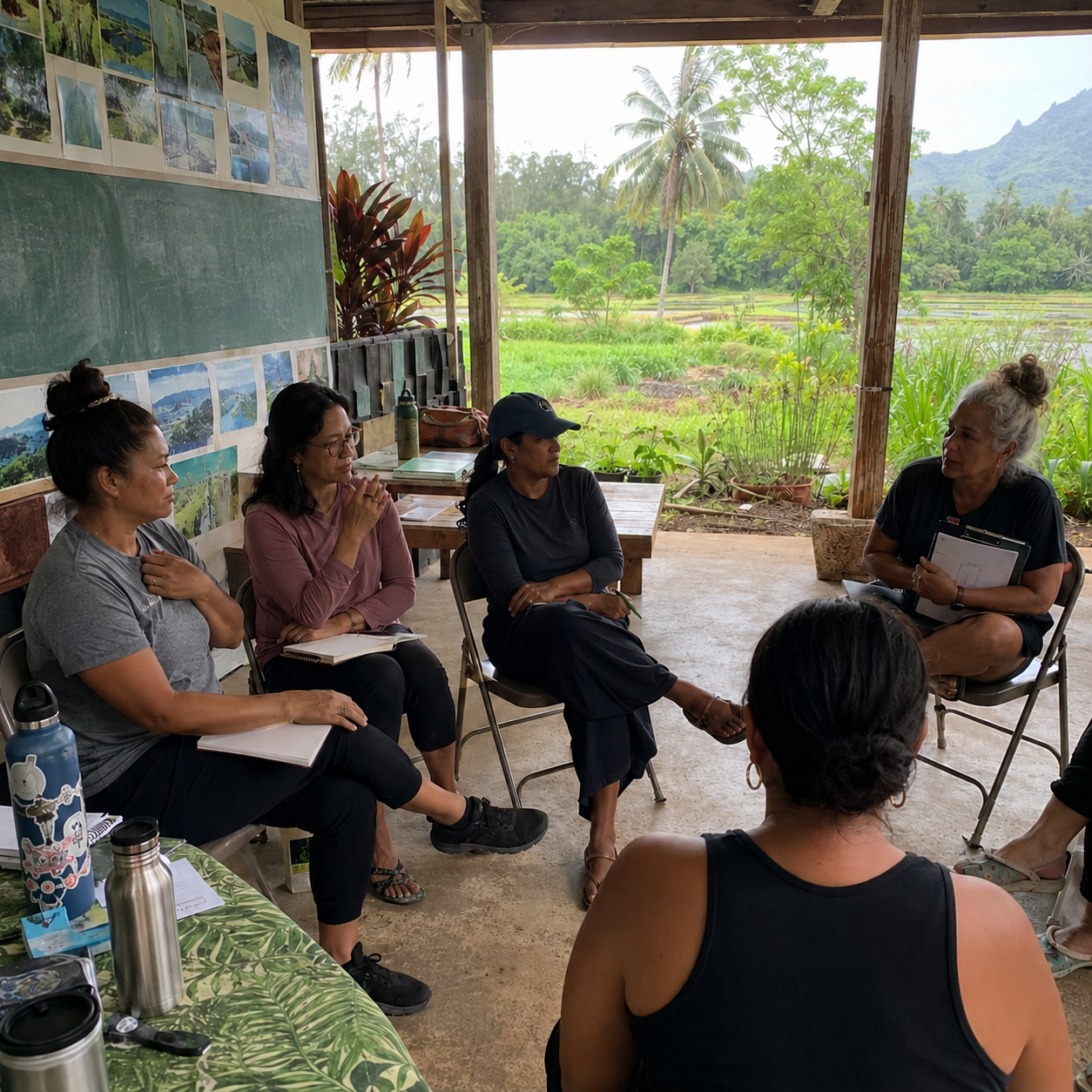
During the interactive workshop, participants will share and discuss ideas presented in the pre-recorded videos of the series and think about practical ways that Indigenous evaluation can be used in their work.
The series is not about forcing every program into the same template. It’s a place where you can talk with others about Indigenous evaluation.
And, it is about giving nonprofit leaders a practical process they can adapt to their own work.
From Guesswork to Clarity
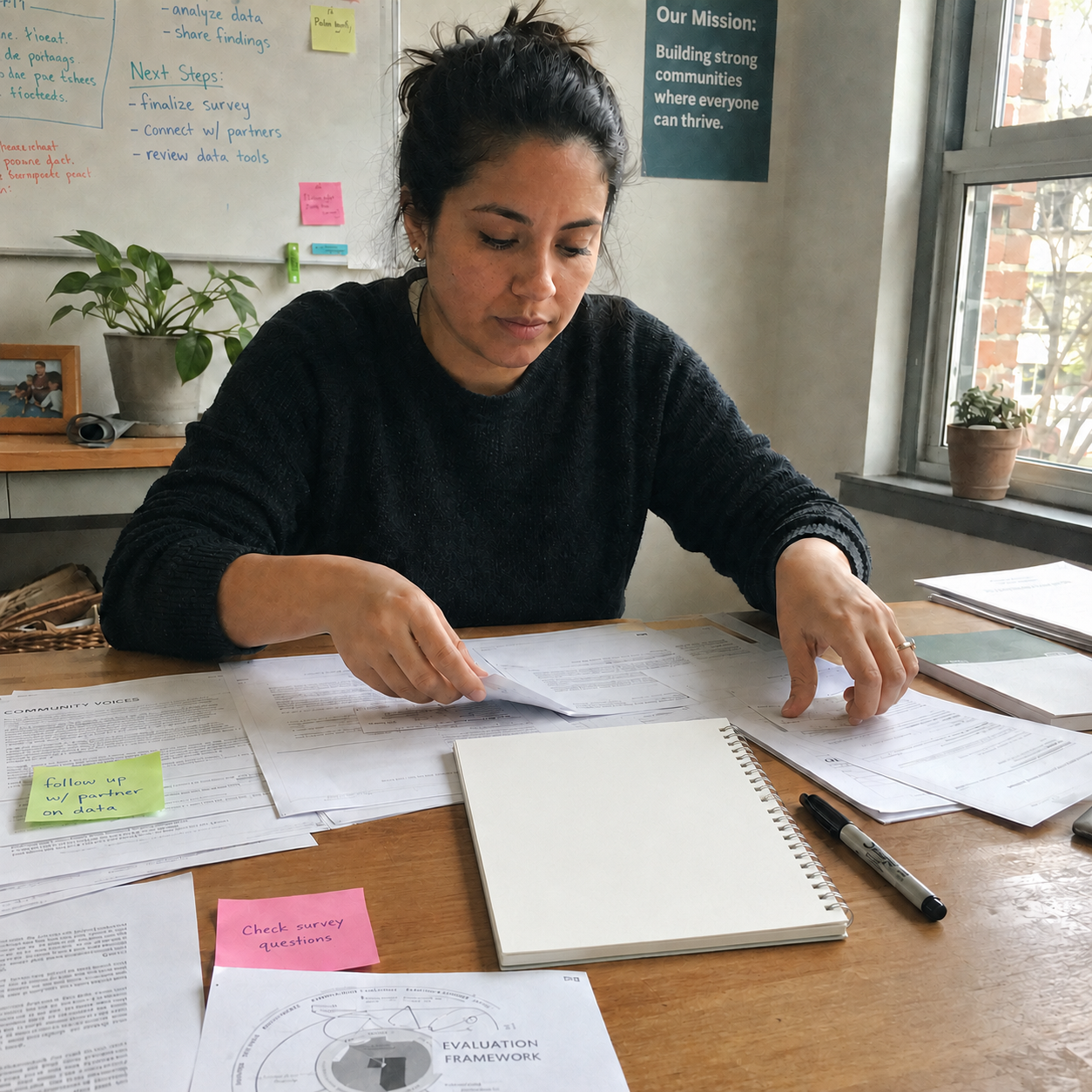
When an organization has clear evaluation questions, everything else becomes easier.
Staff know what to pay attention to.
Data collection becomes more focused.
Reporting becomes more consistent.
Program teams can review findings and make decisions with greater confidence.
Most importantly, the organization gains a clearer picture of whether the program is creating the change it intended to create.
Evaluation should not feel like guessing.
It should help leaders connect the work they are doing with the impact they are trying to achieve.
Ready to Turn Your Program Goals Into a Practical Evaluation Plan?
If you haven’t already, it’s not too late to join the Indigenous Evaluation & Data Sovereignty Series with Dr. Sofia Locklear.
Watch the videos and come to the live sessions with any questions you may have about Indigenous evaluation.
DISCOVER MORE