
When Data Isn’t Enough
PAST PODS


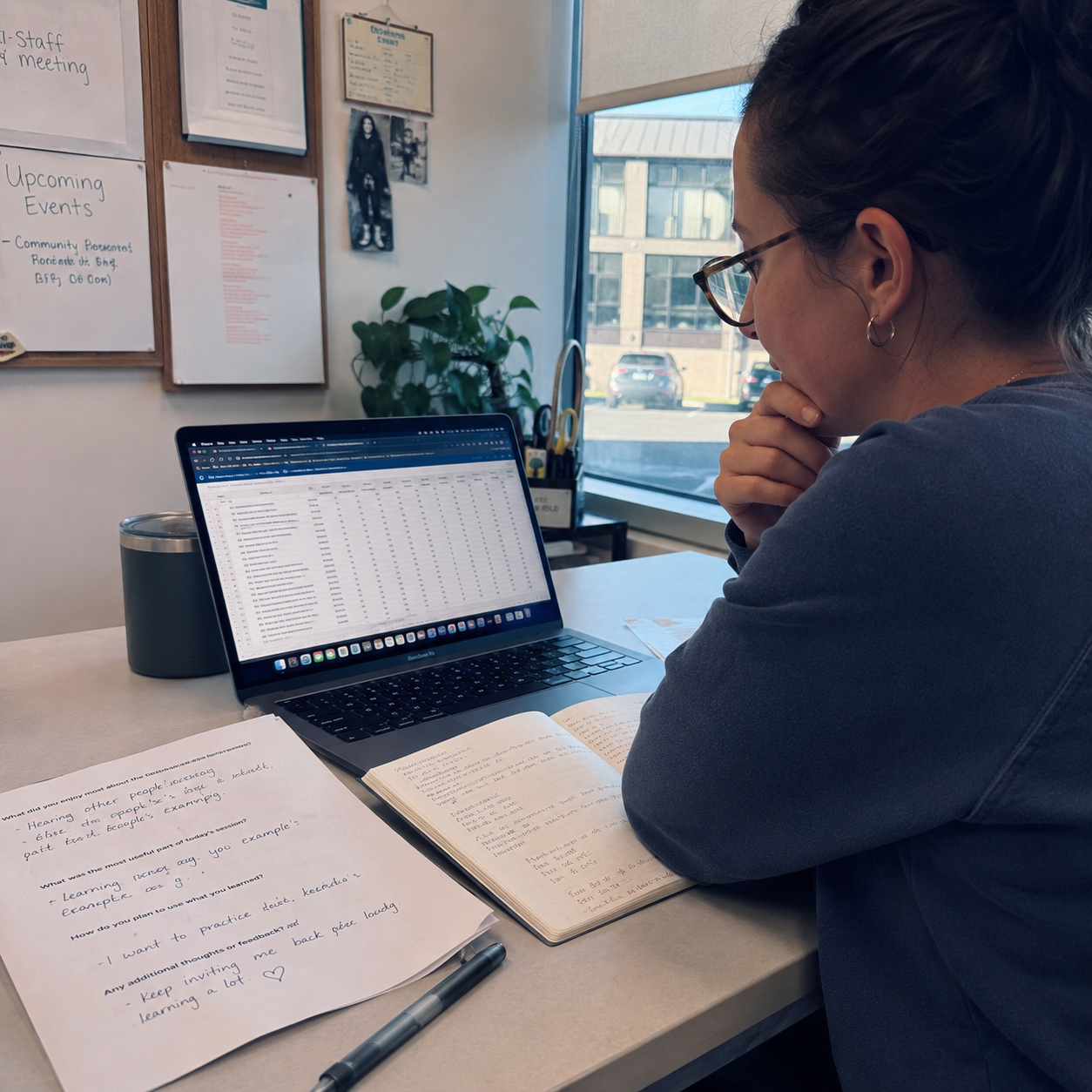
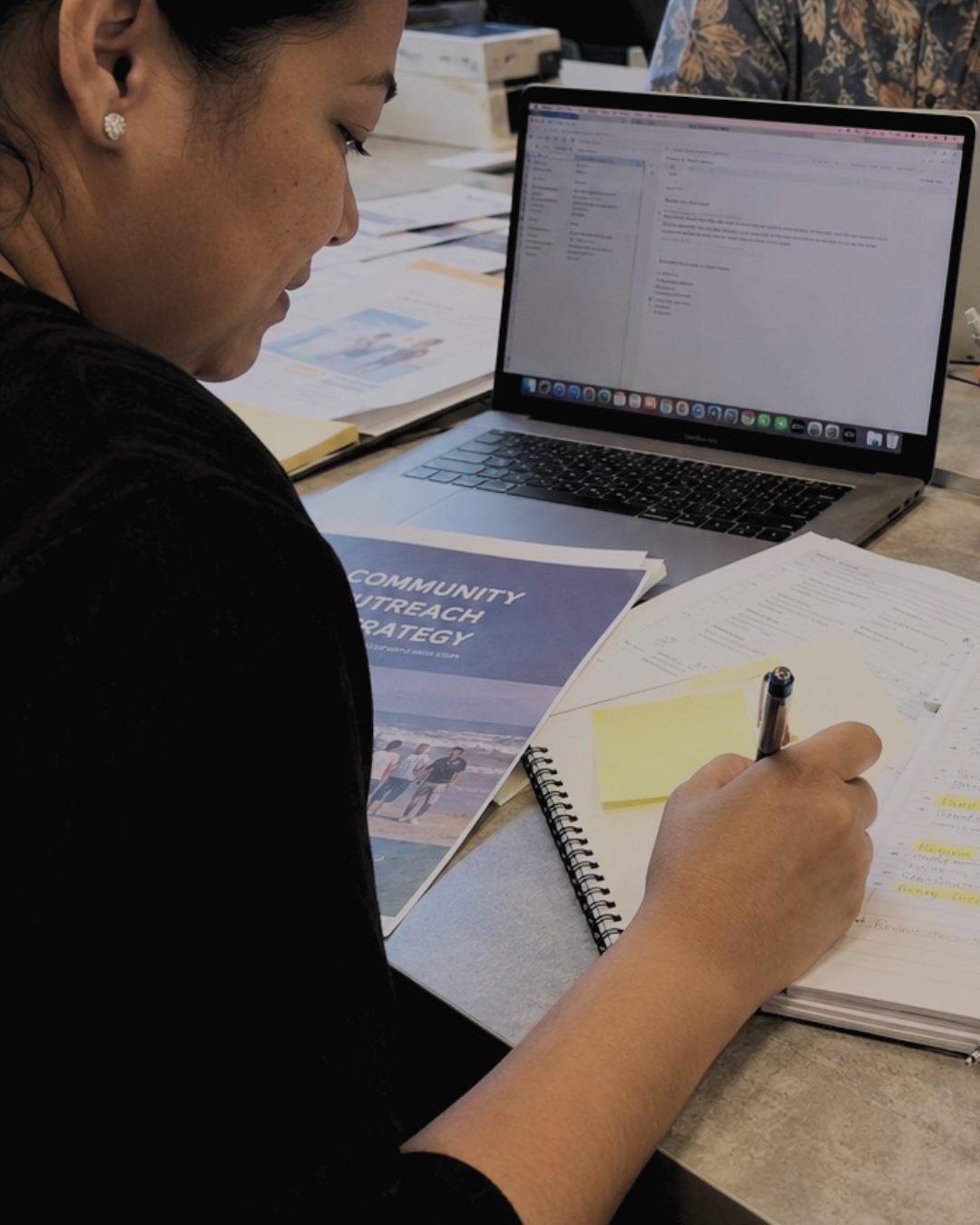
Many nonprofit leaders know this frustration well: You have sign-in sheets. You have surveys. You have spreadsheets. You have grant reports. And yet, when someone asks, “What difference did your program make?” the answer still feels harder than it should.
The problem is often not a lack of data.
It is a lack of clarity about what information matters, how to collect it, and how to use it in a way that serves both the community and the organization.
More Data Does Not Always Mean Better Data
Nonprofits are often asked to collect a wide range of information for funders, partners, and internal reports.
That can include:
Participant demographics
Attendance totals
Services delivered
Pre- and post-survey results
Participant stories
Referral numbers
Program milestones
Over time, these requirements can create a patchwork of forms, spreadsheets, and reporting systems.
Staff collect information because it is required, but may not always know:
Why the data is being collected
How it will be used
Whether it reflects what the community values
Who should have access to it
Whether collecting it creates unnecessary burden
This is how data collection becomes another task instead of a useful organizational practice.
Numbers Tell Part of the Story
Quantitative data is important.
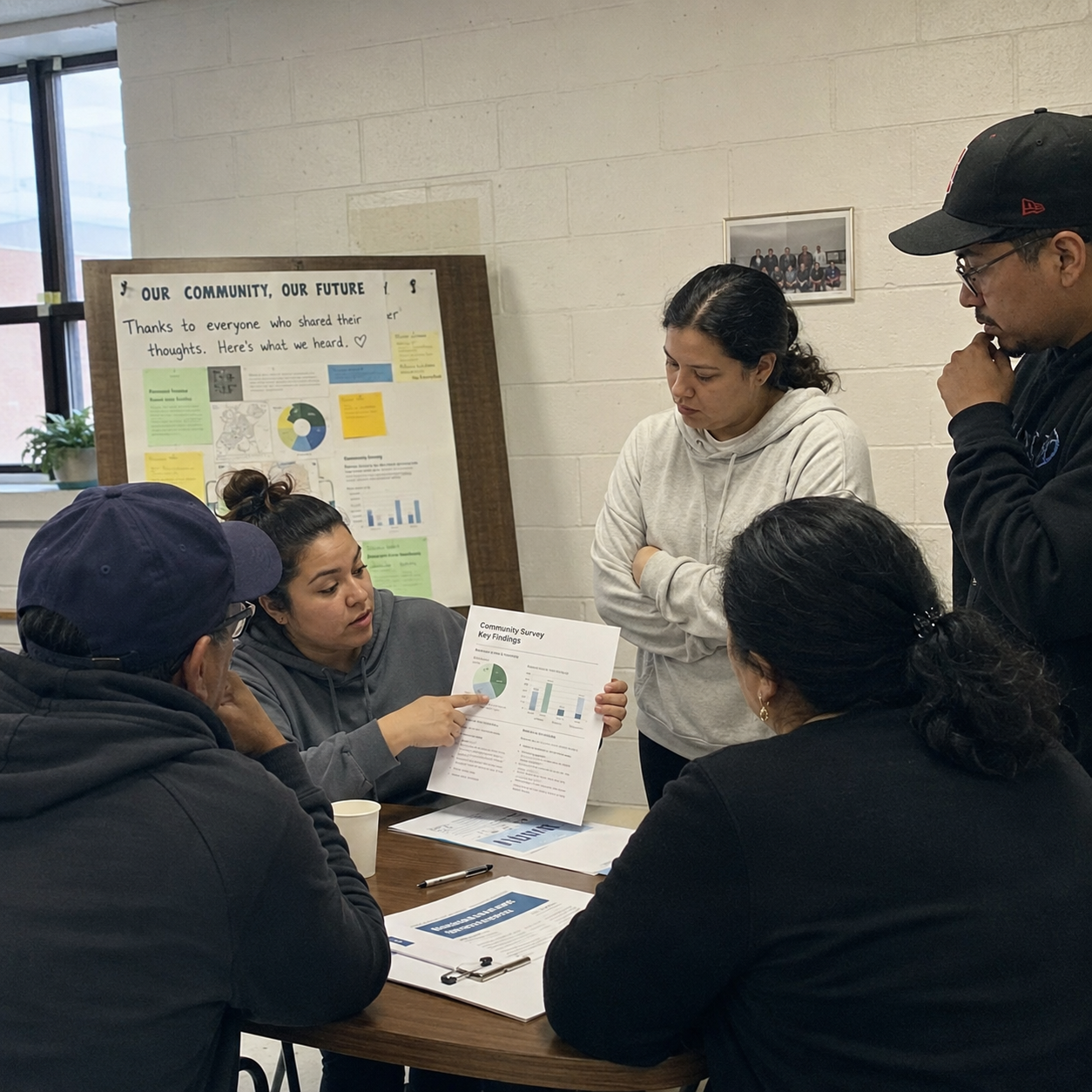
It can show how many people participated, how often services were provided, or whether a measurable change occurred.
But numbers alone rarely capture the full impact of community-based work.
A youth program may report that 40 participants completed a workshop. That tells us reach, but not necessarily meaning.
What did young people learn?
Did they feel more connected?
Did they gain confidence?
Did their relationships change?
Did they take what they learned back to their families or communities?
Those questions often require qualitative information, such as stories, interviews, observations, and participant reflections.
The Indigenous Evaluation & Data Sovereignty Series helps nonprofit leaders understand how qualitative and quantitative information can work together.
The goal is not to choose one over the other. It is to collect the right combination of information to tell a fuller and more accurate story.
Data Is Not Neutral
Data is often treated as a set of facts that exists outside of relationships and context.
But every data system reflects choices.
Someone decides what questions are asked, what counts as evidence, how information is interpreted, and who gets to see the results.
For Indigenous communities, these choices are especially important because research and data collection have often been extractive. Information has been taken from communities, interpreted by outsiders, and used without meaningful community control or benefit.
That is why Indigenous data sovereignty matters.
Indigenous data sovereignty affirms that Indigenous peoples should have authority over data about their people, communities, lands, cultures, and resources.
For nonprofit leaders, this introduces essential questions:
Who owns the data we collect?
Who has the right to access it?
How are participants informed about its use?
Does the community benefit from the information?
Are we collecting more than we truly need?
Are we protecting sensitive knowledge and stories?
Video two of the series helps participants begin thinking through these questions in practical, organizational terms.
Start With Purpose, Not the Spreadsheet
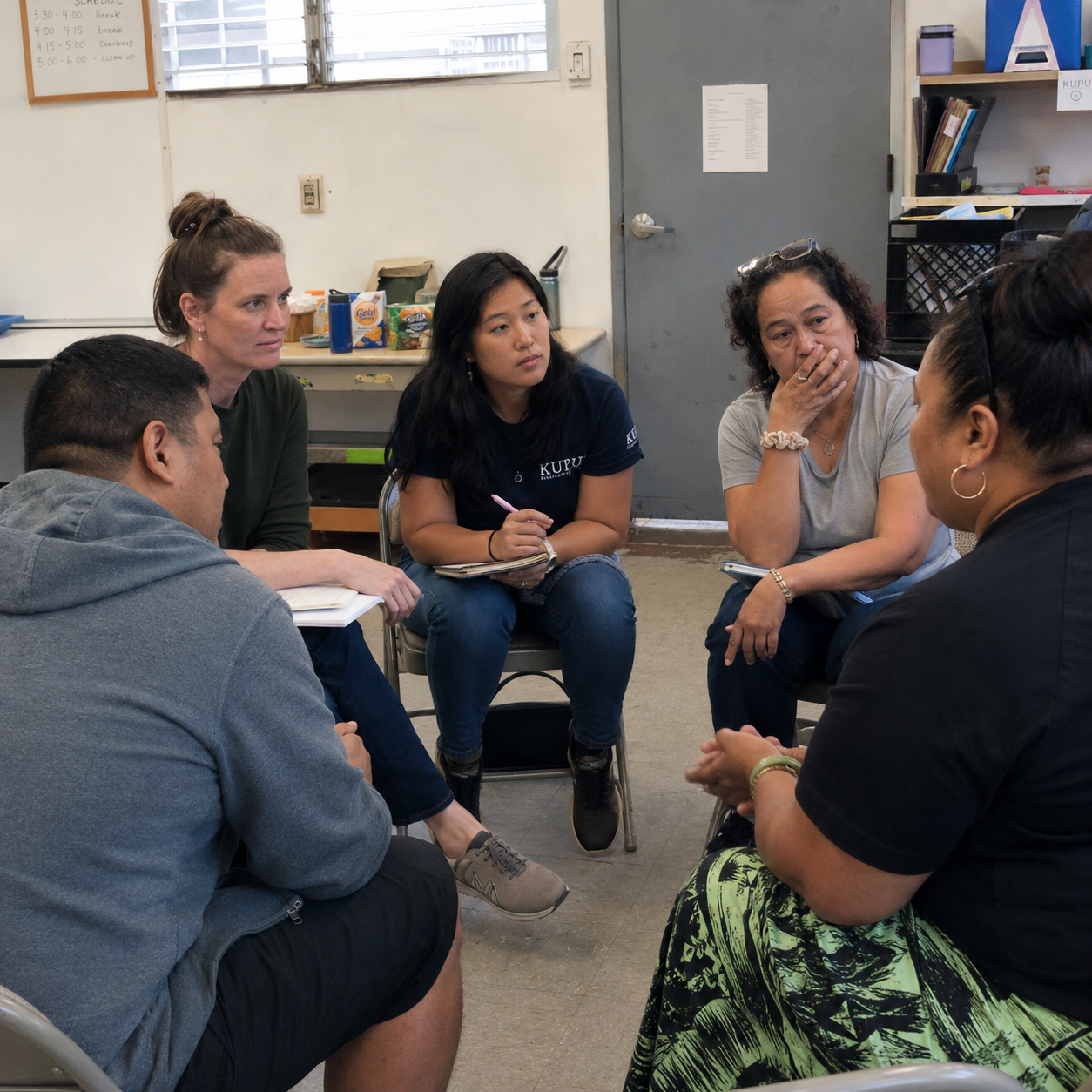
A more effective data system begins with one simple question:
What do we need to understand?
If an organization wants to know whether participants feel a stronger sense of belonging, attendance alone will not provide the answer.
If the goal is to understand whether families are accessing services more consistently, the organization may need participation data, referral tracking, and family feedback.
If the goal is to demonstrate community leadership, the organization might track leadership roles, decisions influenced by participants, and stories of community action.
Starting with the question helps nonprofits avoid collecting information that is never used.
It also makes data collection more manageable for staff and more respectful of participants’ time.
Make Data Collection Part of the Work
Another common challenge is that evaluation gets added on at the end of a program.
Staff deliver services first, then scramble to find numbers and stories when a report is due.
The second video of the Indigenous Evaluation & Data Sovereignty series introduces simple ways to integrate data collection into daily operations.
That might include:
Adding one meaningful reflection question to an existing activity
Using a consistent attendance and participation system
Creating brief staff observation notes
Collecting stories at intentional points during a program
Aligning one data point with several funder requirements
Reviewing information regularly instead of waiting until reporting season
Small, consistent practices are often more useful than complicated systems that no one has time to maintain.
Data Should Serve the Community, Too
A strong data system should not exist only for funders.
The information an organization collects should also help staff and community members understand what is working, what needs to change, and where new opportunities are emerging.
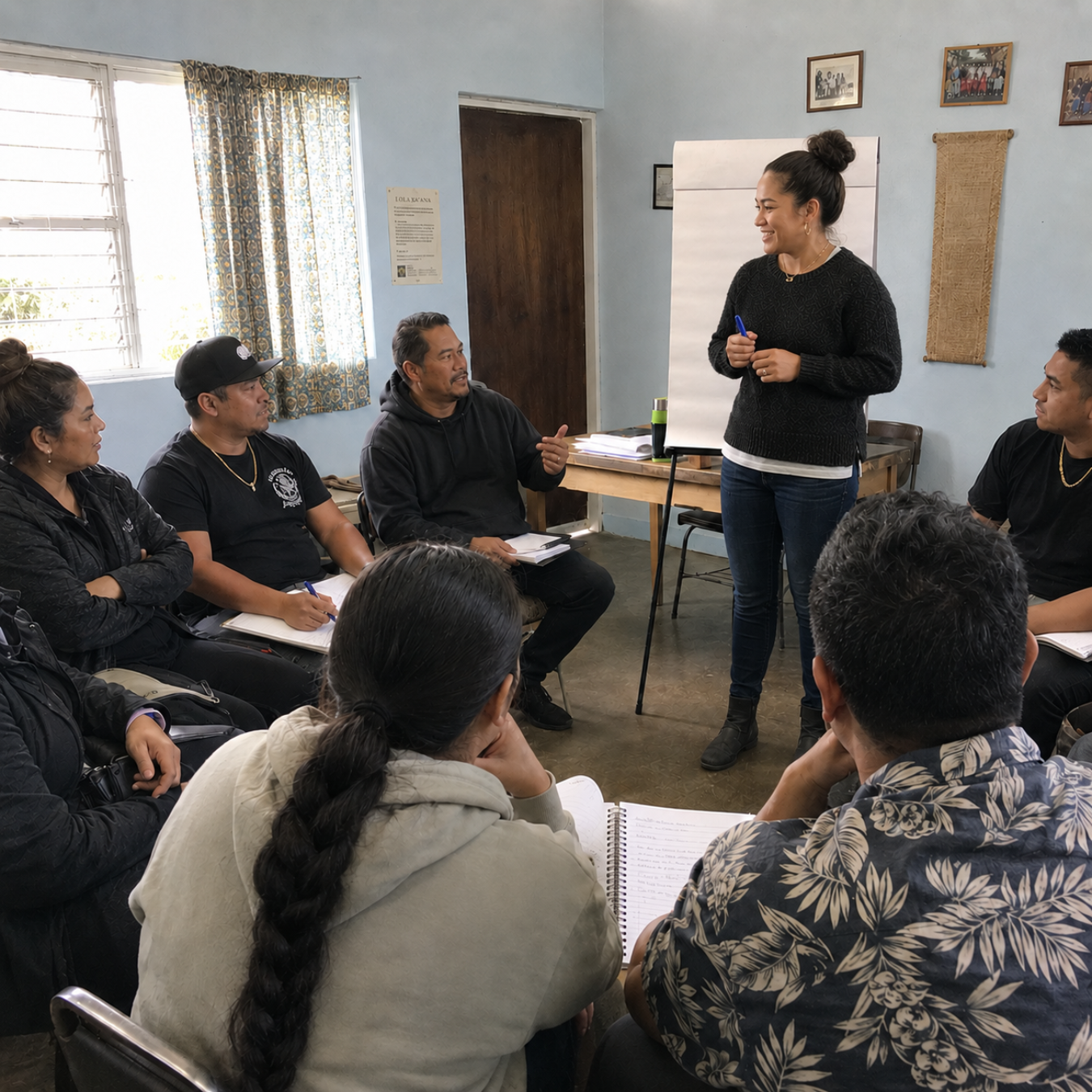
That may mean sharing findings back with participants, discussing results with community advisors, or using feedback to improve program design.
When data returns value to the people who helped create it, evaluation becomes more reciprocal and more accountable.
A Better Way to Tell the Story
Nonprofits do not need to collect everything.
They need to collect information that is meaningful, useful, and aligned with community priorities.
Indigenous Data helps leaders move from scattered data collection toward a more intentional approach—one that combines numbers and stories, reduces unnecessary burden, and respects community authority over information.
Because the goal is not simply to have more data.
The goal is to have the right data, gathered in the right way, for the right reasons.
Ready to Strengthen Your Data Practices?
Join the Indigenous Evaluation & Data Sovereignty Series with Dr. Sofia Locklear to learn how to build evaluation and data practices that are community-centered, practical, and funder-ready.
The series includes two prerecorded videos and two live, interactive workshops focused on Indigenous evaluation, data sovereignty, meaningful measurement, and streamlined reporting.
DISCOVER MORE