
A Fraction of Five
PAST PODS

Why Generosity Needs to Move
There is a hard truth in American philanthropy that we do not talk about enough:
There is no shortage of generosity. There is a shortage of movement.
Across the country, billions of dollars sit inside private foundations created for charitable purpose. These foundations receive tax advantages because their resources are meant to serve the public good. And yet, by law, most private foundations are only required to distribute about 5% of their assets each year for charitable purposes. That 5% can include grants, program-related investments, and certain administrative expenses.
For communities doing urgent work on the ground, that reality can feel painfully small.
Nonprofits are feeding families, protecting culture, training youth, restoring land, supporting kūpuna, and responding to crisis after crisis — often with limited staff, short-term grants, and constant pressure to prove their worth. Meanwhile, large pools of charitable wealth can remain invested for the future while today’s needs continue to grow.
This is not about blaming every foundation. Many foundations are generous, thoughtful, and deeply committed to community. Some exceed the minimum. Some fund boldly. Some move quickly when their partners need them most.
But the system itself deserves a serious question:
When the minimum becomes the norm, who pays the price?
The Myth of “Enough”
The 5% payout rule was created to make sure private foundations actually move charitable dollars into public benefit, rather than simply holding and investing assets indefinitely.
That purpose still matters.
But today, the minimum can too easily become the mindset.
A foundation can meet its legal requirement and still leave community organizations underfunded. A foundation can check the compliance box and still move resources too slowly for the people closest to the need. A foundation can preserve its endowment for generations while the nonprofit down the street wonders whether it can make payroll next month.
That is the harsh reality.
Not because philanthropy is bad.
Not because wealth is automatically wrong.
But because resources meant for public good do not create impact until they flow into the community.
Sometimes, private foundations can treat the 5% rule as a ceiling instead of a floor, while community-rooted organizations are left competing for a much smaller share of the resources intended to serve them.
That should concern all of us, no matter where we fall politically.
What Actually Reaches the Ground?
There is another reality we need to name plainly: not every dollar counted toward the 5% requirement becomes a grant to a working nonprofit.
Under current rules, qualifying distributions may include reasonable administrative expenses connected to a foundation’s charitable work. That can include real and necessary costs. Good grantmaking does require people, systems, compliance, diligence, and planning.
But when communities hear “5% payout,” many assume that means 5% is going directly to nonprofits doing the work.
That is not always the case.
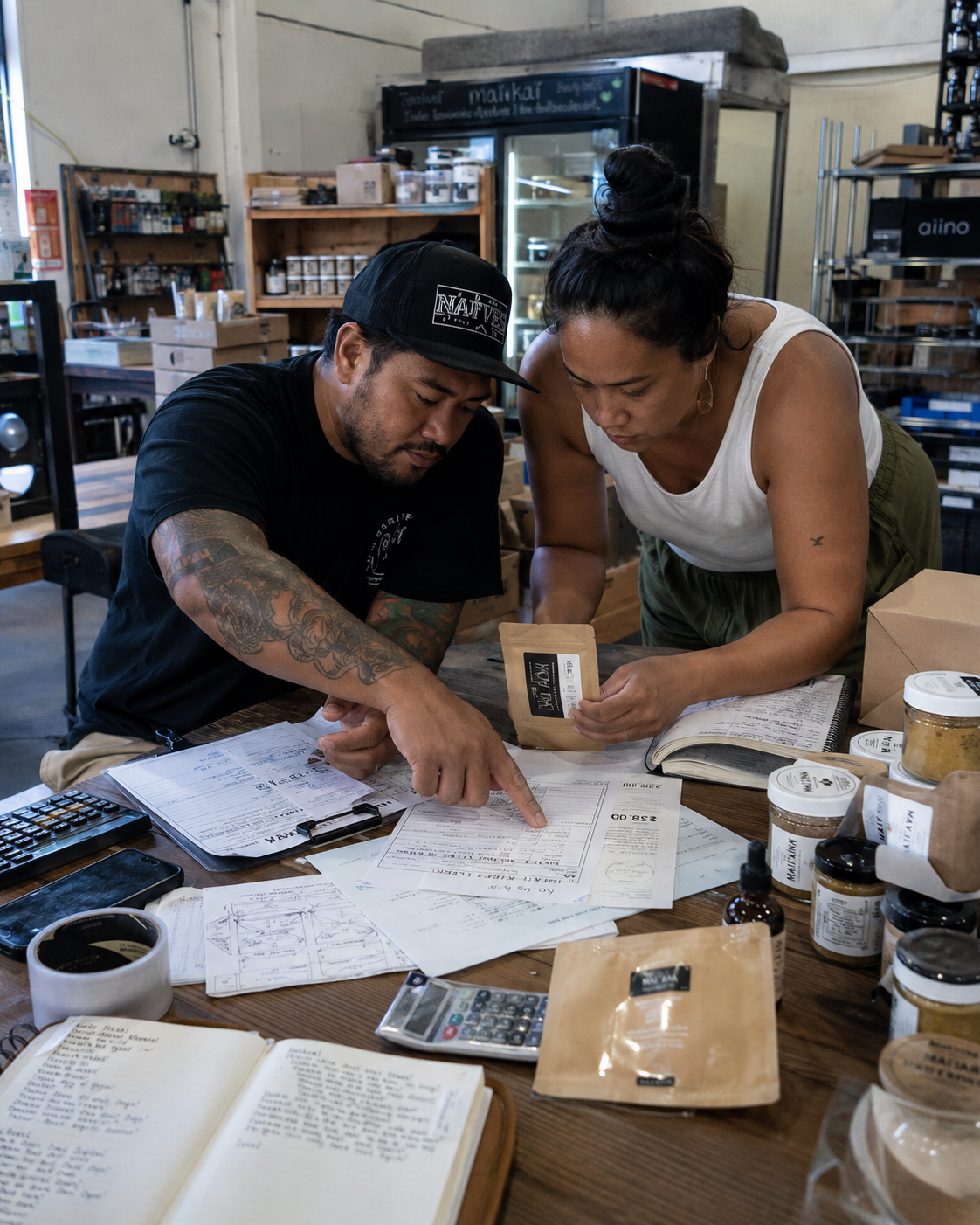
And for grassroots organizations, especially Native Hawaiian, Indigenous-led, rural, and community-based nonprofits, the difference matters. A few thousand dollars can fund a training. A flexible grant can keep a program alive. A timely investment can help a leader stop operating in survival mode. A trusted partnership can change the trajectory of an organization.
So the question is not only, “Did the money technically move?”
The better question is:
Did it reach the people and places it was meant to serve?
The Call Is Not Complaint. It Is Correction.
We do not need a philanthropy culture built on guilt.
We need one built on responsibility.
We do not need donors, foundations, or businesses to give from pressure alone. We need them to move from relationship, accountability, and shared purpose.
This is where Changemakers is calling our community into something deeper: Philanthropono.
Philanthropono is philanthropy rooted in pono — balance, right relationship, responsibility, and care. It asks us to look honestly at where resources are held, where needs are growing, and where generosity can create the most meaningful impact.
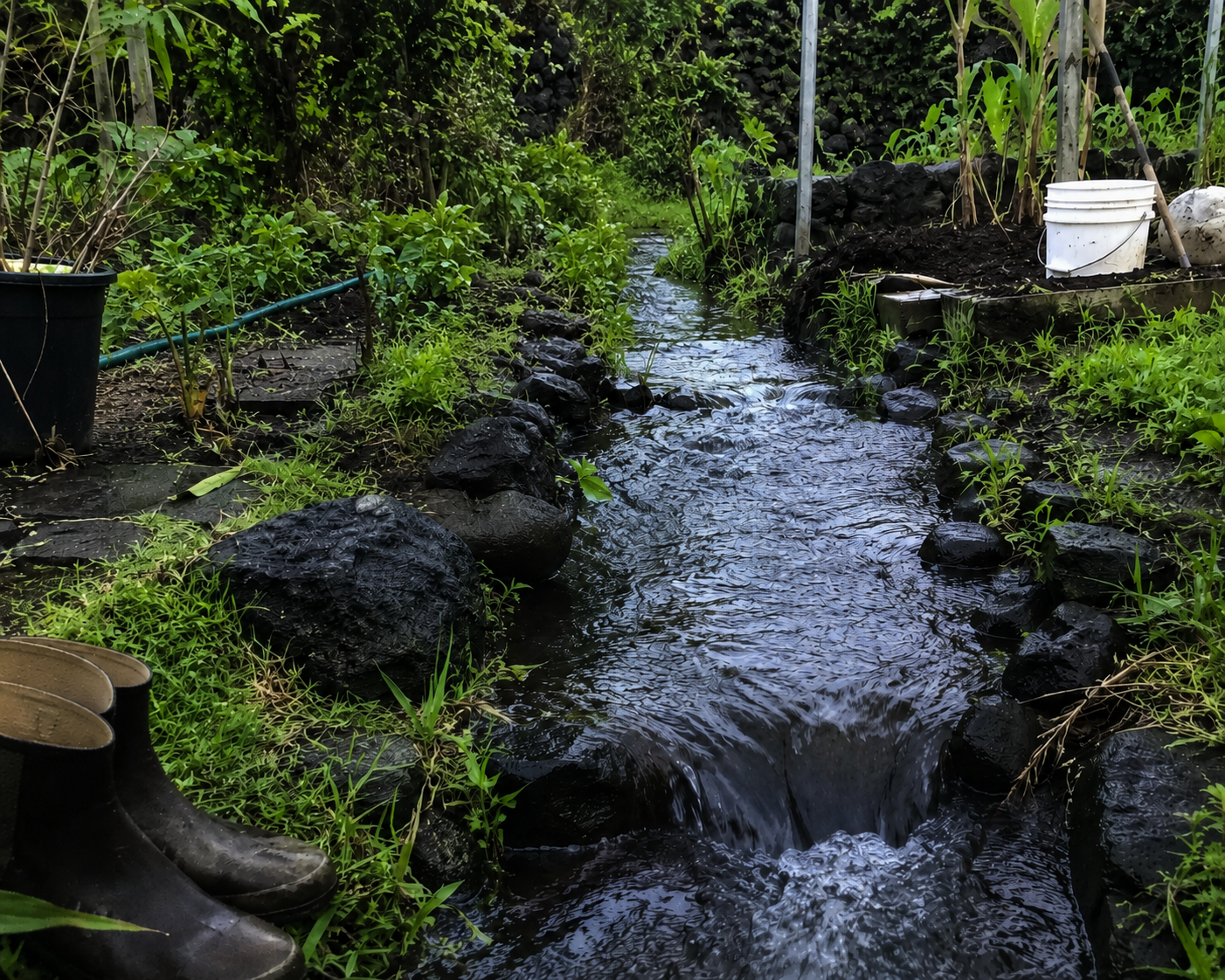
Philanthropono says wealth should not become a reservoir when communities need a river.
It says generosity is not complete when money is set aside. Generosity becomes real when resources reach people, strengthen organizations, and help communities thrive.
An ʻōlelo noʻeau reminds us: “I hele i kauhale, paʻa pūʻolo i ka lima” — “In going to the houses of others, carry a package in the hand.” This speaks to the value of arriving with something to contribute, not empty-handed.
That is the spirit of Philanthropono.
When we enter community, we bring support.
When we benefit from community, we return care.
When we have access to resources, we help them flow.
From Holding Wealth to Moving Impact
The debate about private foundation payout rates is not new. Some advocates have called for higher payout requirements, including 7% or 10%, while others argue that foundations need to preserve assets for long-term stability and future giving.
Both long-term stewardship and immediate impact matter.
But here is what we know from the ground: communities cannot be sustained by promises of future generosity alone.
A youth program needs support now.
A cultural practitioner needs resources now.
A nonprofit leader needs training now.
A small local business needs a bridge now.
A family in crisis needs help now.
The future matters. But so does the present.
At Changemakers, we believe the answer is not simply to criticize the system. It is to model a better one.
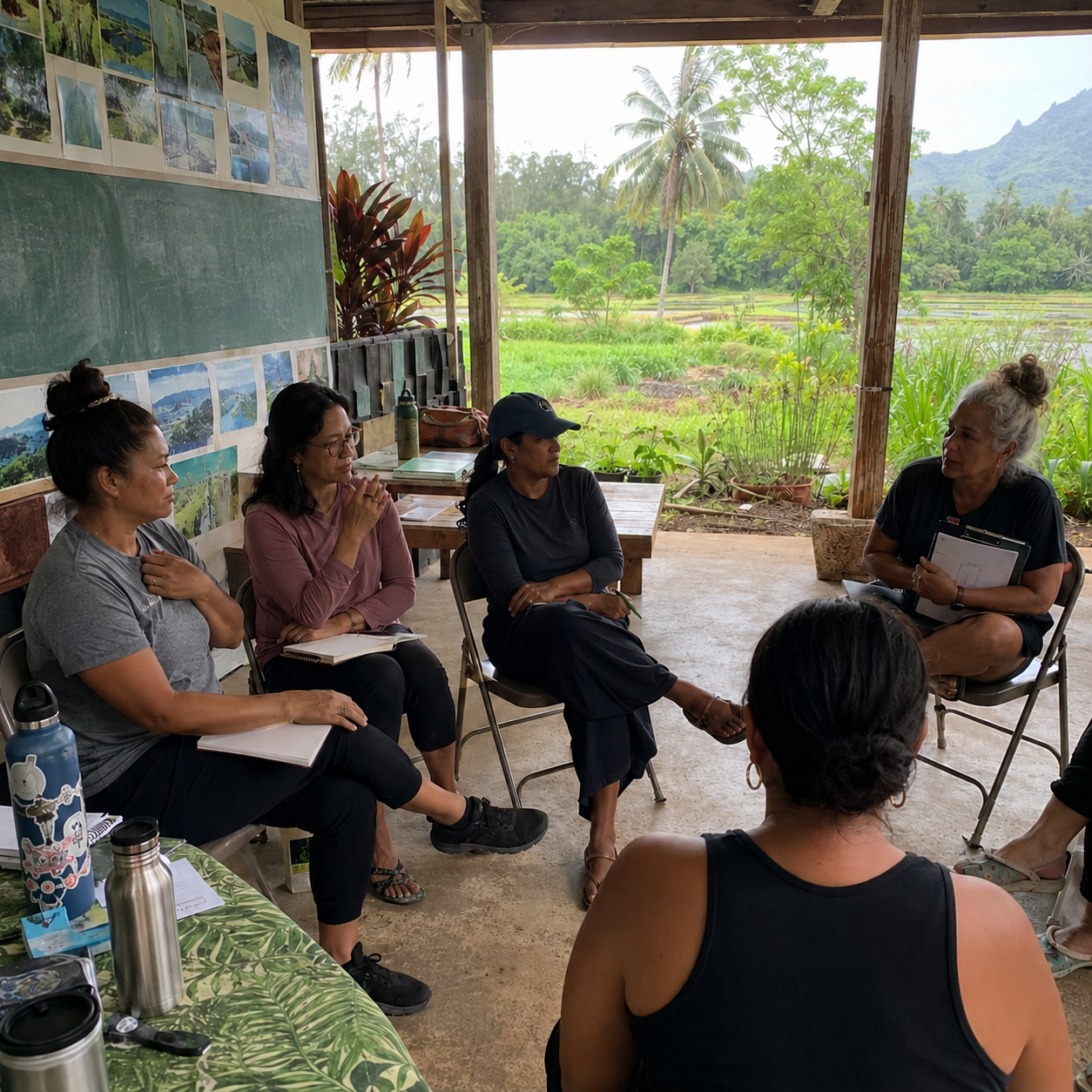
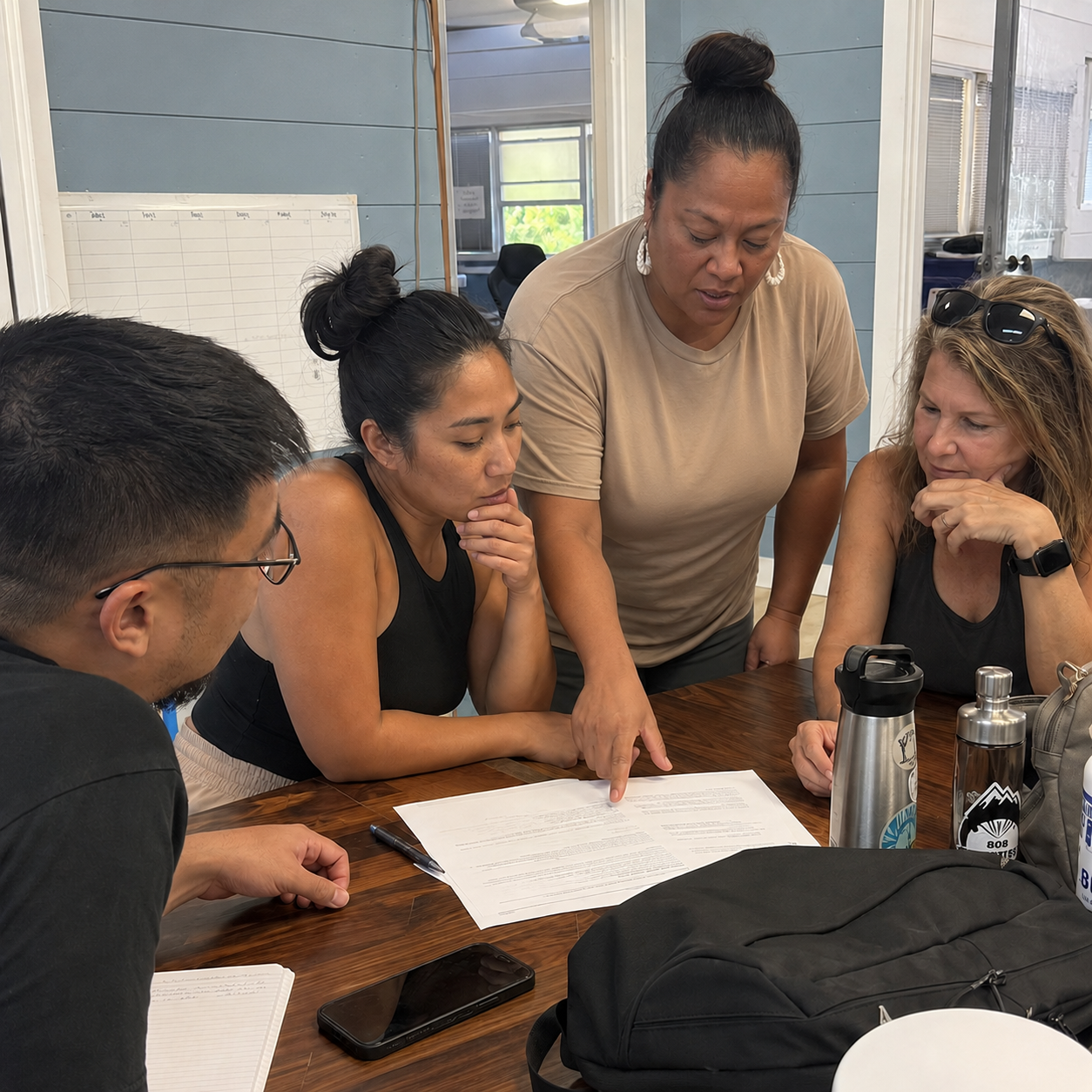
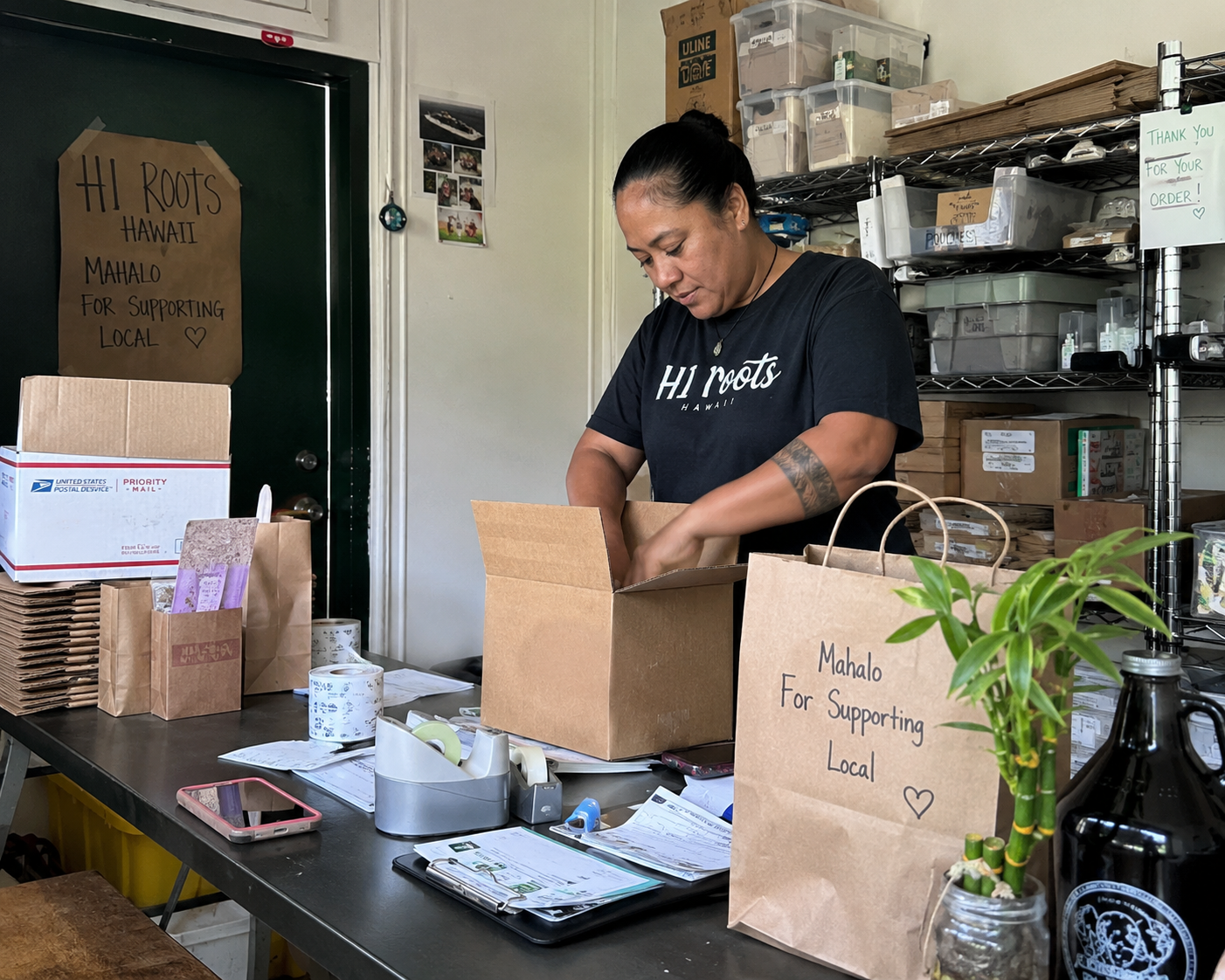
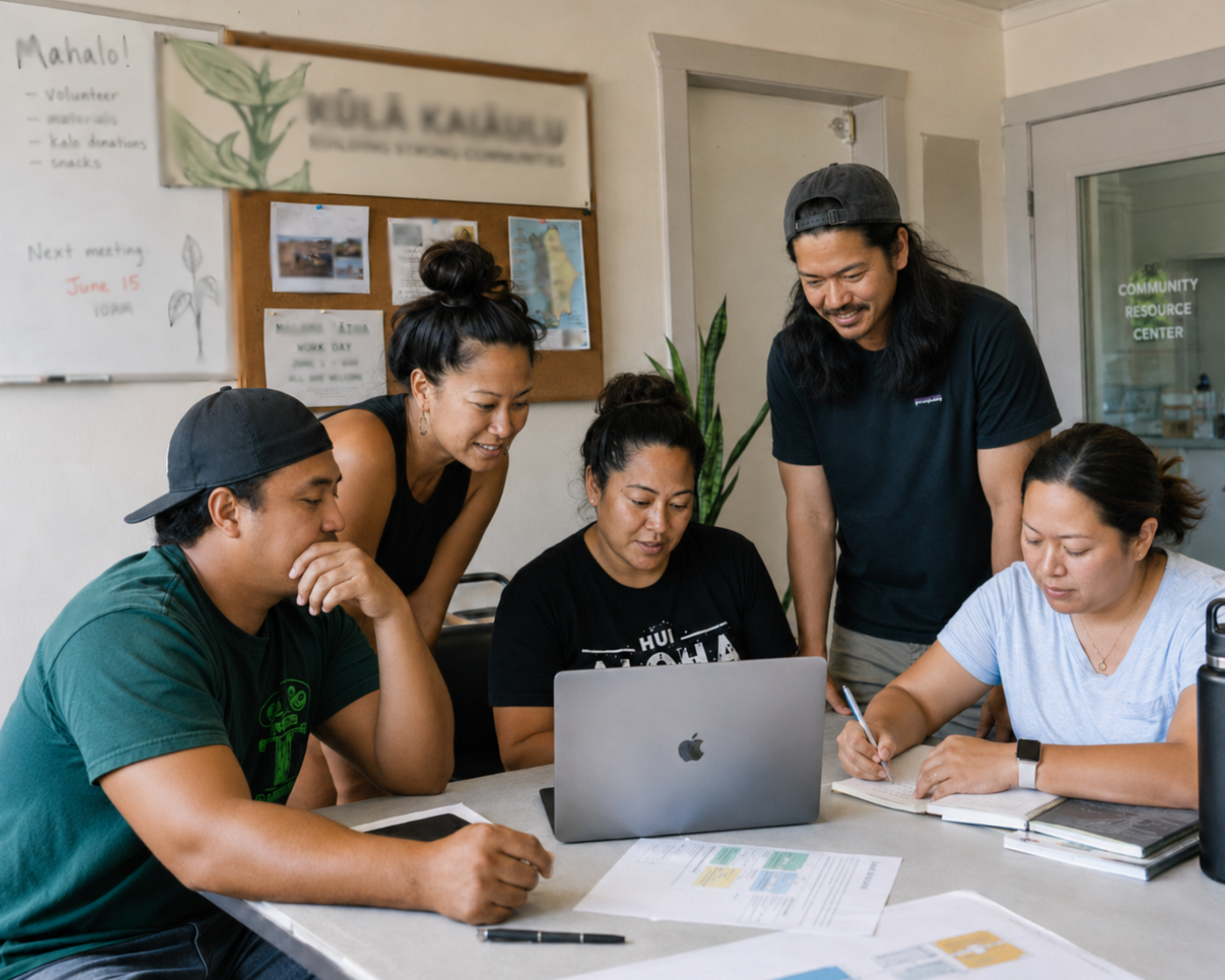
For Changemakers, Philanthropono is more than a belief; it is a practice. To date, we have helped raise and move more than $800,000 into local small businesses and nonprofits serving Native communities. We have also trained and equipped more than 25 nonprofit leaders in grant writing and fund development, strengthening the people and organizations working closest to community need.
That is what it looks like when generosity moves.
What Needs to Change
We need a culture of philanthropy that treats 5% as the starting point, not the finish line.
We need more foundations and donors to ask:
⤷ How much of our charitable wealth is reaching working nonprofits?
⤷ How quickly are we moving resources when communities face urgent needs?
⤷ Are our grant processes helping or exhausting the organizations we say we support?
⤷ Are we funding leadership, operations, and capacity — or only short-term projects?
⤷ Are we practicing trust, transparency, and right relationship?
This is the shift.
From compliance to commitment.
From charity to partnership.
From delayed generosity to active responsibility.
From reservoirs to rivers.
The Invitation
At Changemakers, we are not waiting for the whole system to change before we practice a better way.
We are choosing to move resources.
We are choosing to train leaders.
We are choosing to strengthen nonprofits and small businesses rooted in local communities.
We are choosing Philanthropono.
And we are inviting you to choose it with us.
Not someday.
Not only when it is convenient.
Now.
DISCOVER MORE