
The Lonely Grind
PAST PODS


Rebuilding Hawaiʻi’s Entrepreneur Ecosystem, Together
What if the hardest part of building a business in Hawaiʻi isn’t the work itself—but having to carry it alone?
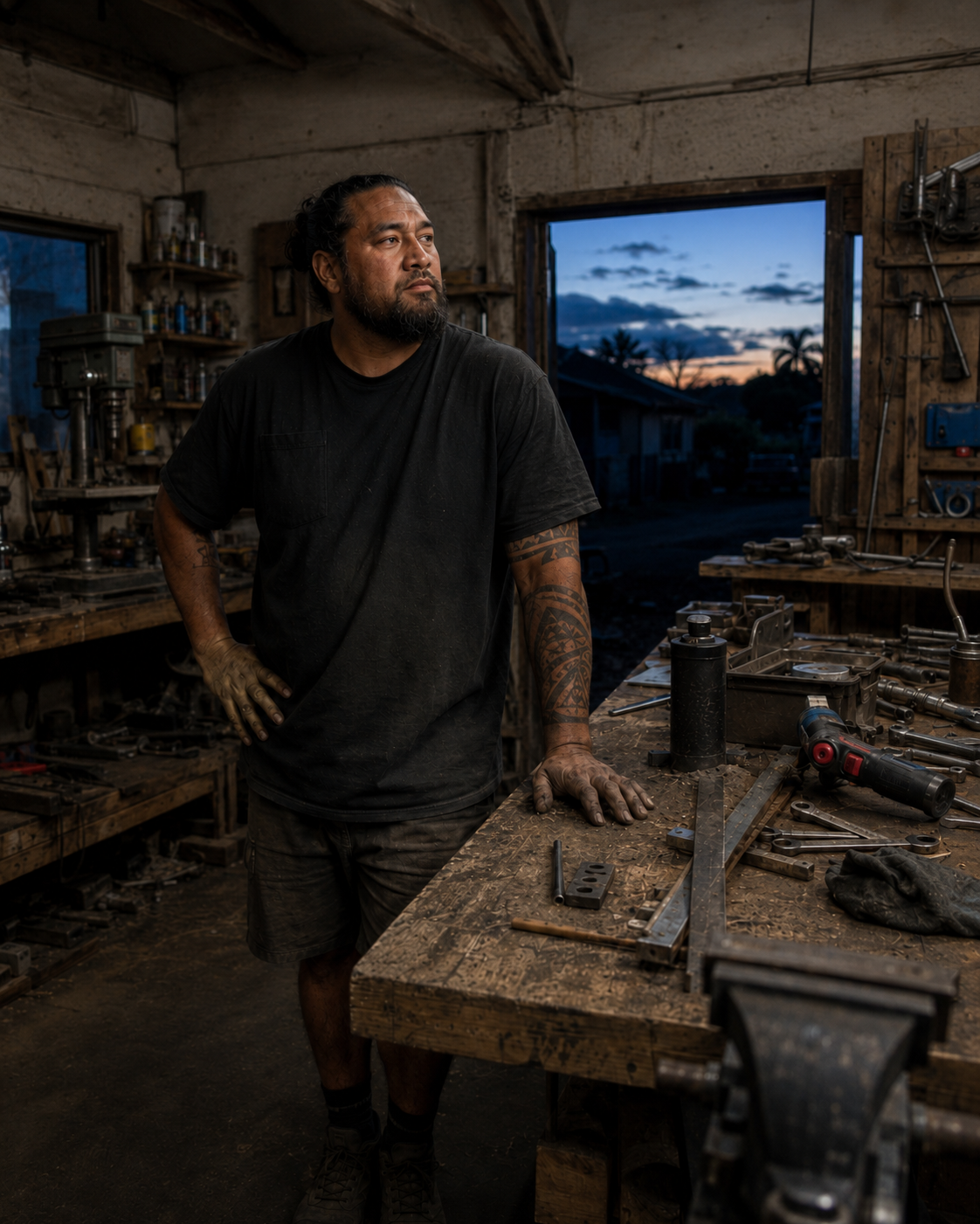
The air in the workshop is thick with sawdust and the metallic scent of a cooling welding iron. Outside, the sun slips behind the mauna, stretching long shadows across the gravel driveway.
You have been here for twelve hours.
Your hands carry the honest grime of your craft. Your back aches. In front of you sits the finished piece—a labor of love shaped by skill, sacrifice, and a deep sense of place. For a moment, pride burns bright.
Then the shop grows quiet.
You check your phone. No message from a mentor who understands why you chose that particular material or why its connection to place matters. No email from a funder who recognizes that your business is not simply a revenue stream, but a way to strengthen families, care for community, and create a more resilient future for Hawaiʻi.
There is only the hum of the refrigerator, the weight of the next set of bills, and the question so many entrepreneurs quietly carry:
How long can I keep doing this alone?
Across our islands, makers, creatives, farmers, food producers, cultural practitioners, and small business owners are doing far more than building companies. They are creating livelihoods, preserving knowledge, solving community problems, and keeping more of Hawaiʻi’s talent and resources rooted here.
But the systems designed to support entrepreneurs were not built with all of them in mind—and they were rarely built around the values, relationships, and responsibilities that shape life in Hawaiʻi.
That is why we are building something different.
The Weight of the Lonely Grind
“If I fail, it isn’t only my bank account that suffers. It affects everyone who believed this was possible.”
Entrepreneurship is often portrayed as a solo climb: one determined person pushing uphill through grit, sacrifice, and sheer force of will.
In Hawaiʻi, that climb can feel especially steep.
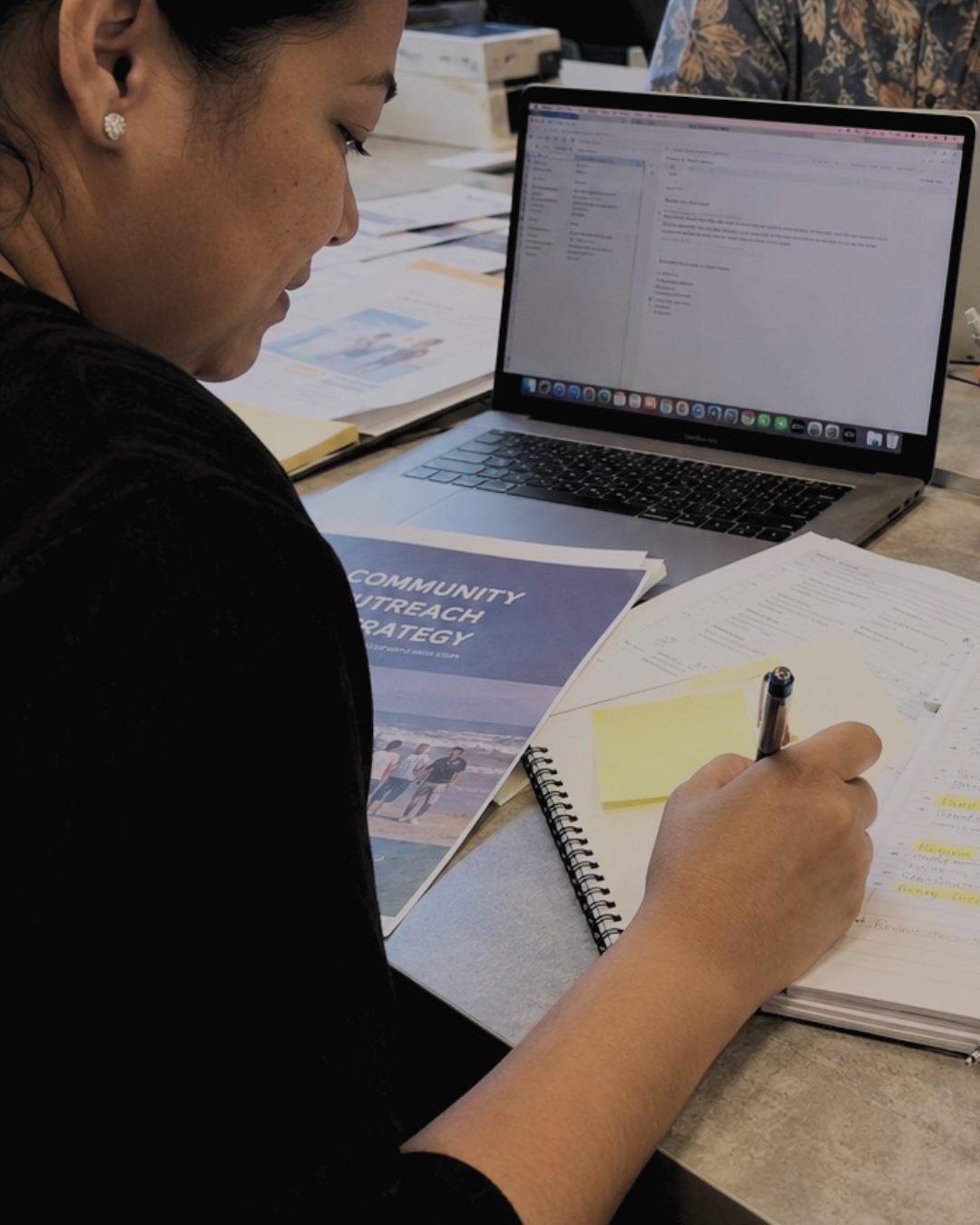
The cost of rent, utilities, shipping, supplies, and labor places constant pressure on small businesses. Entrepreneurs must navigate permitting, financing, marketing, hiring, and operations—often while still producing the work, serving customers, and caring for their families.
Without the right relationships, every challenge becomes heavier.
One business owner may spend months solving a problem that another entrepreneur in the next town has already overcome. A first-time founder may struggle through an unfamiliar permitting process without knowing who to call. A maker may be surrounded by people who admire the product but cannot offer the practical guidance needed to build a sustainable business around it.
This is the Lonely Grind: the exhausting belief that we must figure everything out by ourselves.
Isolation is not merely an emotional burden. It is a strategic disadvantage. It drains time, limits access to knowledge, and leaves talented people more vulnerable to burnout.
A strong ecosystem changes that.
It creates trusted relationships between people who can share lessons, open doors, exchange resources, and remind one another that asking for support is not a weakness. It is how resilient communities have always worked.
The ʻĀinapreneur Network was created to strengthen that connective tissue—so entrepreneurs do not have to face every obstacle alone.
Closing the Cultural Gap
“They kept asking for my five-year exit strategy. But how do you plan an exit from something you are building for the next generation?”
Much of today’s business language centers on speed, disruption, competition, extraction, and exit.
But many entrepreneurs in Hawaiʻi are guided by a different set of questions:
Will this business help my family remain here?
Will it strengthen my community?
Will it care for the places and resources that sustain us?
Will it leave something meaningful for the next generation?
These are not secondary considerations. They are part of the business model.
Yet entrepreneurs who speak about stewardship, reciprocity, cultural continuity, or collective well-being are sometimes told that their ideas are too idealistic, too difficult to measure, or not scalable enough.
That is the Cultural Gap.
It appears when conventional systems recognize financial capital but overlook cultural knowledge, community trust, lived experience, and responsibility to place. It appears when entrepreneurs are expected to translate their deepest values into language that was never designed to hold them.
But a business does not have to abandon its values to become sustainable.
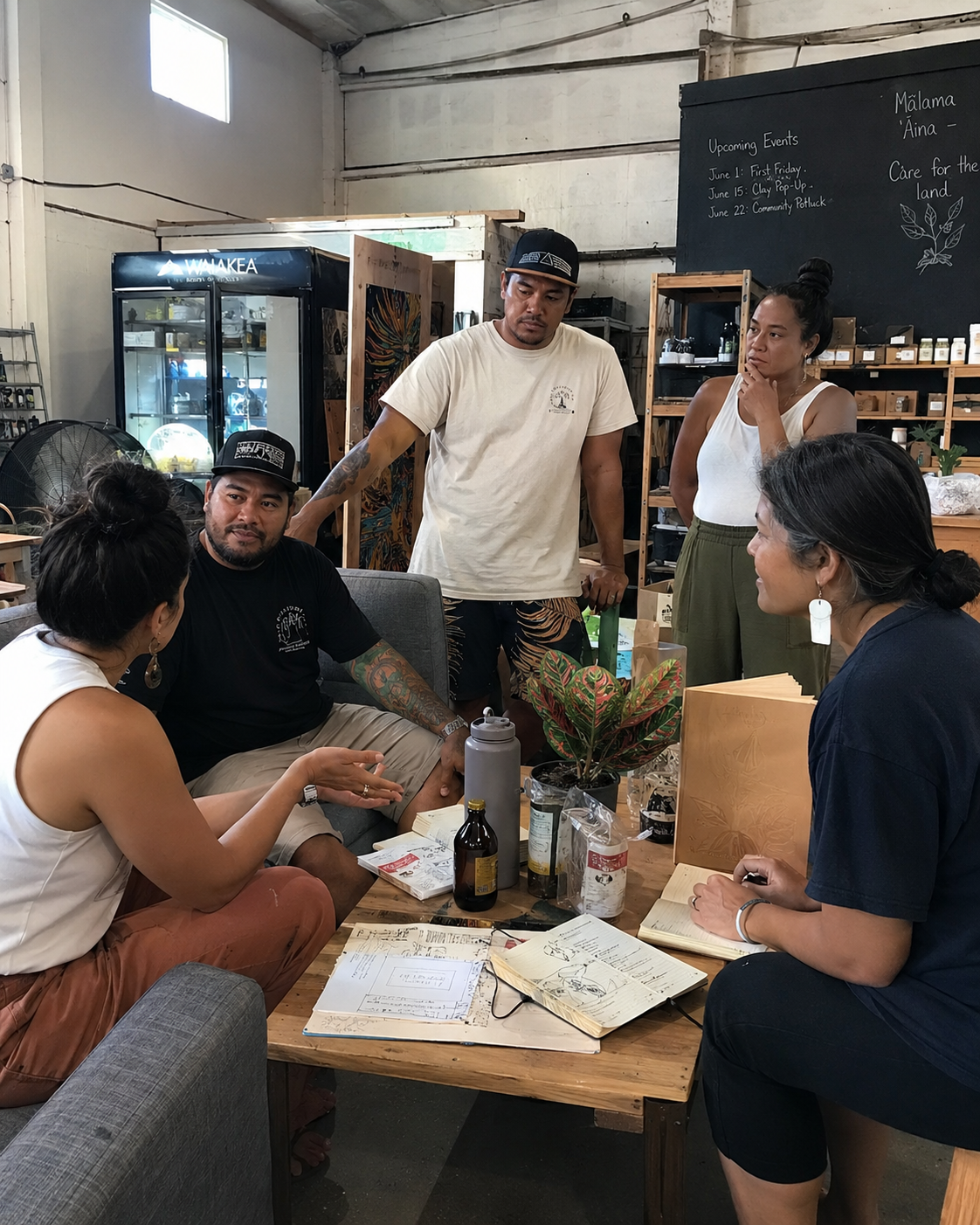
In fact, values can be a business’s greatest source of strength. They shape better decisions, deepen customer relationships, build trust, and create a reason for people to remain committed when the work becomes difficult.
The ʻĀinapreneur Network is helping create an environment where entrepreneurs can speak honestly about what success means to them—without having to separate business growth from community well-being.
This approach reflects a much older understanding: identity, responsibility, and well-being are inseparable from relationship and place. Native Hawaiian cultural knowledge has long emphasized the interconnectedness of people, ʻāina, community, and future generations.
Breaking the Access Barrier
“I stood in front of the bank manager with my heart pounding, only to realize that my story did not fit into any of the boxes on the form.”
Talent is everywhere. Access is not.
For many grassroots entrepreneurs, the barriers to growth are not caused by a lack of ambition or ability. They are created by systems that are difficult to enter, confusing to navigate, and disconnected from the realities of small businesses in Hawaiʻi.
The barriers may include limited access to capital, a lack of trusted mentors, unfamiliar financial language, complicated application processes, limited workforce pipelines, or simply not knowing which resource exists—or who it was designed to serve.
Relationships matter here.
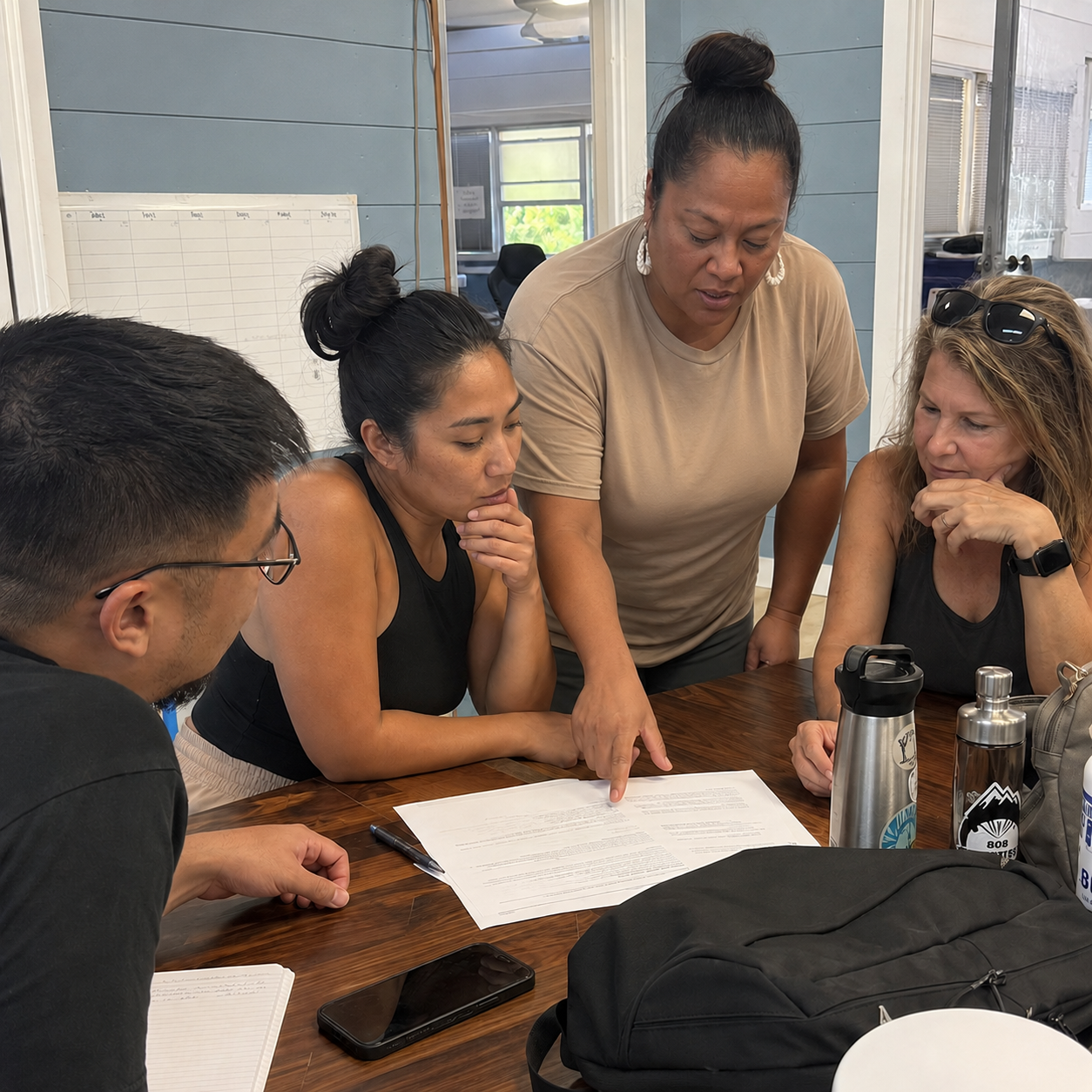
Entrepreneurs need more than a directory of services. They need people who can help them understand their options, prepare for opportunities, make informed decisions, and avoid costly mistakes.
They need mentors who have not only generated revenue, but also built businesses with integrity.
They need peers who understand that growth can mean hiring one more employee, securing a permanent workspace, expanding production without compromising quality, or creating a business that can be passed to the next generation.
Through the ʻĀinapreneur Network, ChangeMakers Hawaiʻi is helping connect entrepreneurs with the relationships, knowledge, and resources they need to move forward.
We are not asking entrepreneurs to squeeze themselves into systems that were not made for them.
Together, we are creating a more accessible path.
From “Built For” to “Built With”
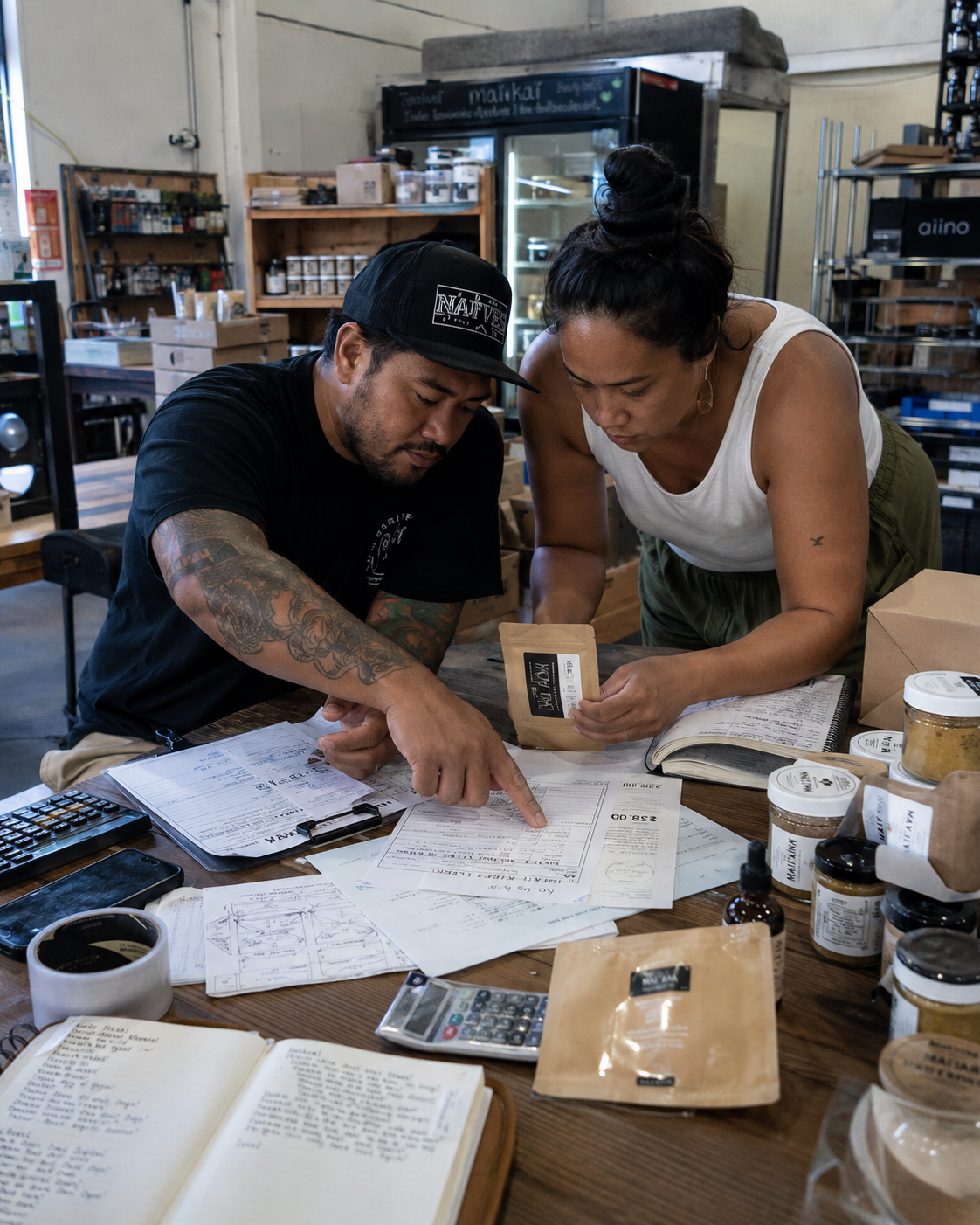
“We do not need another program designed far away from the people it is supposed to serve. We need the tools and relationships to build the future we already see.”
Too many programs begin with a predetermined solution.
A curriculum is created. A timeline is established. Success is defined. Then entrepreneurs are invited into a structure they had little role in shaping.
That is the Built For model.
Even when well-intentioned, it can miss the rhythms, responsibilities, and realities of the communities it hopes to support.
The future requires a Built With approach.
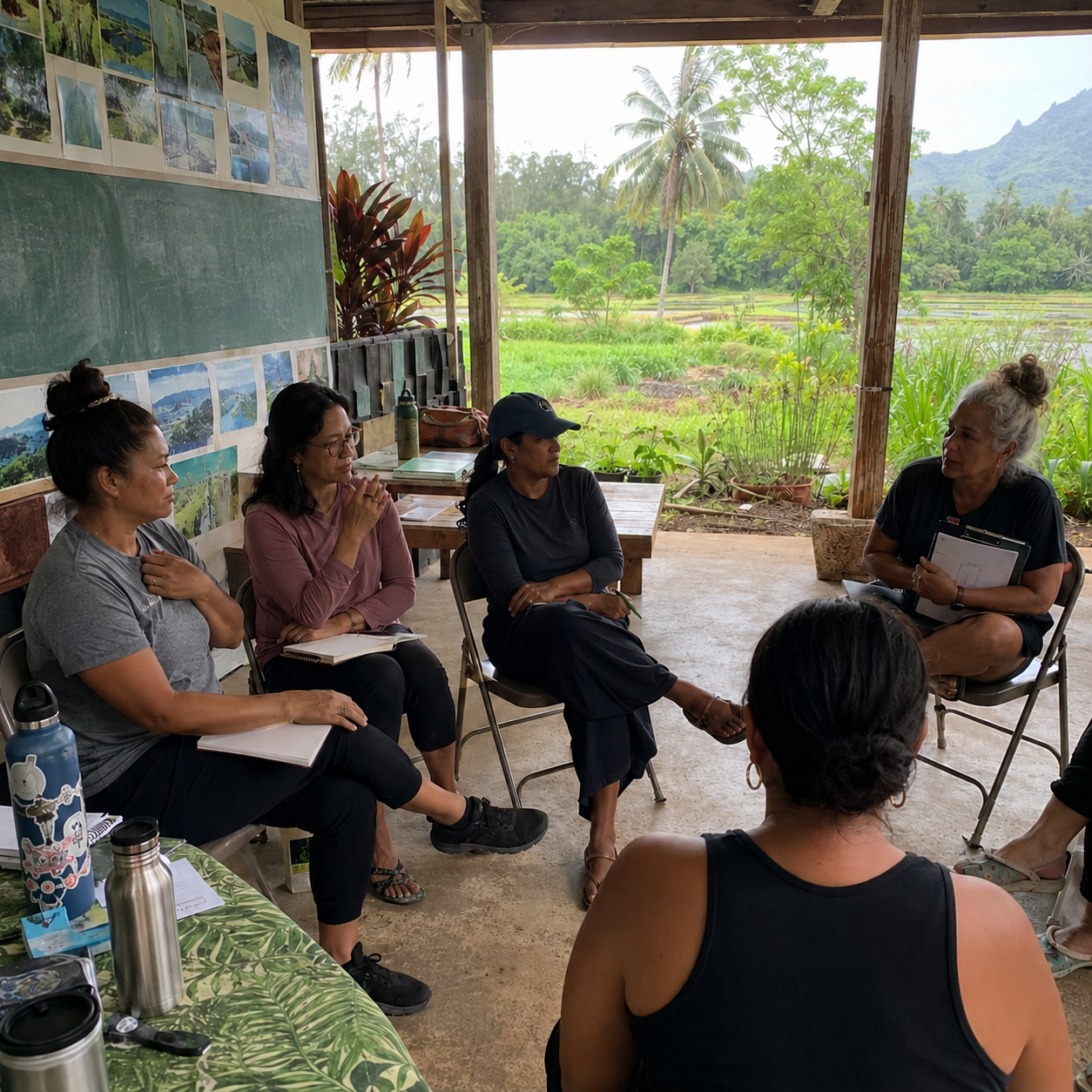
The ʻĀinapreneur Network is not simply delivering another business program. We are building a community alongside the entrepreneurs who will shape it.
That means listening before prescribing.
It means valuing lived experience alongside professional expertise.
It means allowing members to help identify the challenges that matter most, the resources that are truly useful, and the kinds of growth that are both economically viable and aligned with their values.
A network built with its members becomes more than a place to receive information. It becomes a place to exchange knowledge, develop partnerships, find collaborators, test ideas, and contribute to something larger than any single business.
The people closest to the challenges often hold the clearest vision for the solutions.
Our role is to help bring those people together.
We Were Never Meant to Build Alone
The lonely grind has cost our communities too much.
Too many promising ideas have disappeared because the person carrying them became exhausted. Too many entrepreneurs have spent years searching for resources that should have been easier to reach. Too many business owners have been made to feel that their values were obstacles rather than assets.
We believe another way is possible.
A way rooted in relationship.
A way that honors place and purpose.
A way that recognizes business as a tool for creating livelihoods, strengthening communities, and helping more local families build a future in Hawaiʻi.
Rooted in Place. Built for Growth.
This is more than a tagline. It is a commitment to grow without losing sight of what—and who—we are growing for.
Become a Founding Member of the ʻĀinapreneur Network
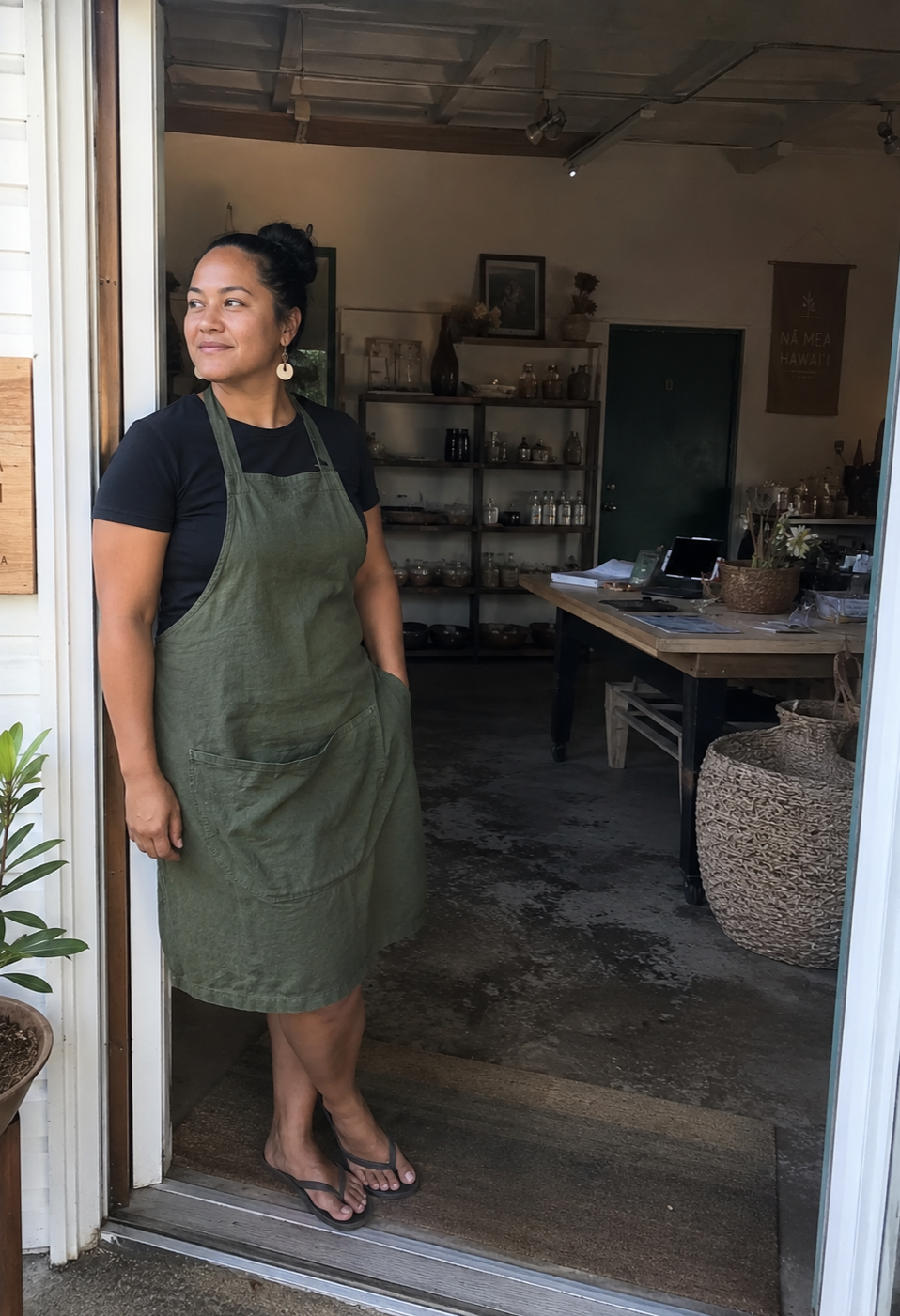
We are inviting a first circle of entrepreneurs, makers, creatives, and community-minded business leaders to become founding members of the ʻĀinapreneur Network.
Founding members will do more than join a network. You will help shape it.
Your experiences, challenges, ideas, and vision will help build a community that responds to the real needs of Hawaiʻi’s entrepreneurs. You will be among the first to form relationships, exchange knowledge, identify opportunities, and set the foundation for what this network can become.
You do not need to have everything figured out.
You do not need the perfect pitch, the biggest business, or a polished five-year plan.
You only need to believe that business can be a force for good—and that we are stronger when we build together.
The door is open. The circle is forming. Your voice belongs in it.
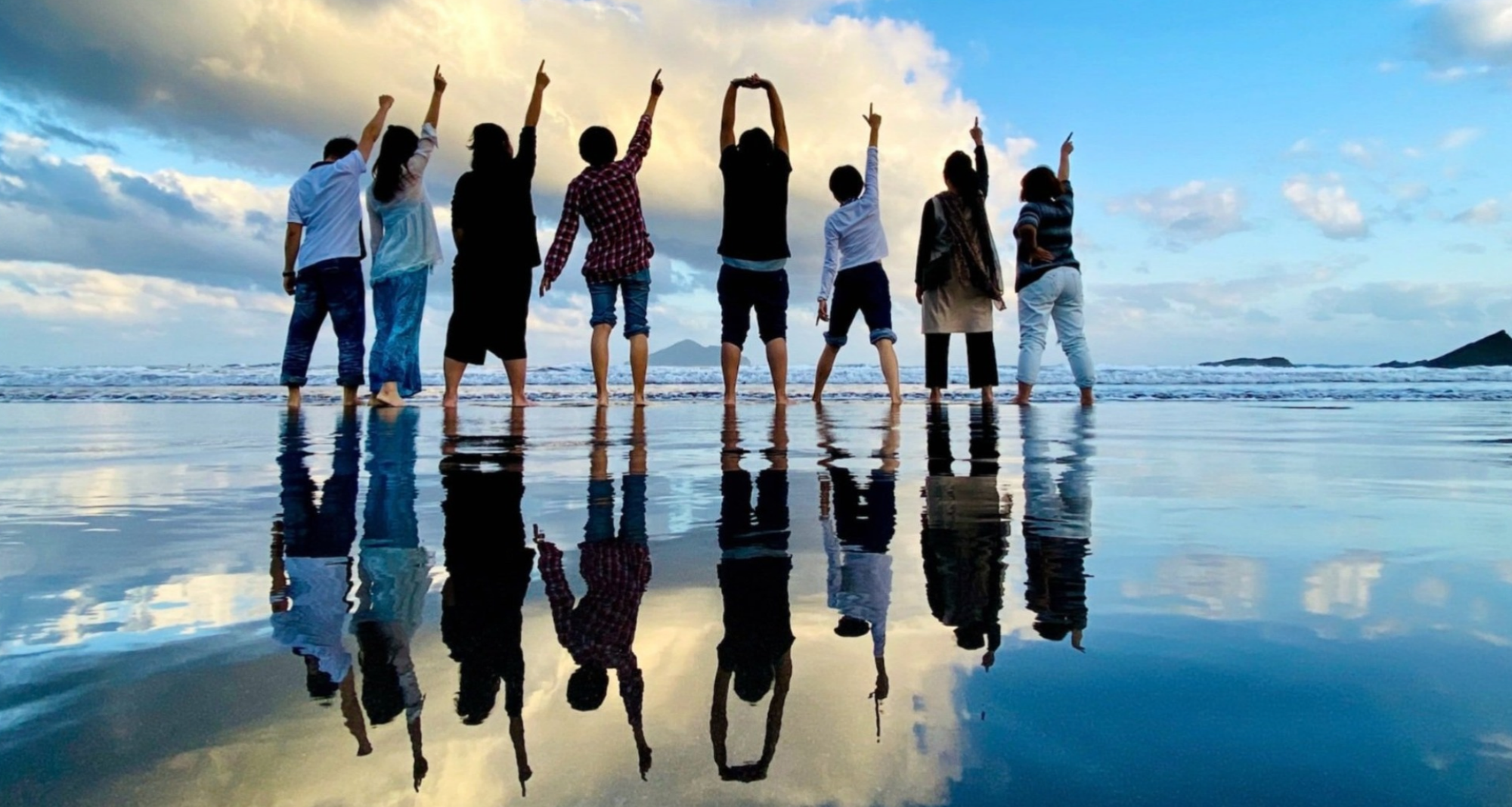
Together, we can build an entrepreneurial ecosystem that is rooted locally, shaped by our communities, and strong enough to carry our dreams forward.
DISCOVER MORE