
When Evaluation Feels Like a Checkbox
PAST PODS

Reclaiming Data as a Practice of Accountability
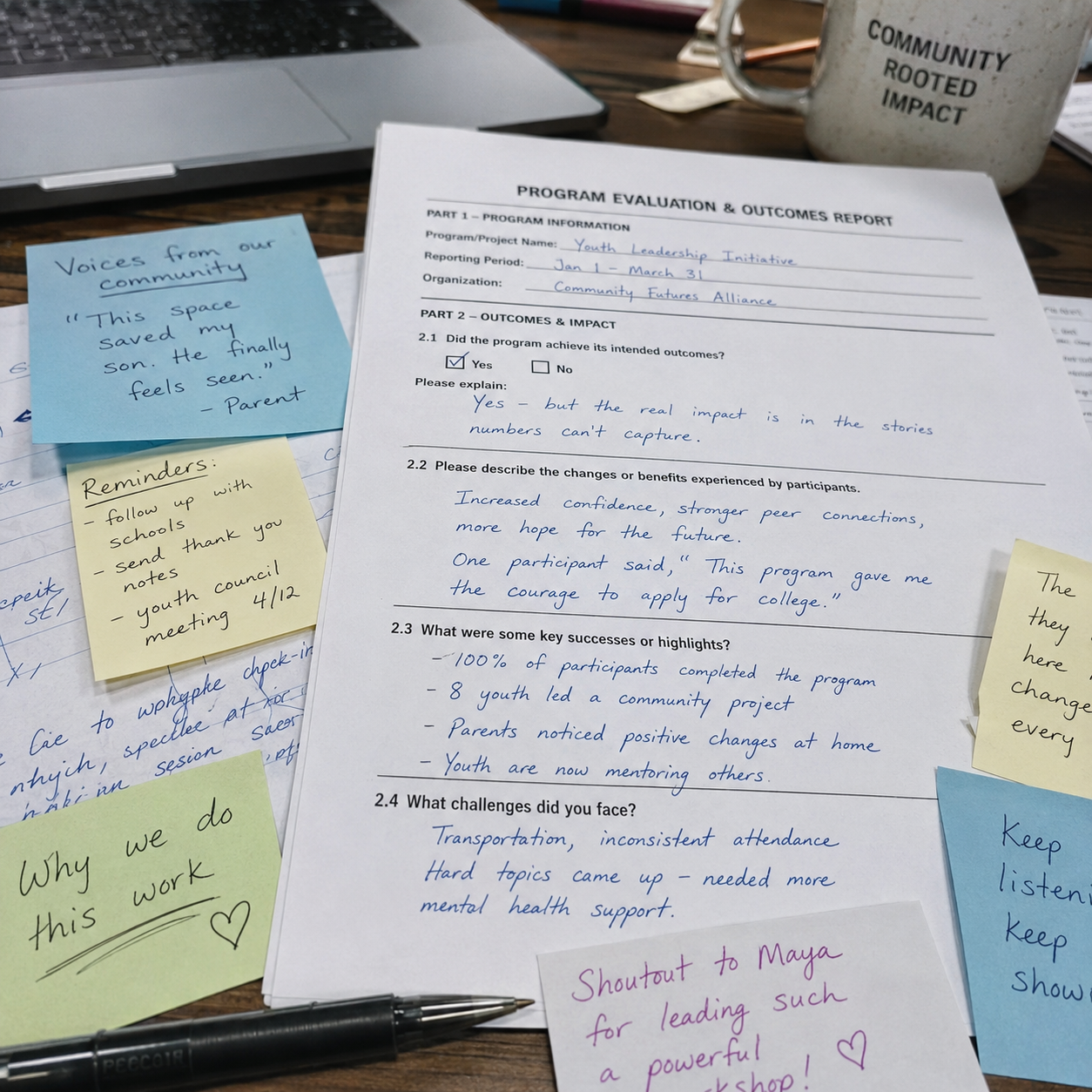
For many of our nonprofit leaders across Indian Country and the Hawaiian Islands, the word "evaluation" does not spark excitement. It sparks a specific kind of fatigue.
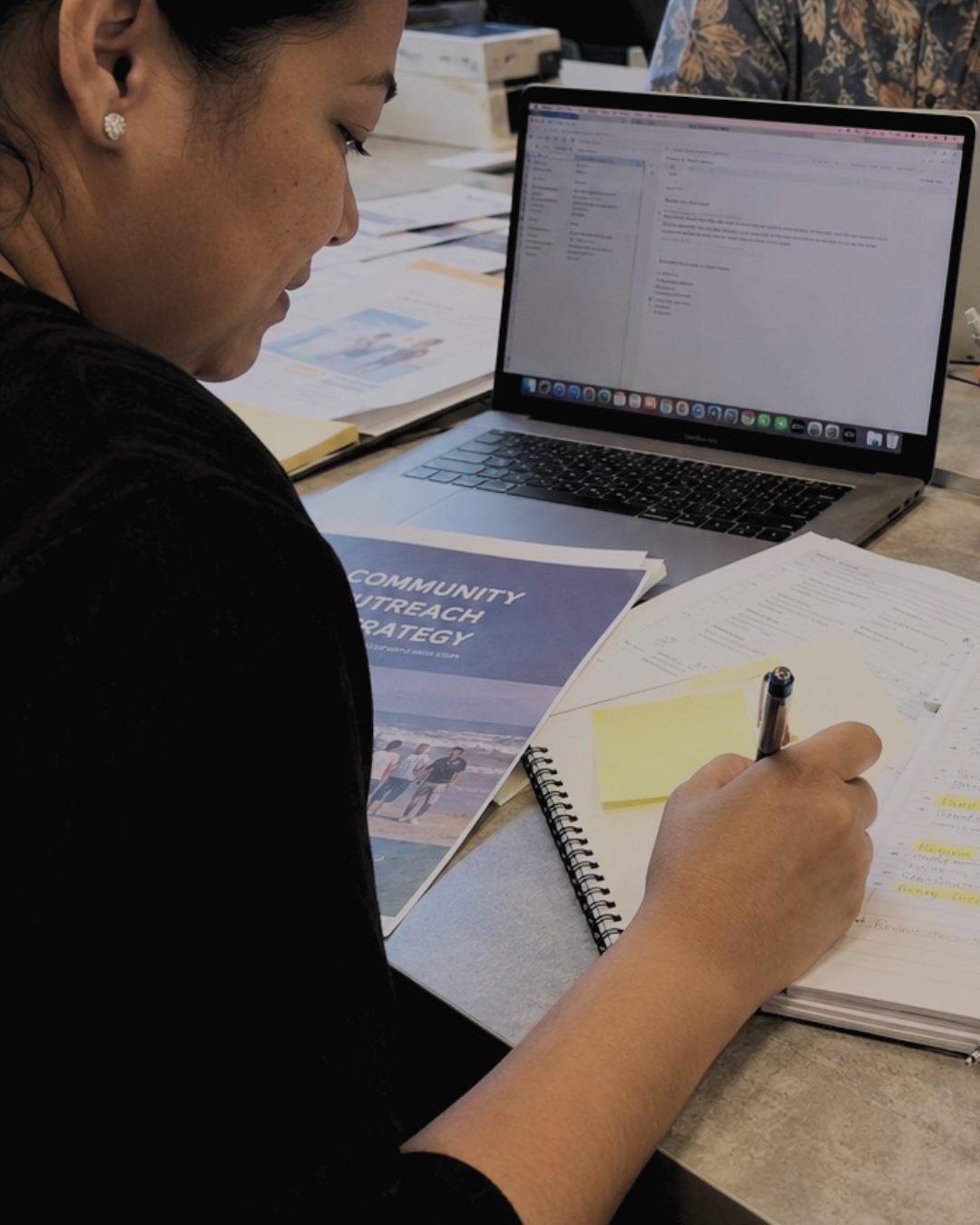
It brings to mind endless spreadsheets, rigid logic models, and the mounting pressure of grant reports that feel like they were written for a different world. We find ourselves staring at deadlines, trying to prove that a program "worked" using metrics that often feel hollow.
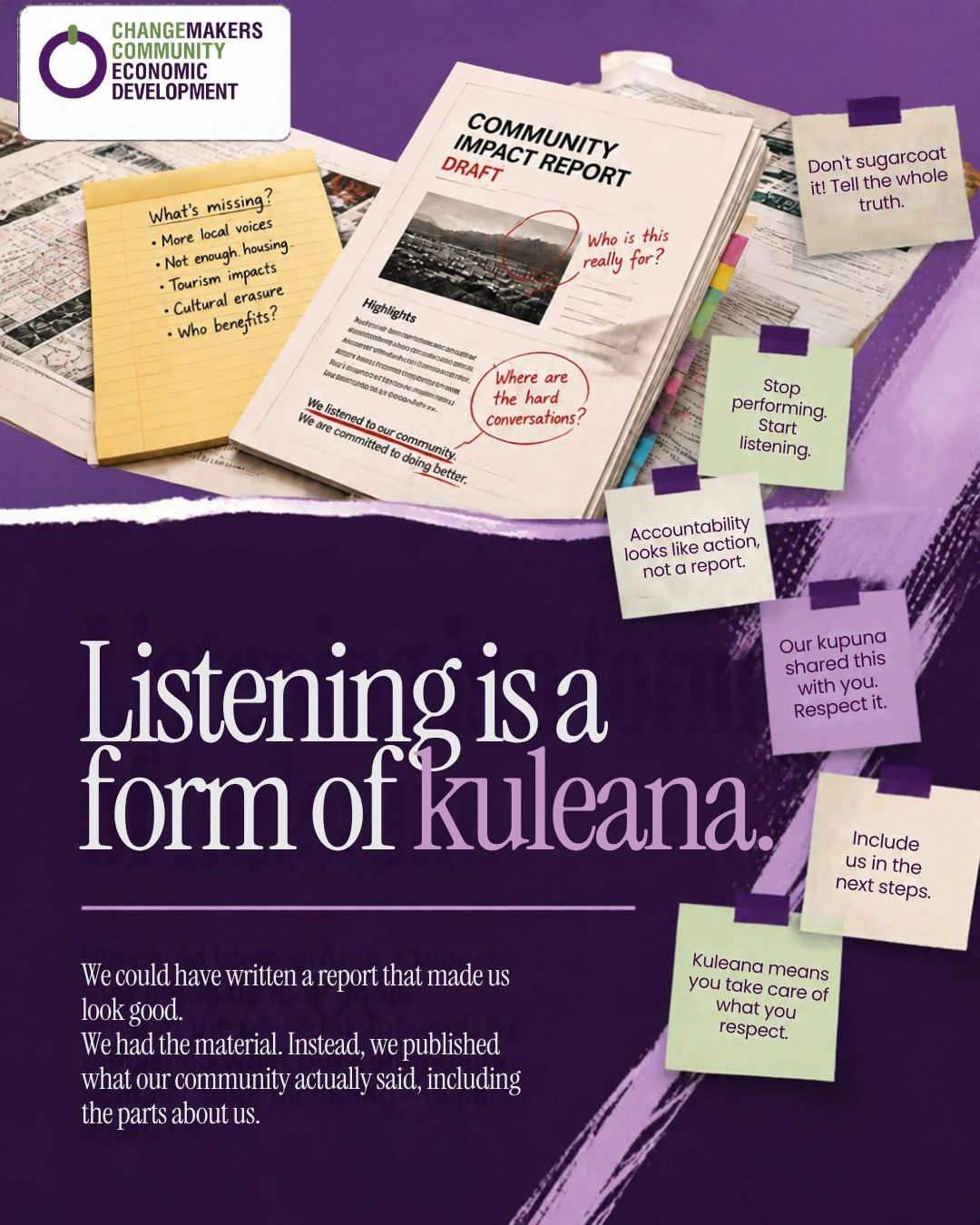
The problem is not that evaluation is unimportant; the problem is that it has been weaponized as a tool of compliance rather than a practice of care.
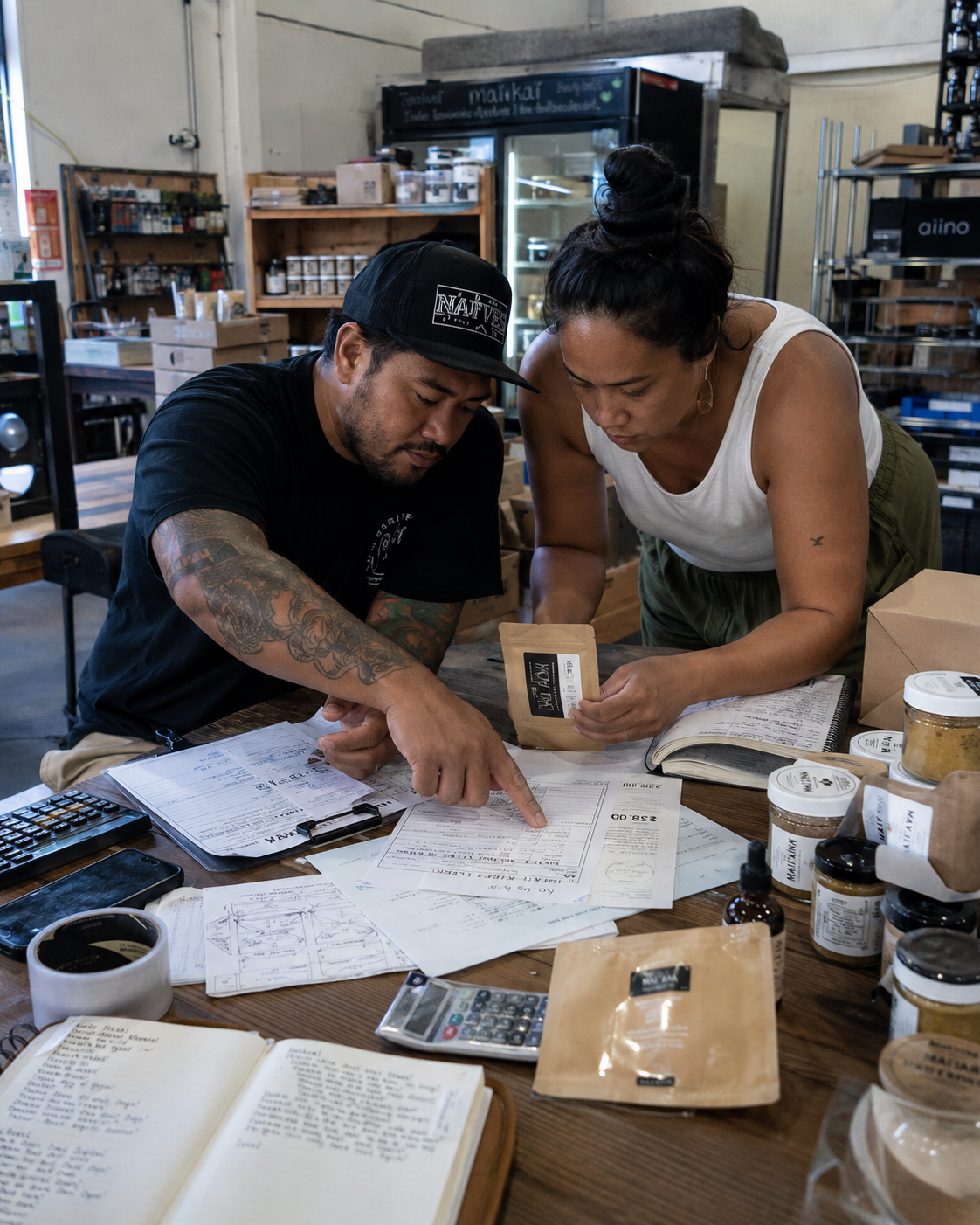
For too long, evaluation has been something introduced as a requirement we must fulfill for someone else. It feels disconnected from the aunties, the youth, the land, and the deep relational ties that sit at the heart of our work. When evaluation is reduced to a checkbox, it stops being a mirror of our impact and starts being a burden on our time.
The Tension: Extraction vs. Reciprocity
Historically, evaluation, whether in Native American, Alaska Native, or Native Hawaiian communities, has been extractive. A funder or a researcher enters a community, takes data, and leaves. They "discover" deficits and report them back to systems that were never built for our thriving.
We are shifting the narrative from data extraction to data stewardship.
In the Indigenous Evaluation & Data Sovereignty Series featuring Dr. Sofia Locklear (Lumbee), we explore a different path. We move from asking, "What does the funder want?" to "What matters here?"
Native Hawaiian, Native American, and Alaska Native communities have always had sophisticated ways of assessing whether our work is successful. Long before grant reporting existed, we measured impact through story, through the health of the watershed, through the strength of the pilina (relationships) between generations, and through the collective wellbeing of the ʻohana.
How do we reclaim these ancestral metrics in a modern nonprofit world?
Evaluation as a Form of Accountability
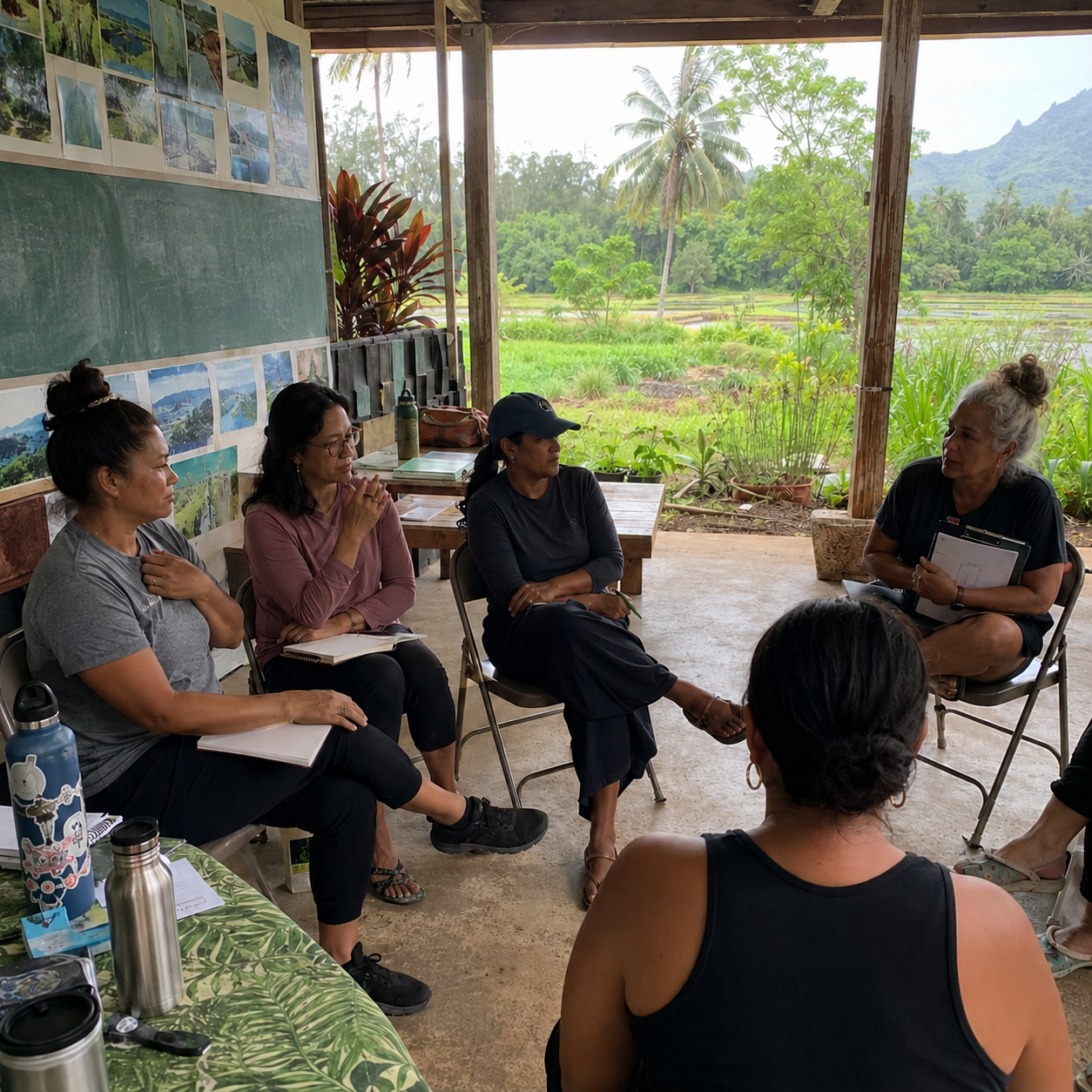
If we view evaluation only as a hurdle to clear for funding, we miss its true power. When reframed through an Indigenous lens, evaluation becomes a practice of accountability: not just to a donor, but to our communities.
This includes accountability to:
The People and Land: Are we truly serving the community's self-defined needs?
The Values: Is our process as sacred as our outcome?
The Kuleana (Responsibility): Are we fulfilling the promises we made to those who trust us?
The Growth: What is the data teaching us about how to be better relatives?
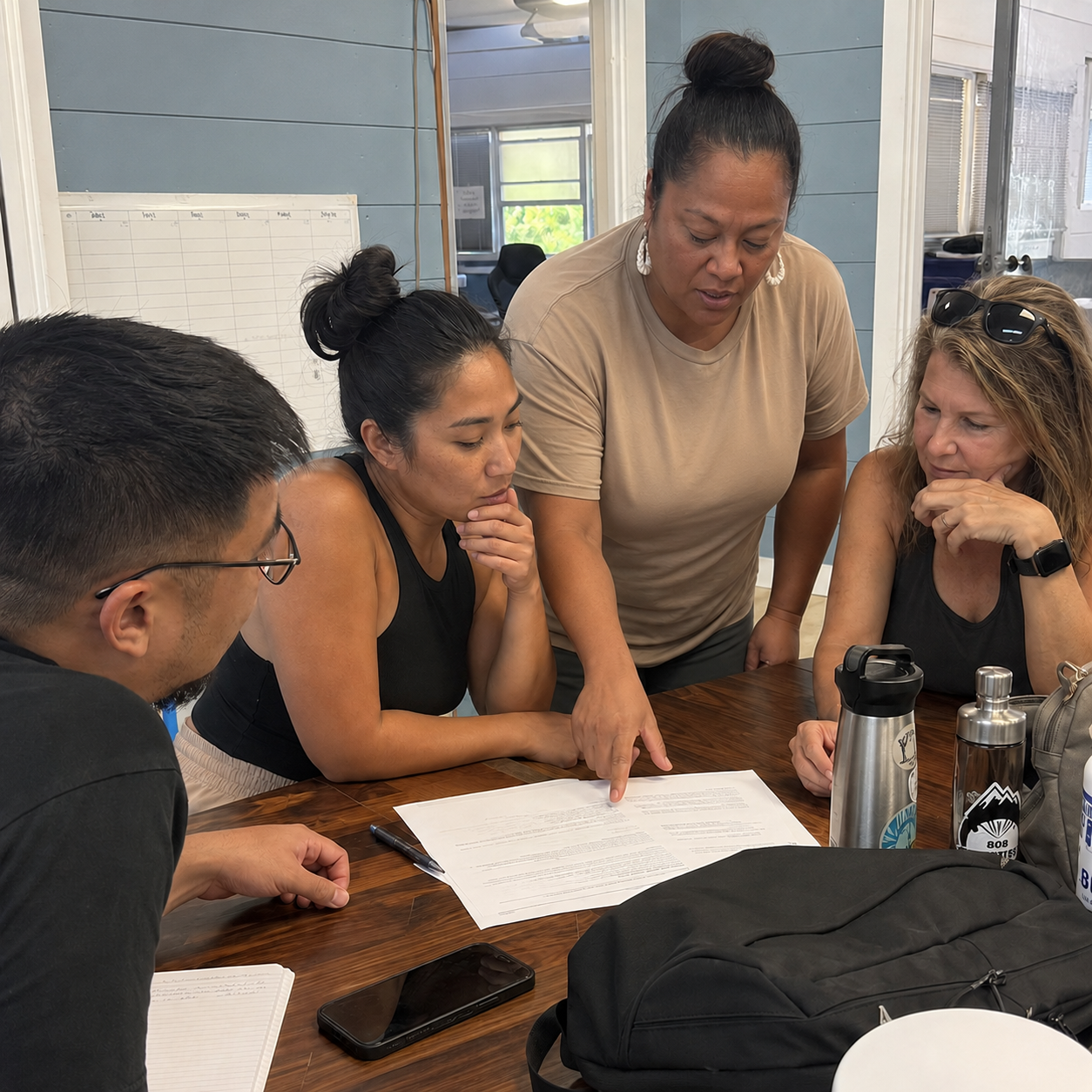
When evaluation begins with community priorities, it becomes a way to ask better questions and notice the subtle, meaningful changes that a spreadsheet might miss. It becomes an act of witnessing.
Reclaiming Indigenous Data Sovereignty
At the core of this shift is the principle of Indigenous Data Sovereignty. This is the inherent right of Indigenous peoples to govern the collection, ownership, and application of data about our own people and lands.
As Dr. Sofia Locklear teaches, data is more than just numbers in a database. Data is our stories, our art, our genealogies, and our dreams. To control our data is to control our narrative.
Changemakers Hawaiʻi and the Philanthropono Network are leading the way by building evaluation frameworks that serve the community first. They recognize that if we don't define what success looks like, someone else will define it for us: usually through a lens of lack rather than a lens of abundance.
Are we counting people, or are we making people count?
The Sacred Work of Translation
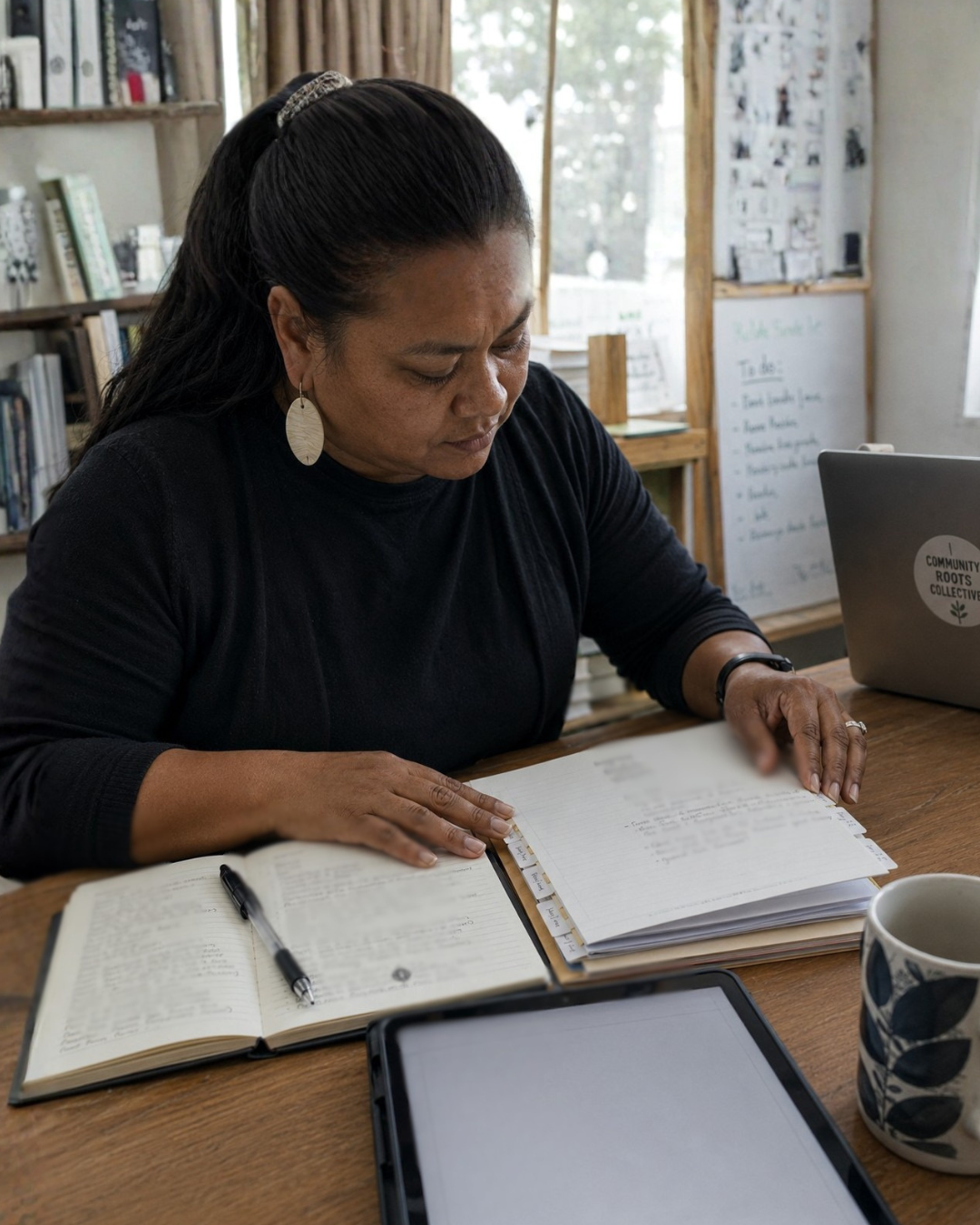
We often hear from leaders who feel caught in a "double bind." They hold deep, sacred knowledge about their programs: they know when a young person finally feels a sense of belonging or when a family heals a rift: but they don't know how to "prove" it to a funder.
This is where the Translation Work happens.
We must become bilingual, speaking the language of our community's soul while translating those outcomes into the metrics that funders understand. A program that fosters cultural connection might be translated for a funder as:
Participant Reflections: Qualitative evidence of identity formation.
Increased Belonging: A measurable indicator of mental health and resilience.
Community Involvement: A metric of social capital and civic engagement.
The goal isn't to ignore funder expectations. It is to build a bridge. We take a goal that is deeply meaningful to our community and express it in a way that is clear, trackable, and useful for reporting: without losing the "mana" of the work in the process.
Moving Beyond the Logic Model
Traditional logic models are often rigid and linear. They assume that if you do "A," then "B" will happen, leading to "C." But community change is rarely linear. It is layered, relational, and circular.
Our impact is bigger than a report.
In our work with Changemakers Hawaiʻi, we encourage organizations to move toward more visual and accessible ways of describing their goals. Whether it's through the phases of the moon, the growth of a forest, or the weaving of a mat, our frameworks should reflect the way we actually experience change.
Evaluation should not be a "gotcha" moment at the end of a grant cycle. It should be a continuous cycle of learning and stewardship.
Join the Movement: Indigenous Evaluation 101
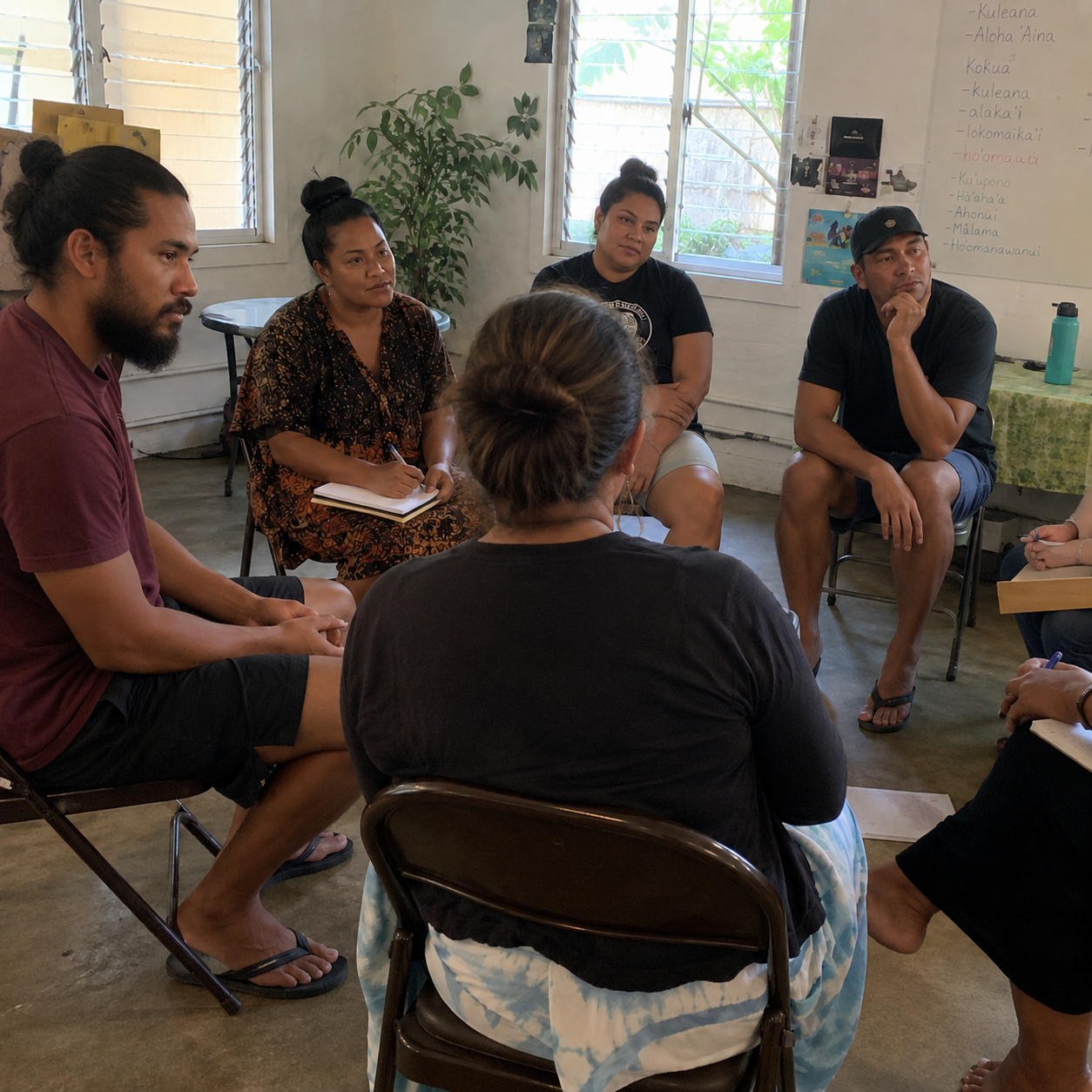
We don't need another system that creates more work for the sake of work. We need tools that help us understand our impact, strengthen our programs, and honor our kuleana.
We invite you to step away from the "checkbox" mindset and enter into a practice of learning. Join us for the Indigenous Evaluation & Data Sovereignty Series with Dr. Sofia Locklear.
This series is designed specifically for nonprofit leaders, tribal administrators, and community organizers who are ready to reclaim their data. Through two prerecorded deep-dives and two live, interactive workshops, you will learn how to:
Strengthen your evaluation practices using culturally grounded frameworks.
Protect your community’s data through sovereignty-based protocols.
Communicate your impact with clarity and integrity.
The question is no longer, "Did we meet the funder's requirement?" The question is, "Did we do what we said we would do: and did it matter to our people?"
Let's build an evaluation approach that serves our ancestors, our children, and the lands we steward.
This isn't just administration; it's an act of sovereignty.
DISCOVER MORE