
Who Has the Right to Tell Our Story?
PAST PODS

Data Sovereignty and Empowered Fundraising
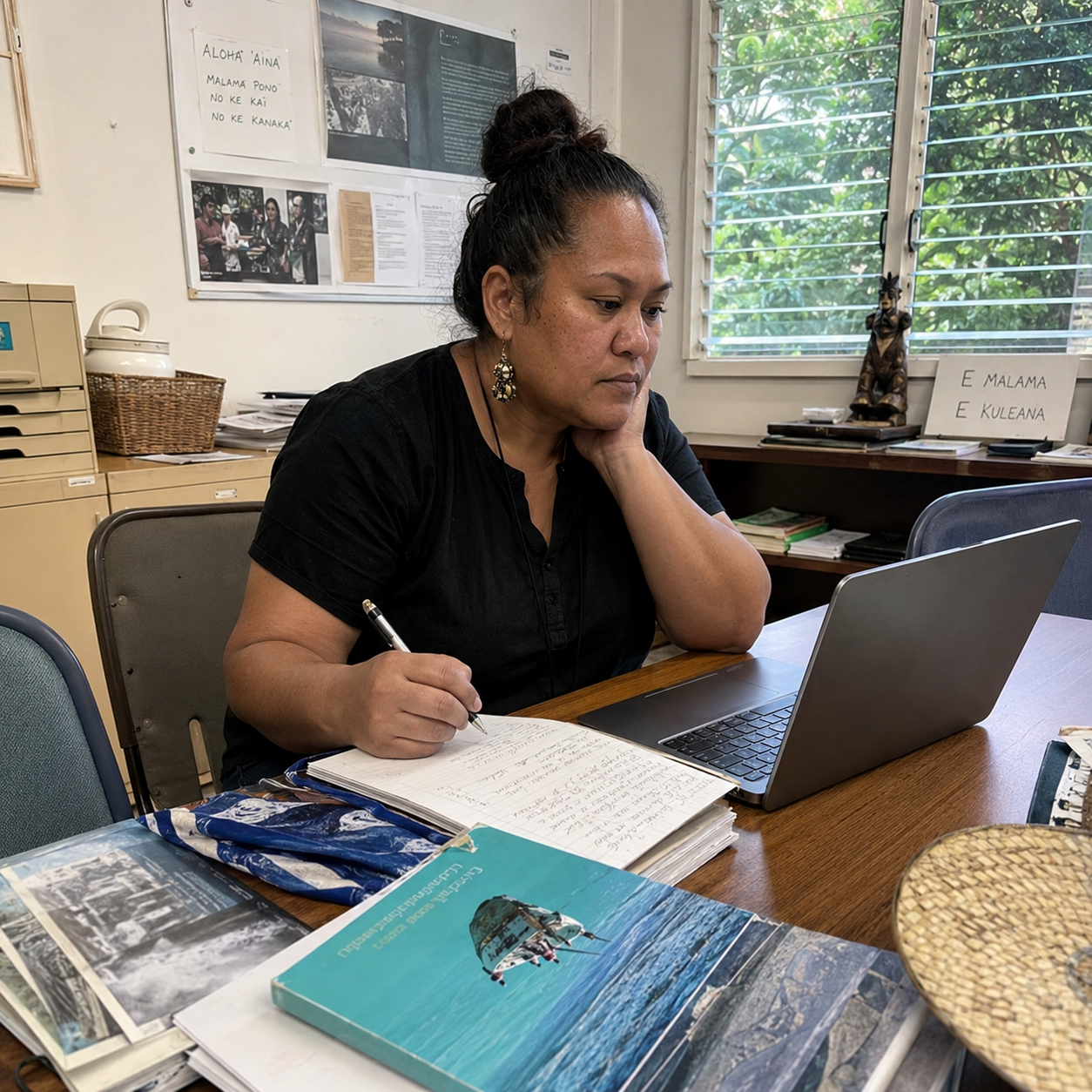
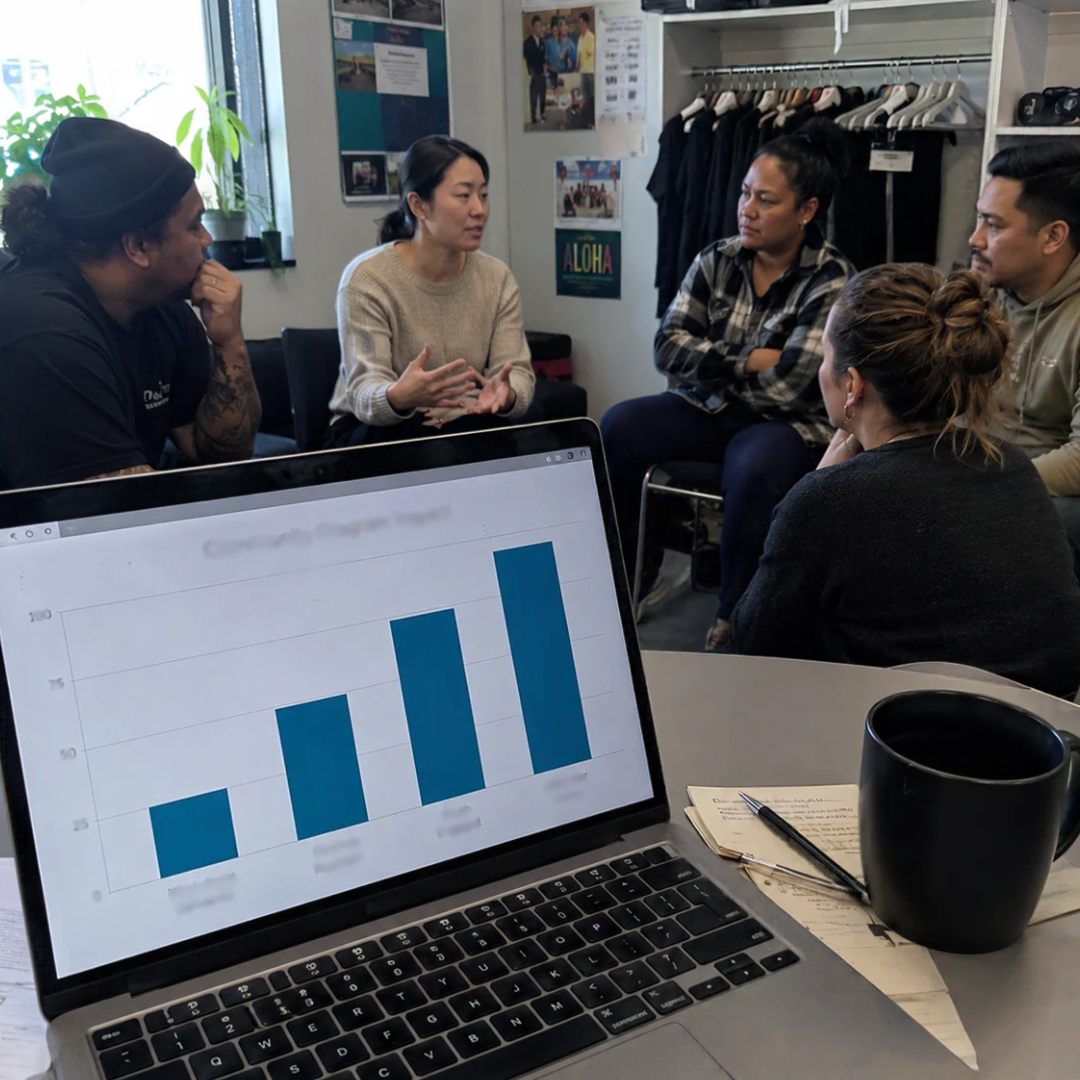
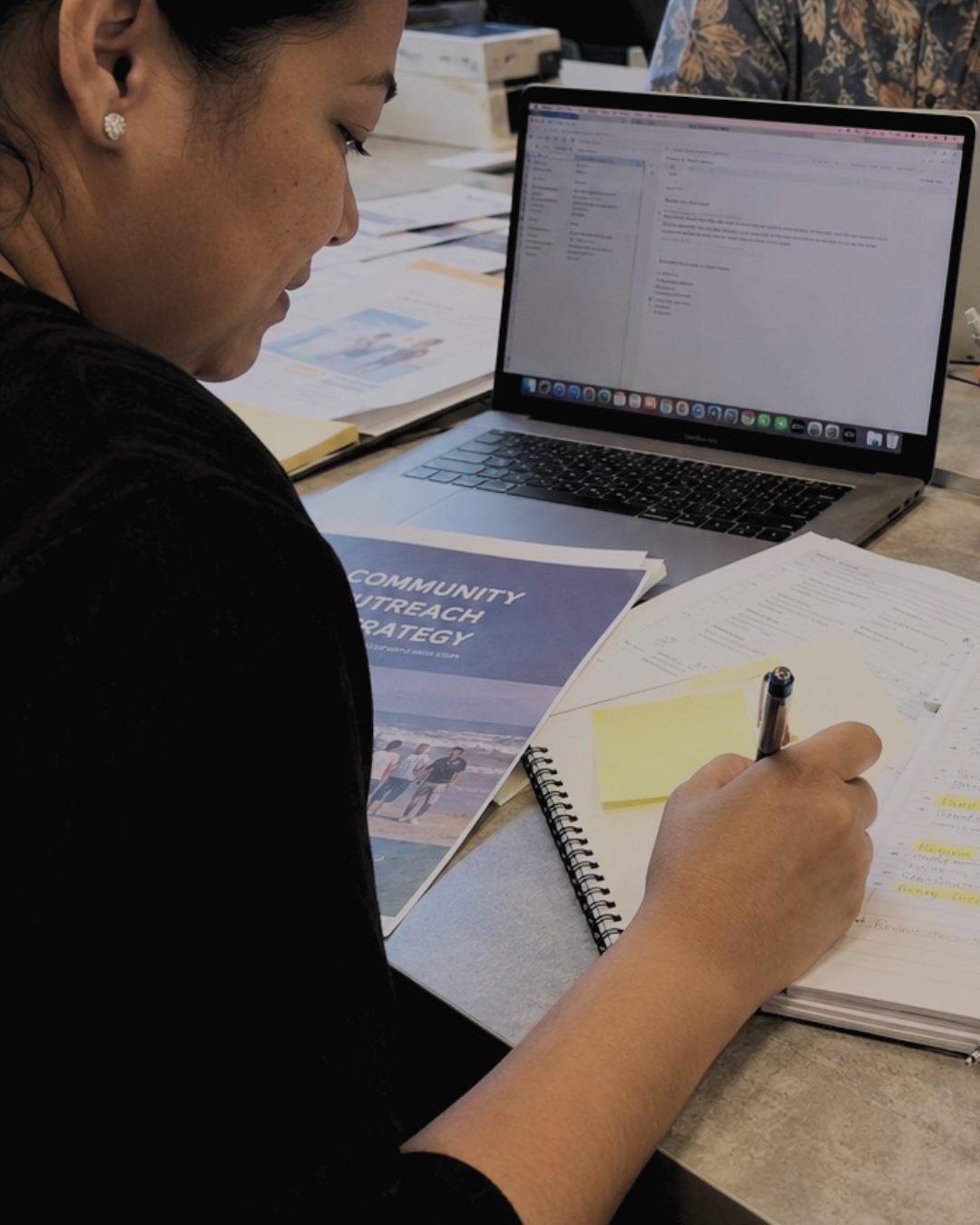
In the soft, humid light of a Kona morning, the air often carries the scent of damp earth and the promise of a long day’s work. Inside the walls of a community hub, the hum of a laptop fan competes with the distant sound of wind through the ironwoods.
Here, a local leader sits, fingers hovering over a keyboard, tasked with a familiar but heavy burden: translating the vibrant, complex life of a community into the sterile, black-and-white metrics of a grant report. This is the "quiet fire" that drives the social sector in Hawaiʻi: a heart full of purpose attempting to bridge the gap between ancestral wisdom and modern bureaucracy. We see this journey every day through our Philanthropono program, where nonprofit leaders weave their people into a story of resilience and growth.
But for too long, the tools used to measure this progress have felt like a foreign language, one that often extracts more than it empowers.
From Extraction to Stewardship: Reclaiming the Narrative
“We are not a collection of problems to be solved; we are a legacy of solutions waiting to be resourced.”
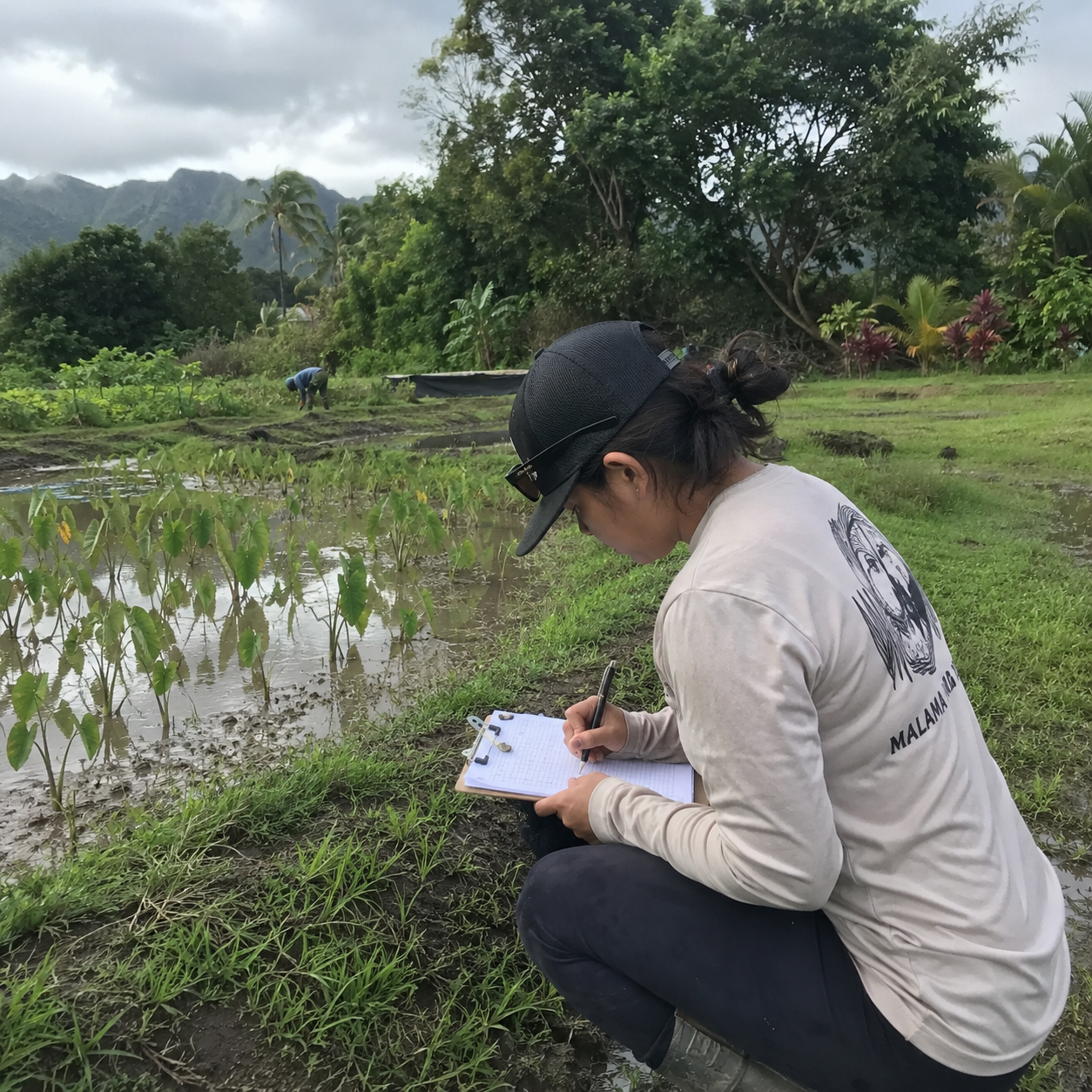
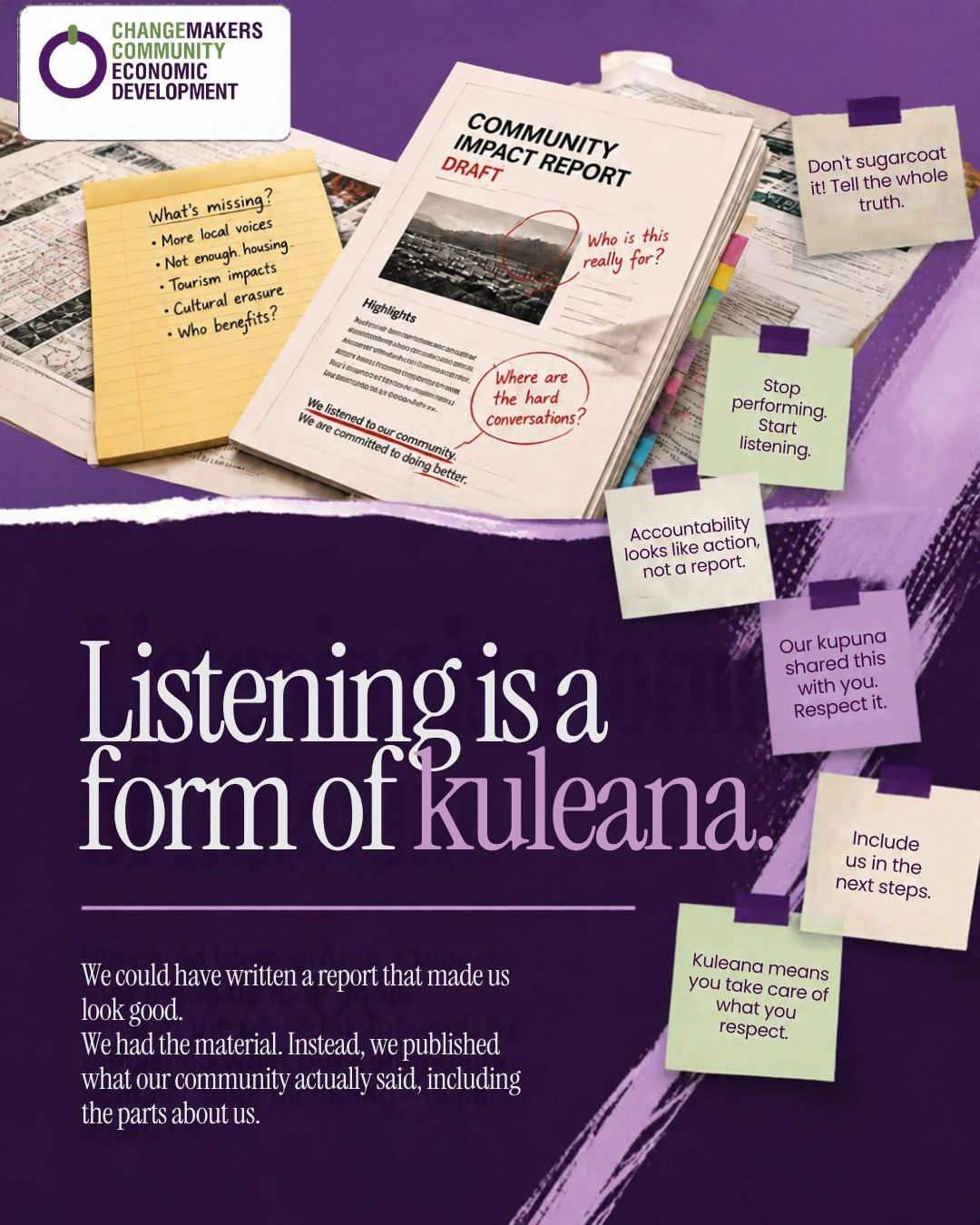
For decades, the traditional model of fundraising has operated on a principle of data extraction. Like a mineral being pulled from the earth, information about Indigenous and underserved communities has often been harvested by external entities, processed in distant offices, and used to justify funding that addresses "deficits" rather than strengths. This is the old chapter of our story: one where our data was something that happened to us, not something that belonged to us.
Indigenous Data Sovereignty (IDS) marks the beginning of a new chapter. It is the bold declaration that Indigenous Peoples have the right to govern the collection, ownership, and application of data about their own lives, lands, and resources. In the realm of fundraising, this shifts the professional endeavor from mere reporting to a sacred act of data stewardship. When we ground our fundraising in IDS, we move away from the cold, extractive nature of traditional philanthropy and toward a model where our information is a gift we manage with deep reverence and humility. Through our work in the Indigenous Fundraiser Network, we have watched as professionals stepped boldly into this role, ensuring that every data point honors the place and the people it represents.
The Power of Strength-Based Storytelling
“The story we tell about ourselves is the house we live in; it must be built with the sturdy timber of our own triumphs.”
When data is sovereign, the story changes. Traditional grant reporting often requires nonprofits to highlight what is "broken": the high rates of poverty, the lack of resources, the systemic failures. While these realities are part of the physical environment we navigate, they do not define the spirit of our work. Deficit-based reporting creates a narrative weight that can feel like a stone in the belly of a community, reinforcing a sense of inherent deficiency.
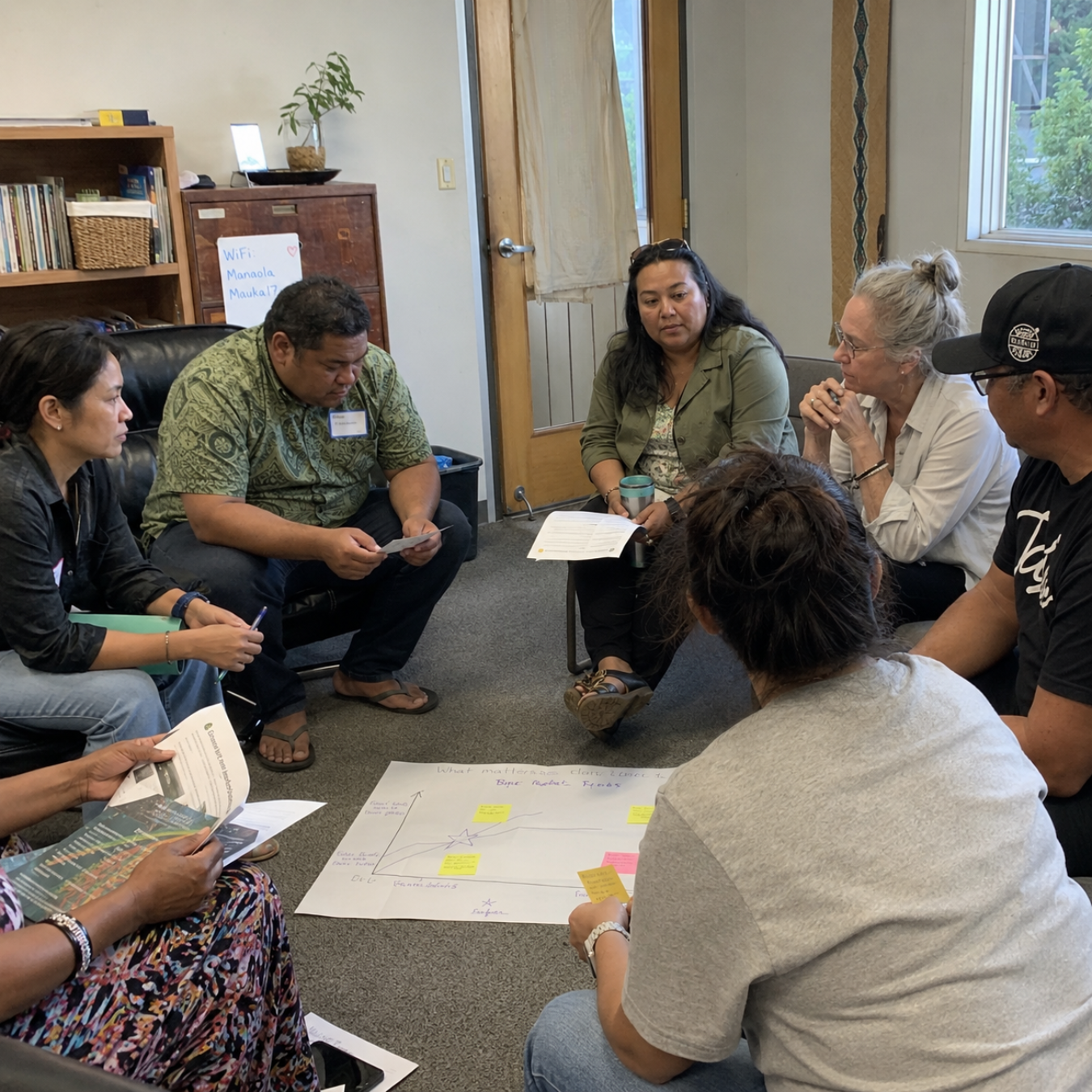
By embracing IDS, we bring forward a case for strength-based storytelling. This approach focuses on the "what is strong" rather than "what is wrong." It is about documenting the way an ʻĀinapreneur utilizes traditional ecological knowledge to build a resilient small business, or how a family finds financial clarity through Kanakanomics. This isn't about ignoring challenges; it's about pairing those challenges with the context of colonial history and the vibrant light of community-led solutions. It is a transition from a posture of "victim" to a posture of "agent." When we control the data, we ensure the narrative reflects the warmth, clarity, and advocacy inherent in our culture.
Practical Sovereignty: Agreements and Statements
“Boundaries are not walls of exclusion, but the foundations of mutual respect.”
Moving from philosophy to practice requires tangible tools. For many organizations, the journey toward data sovereignty begins with the physical environment of a contract. We are humbled by the courage of leaders who have begun to include data sovereignty clauses in their grant agreements. These clauses ensure that while a funder may receive a report, the community retains the intellectual property and the right to use that data for their own future generations.
Another vital step is the creation of a Data Sovereignty Statement. This document acts as a "calling," a public declaration of how an organization handles the stories and statistics entrusted to it. It outlines the commitment to free, prior, informed, and ongoing consent. It ensures that a photo used in a donor campaign isn't just an image, but a relationship maintained with gratitude and reciprocity. By grounding the audience in these clear ethical boundaries, we build a bridge of trust that traditional fundraising often lacks.
Living the 5Rs of Indigenous Philanthropy
“True wealth is not measured by what we hold, but by how we honor the relationships that sustain us.”
At ChangeMakers Hawaiʻi, our programs are rooted in a framework that transcends technical achievement. We look to the 5Rs of Indigenous Philanthropy as our guide: Respect, Relationships, Responsibility, Reciprocity, and Resilience.
Respect: Honoring the rights and knowledge systems of the community. In fundraising, this means following cultural protocols before a single story is shared.
Relationships: Shifting from transactions to connections. We don't just ask for an "impact story"; we walk alongside the subject of that story for the long haul.
Responsibility: Being accountable to the community first, and the donor second. It’s the weight of ensuring data is shared back in a way that is accessible and actionable for those who provided it.
Reciprocity: Ensuring that the benefit of fundraising flows both ways. The data gathered should serve the community’s own strategic goals, not just a donor’s year-end report.
Resilience: Using data to document the enduring strength of the land and its people, ensuring that our work today paves the way for those who will follow.
These values are not just words on a page; they are the physical sensations of a community coming together. They are the firm handshake of a partnership, the shared breath of a pule, and the collective sigh of relief when a project is funded on our own terms.
Building a Fortress of Trust
“When the community holds the key to its own story, the foundation of trust becomes unbreakable.”
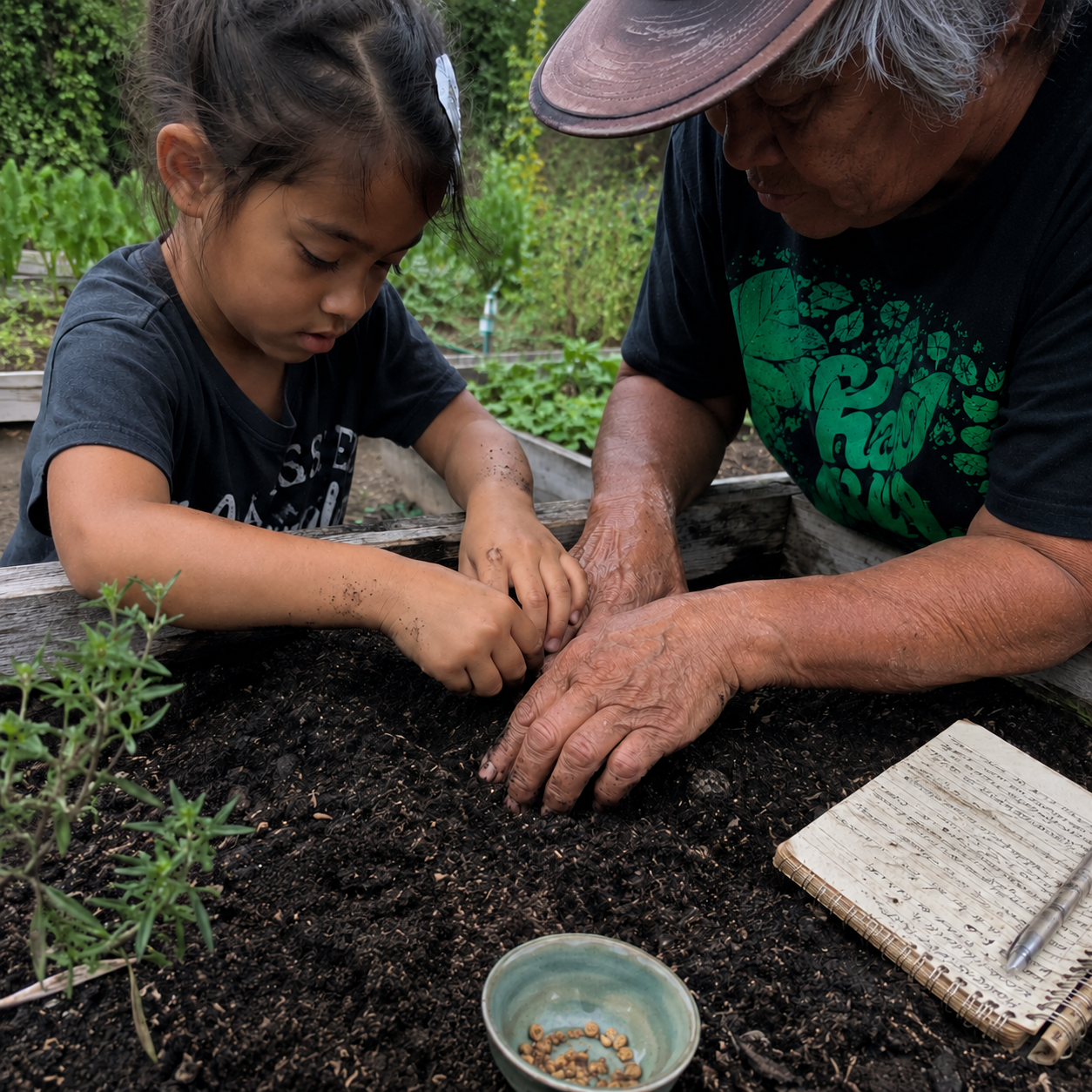
Ultimately, Data Sovereignty is about control: not for the sake of power, but for the sake of protection and purpose. It is about ensuring that the narrative of our people is never again used against us. When donors see an organization that treats its data with such deep reverence, it builds a level of trust that no flashy marketing campaign can replicate. They see a mission that is grounded in integrity and a long-range vision for stewardship.
As we look toward the future, we are reminded that our data is a reflection of our ʻāina and our ancestors. Every statistic is a footstep on a journey; every story is a seed planted for the next generation. By reclaiming our data, we are not just improving our fundraising; we are honoring our place in the world and ensuring that the transformation we create is truly our own.
We invite you to join us in this movement, to step boldly into this chapter of empowerment, and to help us write a story that belongs entirely to the people who live it.
DISCOVER MORE